Rascals case in brief
In the beginning, in 1989, more than 90 children at the Little Rascals Day Care Center in Edenton, North Carolina, accused a total of 20 adults with 429 instances of sexual abuse over a three-year period. It may have all begun with one parent’s complaint about punishment given her child.
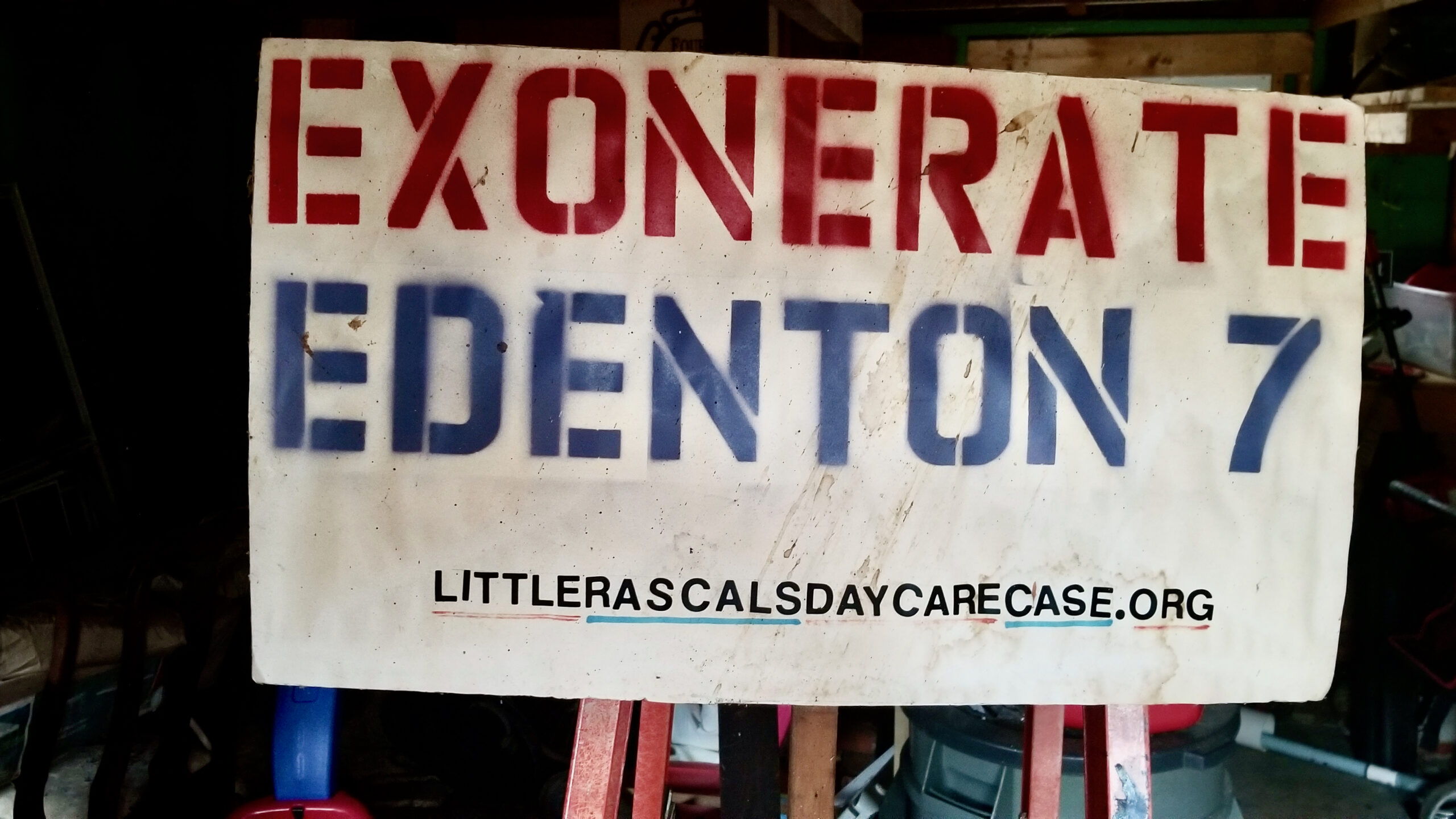
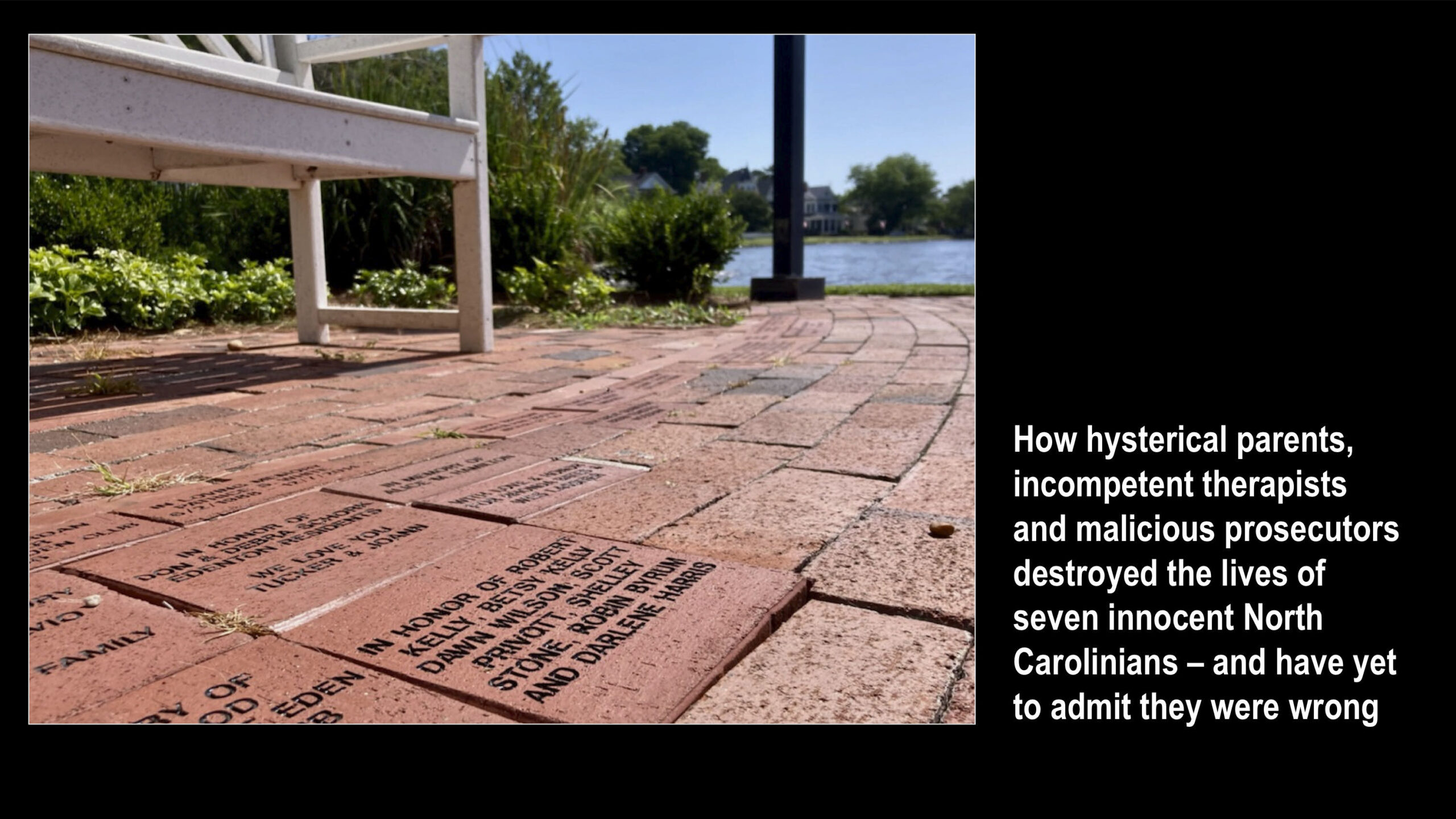
Among the alleged perpetrators: the sheriff and mayor. But prosecutors would charge only Robin Byrum, Darlene Harris, Elizabeth “Betsy” Kelly, Robert “Bob” Kelly, Willard Scott Privott, Shelley Stone and Dawn Wilson – the Edenton 7.
Along with sodomy and beatings, allegations included a baby killed with a handgun, a child being hung upside down from a tree and being set on fire and countless other fantastic incidents involving spaceships, hot air balloons, pirate ships and trained sharks.
By the time prosecutors dropped the last charges in 1997, Little Rascals had become North Carolina’s longest and most costly criminal trial. Prosecutors kept defendants jailed in hopes at least one would turn against their supposed co-conspirators. Remarkably, none did. Another shameful record: Five defendants had to wait longer to face their accusers in court than anyone else in North Carolina history.
Between 1991 and 1997, Ofra Bikel produced three extraordinary episodes on the Little Rascals case for the PBS series “Frontline.” Although “Innocence Lost” did not deter prosecutors, it exposed their tactics and fostered nationwide skepticism and dismay.
With each passing year, the absurdity of the Little Rascals charges has become more obvious. But no admission of error has ever come from prosecutors, police, interviewers or parents. This site is devoted to the issues raised by this case.
On Facebook


Little Rascals Day Care Case
This Facebook page is an offshoot of littlerascalsdaycarecase.org, which addresses the wrongful prosecution of the Edenton Seven and other such victims.

Meanwhile in Edenton....
This content isn't available right now
When this happens, it's usually because the owner only shared it with a small group of people, changed who can see it or it's been deleted.0 CommentsComment on Facebook
Allies for our cause!
This content isn't available right now
When this happens, it's usually because the owner only shared it with a small group of people, changed who can see it or it's been deleted.0 CommentsComment on Facebook
The courts have a long history of capriciously pulling the rug out from under Junior's appeals, but maybe this time....
This content isn't available right now
When this happens, it's usually because the owner only shared it with a small group of people, changed who can see it or it's been deleted.0 CommentsComment on Facebook
Click for earlier Facebook posts archived on this site
Click to go to

Today’s random selection from the Little Rascals Day Care archives….
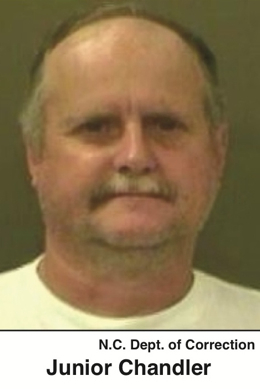
Governor’s Clemency Office: ‘Reviewed and denied’
 April 26, 2014
“Given the near certainty of Junior’s innocence (his first jury could not reach a verdict), given the fact that he has already served 26 years in prison with only a single infraction (committed in his third week in prison), given the fact that many others similarly situated have been freed by the courts, Junior is a worthy candidate for a commutation of sentence.”
– Letter from Mark Montgomery, Andrew Junior Chandler’s appellate attorney, to Gov. Bev Perdue (Dec. 7, 2012)
“This letter is to inform you that your request for a commutation of sentence on behalf of Mr. Chandler has been reviewed and denied.
“If he would like to reapply, he may do so three years from the date of this letter.”
– Letter to Montgomery from Pat Hansen, Governor’s Clemency Office (March 25, 2014
So ends the latest of Andrew Junior Chandler’s repeated attempts to find a path out of Avery-Mitchell Correctional Institution, where he has spent the past 27 years for a crime neither he nor anyone else committed. He may in fact be the last still-imprisoned victim of the “satanic ritual abuse” day care panic.
“I don’t know what they have against me,” Junior told me by phone this week. I don’t know either – I don’t even know who “they” are. But I can’t imagine that those prosecutors who so persuasively argued that “Junior would drive off his route to a park by a river, strip the children of their clothes, troop them down to the river, put them in a rowboat, commit various sexual acts, put them back on the bus and take them home” are eager to see the case dusted off and reexamined.
Anxieties about children still make us crazy
Aug. 16, 2013
“Ritual abuse may now seem an almost quaint aberration, a temporary fad that seized the popular imagination, as outdated as hula-hoops or disco fever. But our anxieties about children continue to affect our judgment. When a meta-analysis of research published in Psychological Bulletin (1998) suggested that not all children under the age of 18 were traumatized by having sexual experiences before adulthood, the U.S. House of Representatives passed a resolution condemning the association. Not surprisingly, the popular outcry that led to the Congressional resolution was sparked by talk show celebrity Laura Schlessinger.
“More recently, a book that explored whether overzealous response to fears about children and sexuality are harmful to the youth we seek to protect was published by the University of Minnesota press after trade publishers deemed it too controversial for their lists; Tim Pawlenty, then a state legislator, but who was elected governor of Minnesota in 2002, quickly moved to condemn the publication and the University for publishing it.”
– From “The Devil in the Details: Media Representation of ‘Ritual Abuse’ and Evaluation of Sources” by Barbara Fister in Studies in Media & Information Literacy Education (May 2003)
Kids say the darndest things… eventually
 April 24, 2015
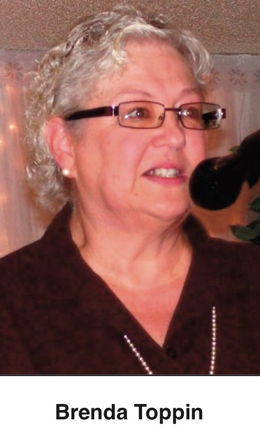
“As was made clear repeatedly upon testimony by experts, the very first reports of the children were the ones that would be most critical in determining whether sexual abuse had indeed occurred. Yet in the first interviews, the children said almost nothing of any interest with regard to sexual abuse, and the police officer who conducted these hearings destroyed all of her notes and all of her tapes of what happened before the case went to court. She was approached by several of the mothers initially because she had taken a short course in investigating cases of child abuse.
“Officer (Brenda) Toppin was crucial to the whole process because she was the one who escalated the case from a minor complaint by one parent into a case of massive sexual abuse of dozens of children by scores of day-care workers.”
– From “Understanding The Crucible: A Student Casebook to Issues, Sources, and Historical Documents” by Claudia Durst Johnson and Vernon Johnson (1998)
Emissaries from Raleigh bring kneejerk resistance to exoneration
Sept. 11, 2016
“I honestly don’t understand not only how the Attorney General’s Office felt it was necessary to fight us through a full week of hearing in this case, but how they could stand up at the end of that hearing and say they thought Johnny should stay in prison.
“That is not a minister of justice. A minister of justice should be objective enough to evaluate the evidence in a fair way and there was no way anybody could look at the evidence that came out in that hearing and say Johnny Small should be in prison.”
– Chris Mumma of the N.C. Center on Actual Innocence, quoted in “Johnny Small free after murder charge dismissed” in the Wilmington Star-News (Sept. 8)
I would’ve expected, before my apprenticeship on the exoneration watch, that district attorneys would be less willing to having their fingers pried loose from wrongful convictions than their allies in the attorney general’s office. It’s the DAs, after all, who have to ‘splain their misfeasance to the voting public.
But this often seems not to be the case, as exemplified by Assistant AG Jess Mekeel’s misplaced concern for “the stability and reliability of our justice system.”
How much of this institutional resistance to exoneration owes to a tradition of prosecutorial blood-brotherhood? And how much springs directly (if not via email) from Attorney General Roy Cooper?
If Cooper took heed of Mumma’s thoughtful plea for “more cooperation between prosecutors and defense attorneys in their efforts to achieve justice,” evidence of it has yet to surface.
