Rascals case in brief
In the beginning, in 1989, more than 90 children at the Little Rascals Day Care Center in Edenton, North Carolina, accused a total of 20 adults with 429 instances of sexual abuse over a three-year period. It may have all begun with one parent’s complaint about punishment given her child.
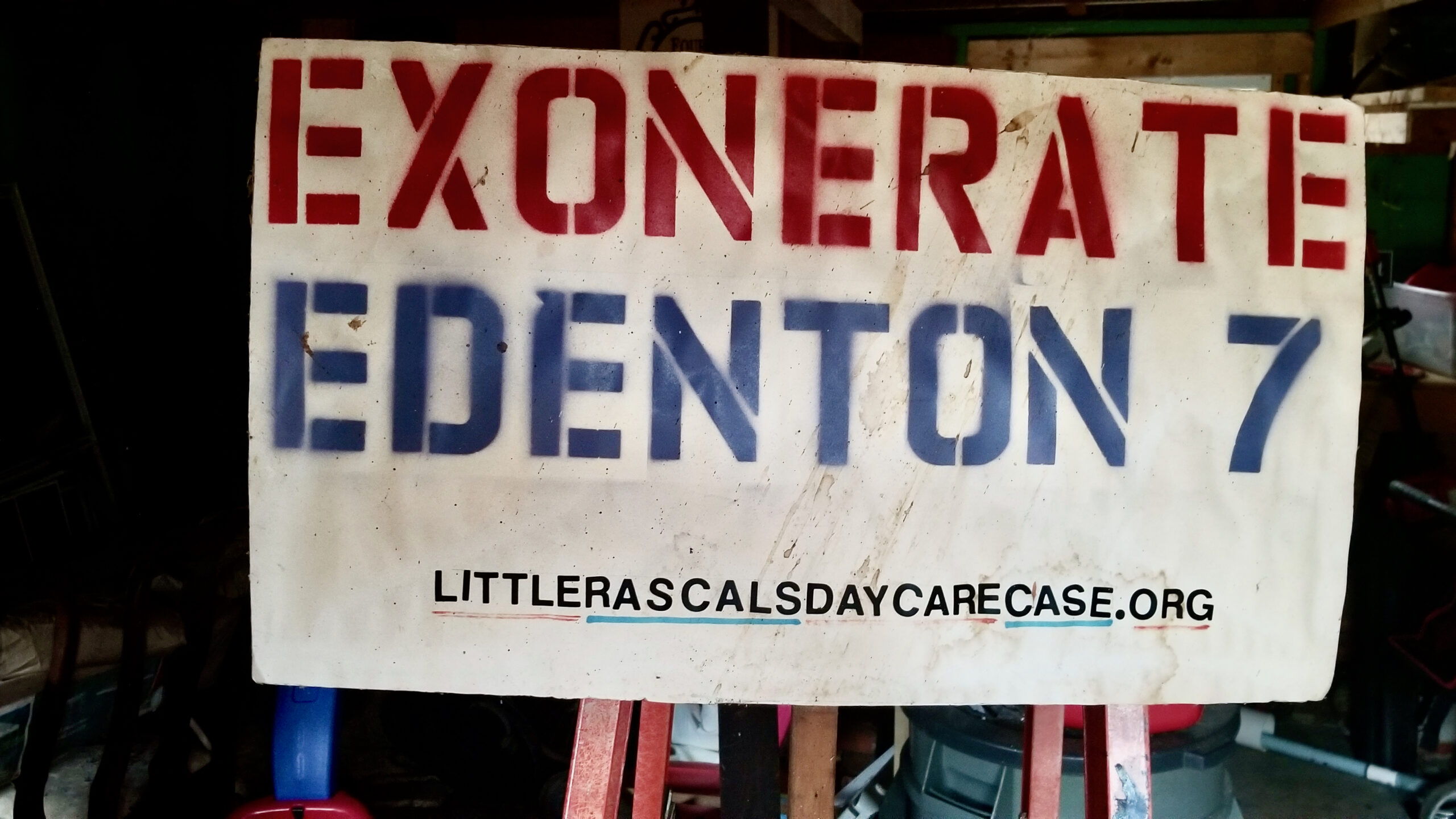
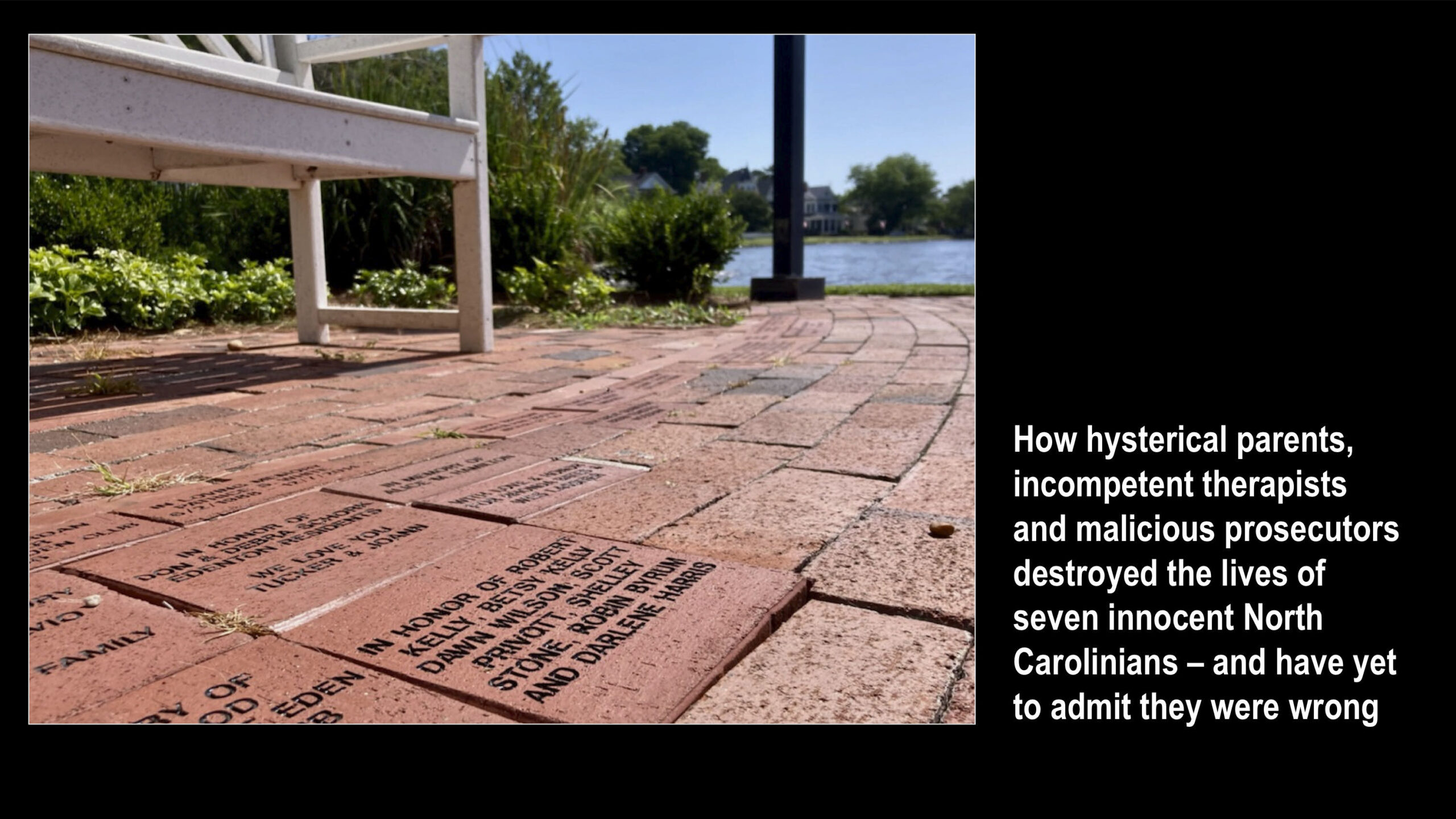
Among the alleged perpetrators: the sheriff and mayor. But prosecutors would charge only Robin Byrum, Darlene Harris, Elizabeth “Betsy” Kelly, Robert “Bob” Kelly, Willard Scott Privott, Shelley Stone and Dawn Wilson – the Edenton 7.
Along with sodomy and beatings, allegations included a baby killed with a handgun, a child being hung upside down from a tree and being set on fire and countless other fantastic incidents involving spaceships, hot air balloons, pirate ships and trained sharks.
By the time prosecutors dropped the last charges in 1997, Little Rascals had become North Carolina’s longest and most costly criminal trial. Prosecutors kept defendants jailed in hopes at least one would turn against their supposed co-conspirators. Remarkably, none did. Another shameful record: Five defendants had to wait longer to face their accusers in court than anyone else in North Carolina history.
Between 1991 and 1997, Ofra Bikel produced three extraordinary episodes on the Little Rascals case for the PBS series “Frontline.” Although “Innocence Lost” did not deter prosecutors, it exposed their tactics and fostered nationwide skepticism and dismay.
With each passing year, the absurdity of the Little Rascals charges has become more obvious. But no admission of error has ever come from prosecutors, police, interviewers or parents. This site is devoted to the issues raised by this case.
On Facebook


Little Rascals Day Care Case
This Facebook page is an offshoot of littlerascalsdaycarecase.org, which addresses the wrongful prosecution of the Edenton Seven and other such victims.

Meanwhile in Edenton....
This content isn't available right now
When this happens, it's usually because the owner only shared it with a small group of people, changed who can see it or it's been deleted.0 CommentsComment on Facebook
Allies for our cause!
This content isn't available right now
When this happens, it's usually because the owner only shared it with a small group of people, changed who can see it or it's been deleted.0 CommentsComment on Facebook
The courts have a long history of capriciously pulling the rug out from under Junior's appeals, but maybe this time....
This content isn't available right now
When this happens, it's usually because the owner only shared it with a small group of people, changed who can see it or it's been deleted.0 CommentsComment on Facebook
Click for earlier Facebook posts archived on this site
Click to go to

Today’s random selection from the Little Rascals Day Care archives….
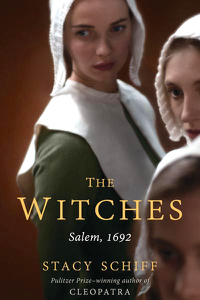
Were tales any taller in Salem than in Edenton?
 Dec, 4, 2016
“The testimony [in the Salem witch trials] is full of tall tales, unless you happen to believe – as one woman confessed, having vowed to tell the truth, the whole truth, and nothing but the truth – that she flew on a stick with her church deacon and two others to a satanic baptism, and that she had, the previous Monday, carried her minister’s specter through the air along with her, having earlier conferred in her orchard with a satanic cat….”
– From “The Witches: Salem, 1692” by Stacy Schiff (2015)

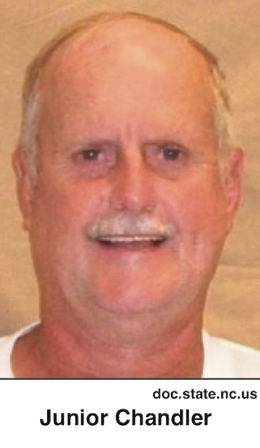
Chandler’s sentence designed to lock him up forever
 Nov. 8, 2015
“The latest obstacle to Gerald Amirault’s freedom came without fanfare. A three-member panel of the Massachusetts Department of Corrections has now decided that, since the prisoner has refused participation in treatment programs for sex offenders, he was considered to be ‘in denial.’ Permission for him to appear before the Board that could grant early parole would therefore be denied.”
– From “How to Extort a Confession” in the Wall Street Journal (April 22, 2002)
Steadfast in his supposed “denial,” Amirault wouldn’t be paroled until 2004 – 18 years into his 40-year sentence.
Compared with Junior Chandler, however, he was lucky. Chandler’s two consecutive life sentences have made him ineligible for parole. For a brief moment during his long and maddening appeals process, in 2008, it seemed those life sentences would be made concurrent – thus qualifying him for parole consideration. But a switch in judges, orchestrated by the attorney general’s office, vaporized that prospect.
A footnote: The North Carolina Department of Correction has its own Sexual Offender Accountability and Responsibility program. “Through psycho-educational modules, behavior techniques and empathy training,” its website says, “S.O.A.R. participants learn that sexually abusive behavior is both controllable and manageable.”
Junior Chandler recalls having been invited to participate, but …. “They said I had to admit I was guilty. I told them I couldn’t do that, because I hadn’t done anything…. What would you do?”
Imagining my part of a chat with H.P. Williams Jr.
Dec. 9, 2011
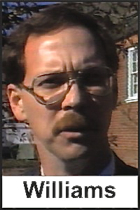 Had former district attorney H.P. Williams Jr. let our conversation drag on beyond 30 seconds on Wednesday, here are some questions I might have asked:
– In all the day care cases of the ʼ80s and early ʼ90s – Little Rascals, McMartin, Fells Acres, Wee Care, ad nauseam – why was not one instance of sexual abuse ever witnessed by an adult?
– Why was not one piece of physical or medical evidence ever presented?
– Would you still argue at Bob Kellyʼs sentencing hearing that “There is no reason he should be restored to the community at any time”?
– Have you been surprised that, since being freed, not one of the defendants has returned to a life of serial child sexual abuse?
– What would it take for you to admit the Edenton Seven were innocent?
● ● ●
If H.P. Williams Jr. – or any other reader – would like to respond, he is always welcome to do so here.
Does ‘convicting innocent people count as crime’?
Jan. 6, 2012
“Innocence Lost” aired too late to save the Edenton Seven, but its influence in deflating the nation’s ritual-abuse bubble is hard to exaggerate. Shock and outrage – and considerable ridicule of North Carolina justice – followed each of the three episodes.
Walter Goodman’s 1993 New York Times review pointed to “the likelihood that no crime was committed, unless convicting innocent people counts as a crime.”
“To say this tragic farce has resembled a hysterical witch hunt,” Phil Kloer wrote in the Atlanta Journal and Constitution in 1997, “is to demean witch hunts.”