Rascals case in brief
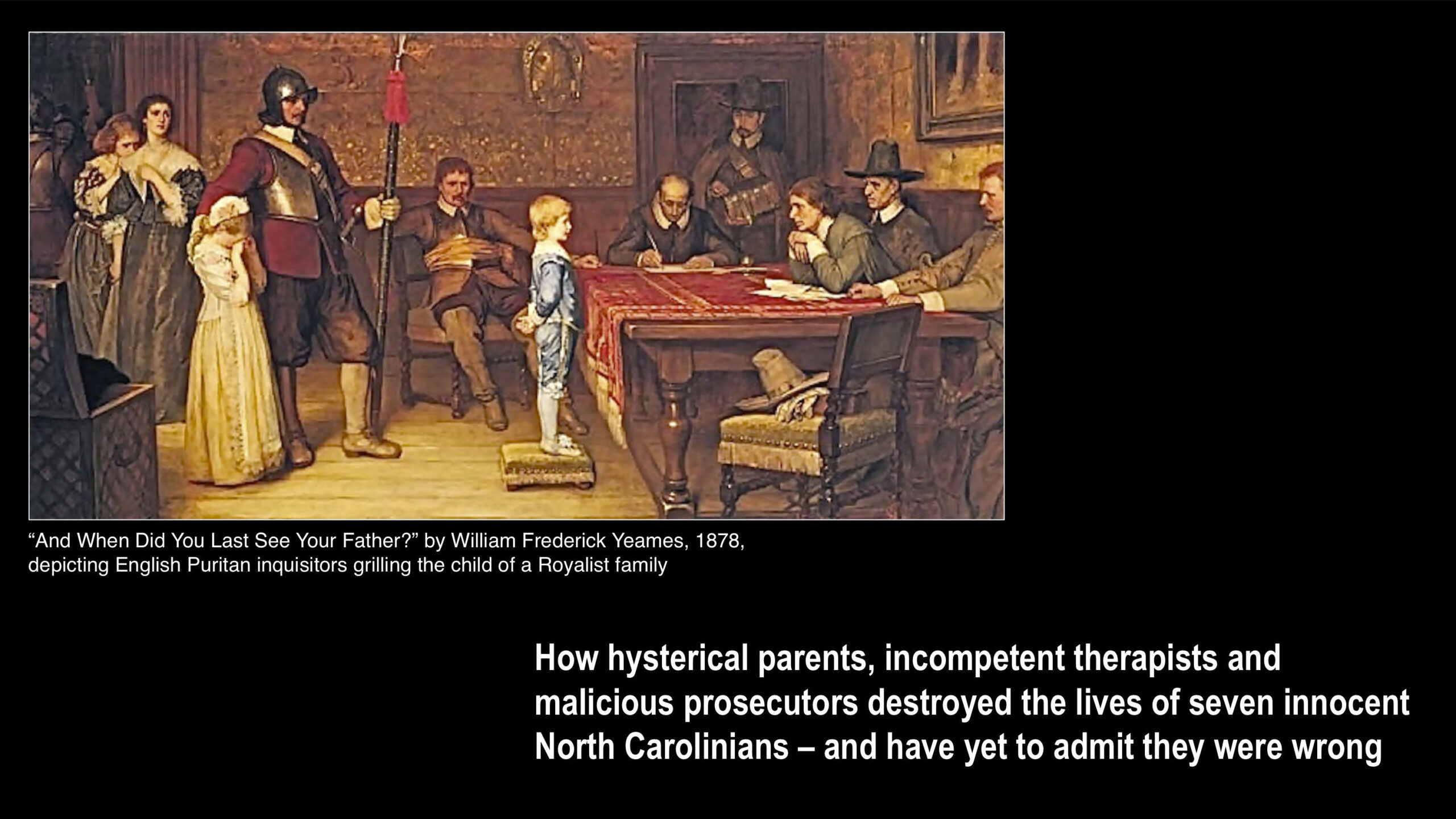
In the beginning, in 1989, more than 90 children at the Little Rascals Day Care Center in Edenton, North Carolina, accused a total of 20 adults with 429 instances of sexual abuse over a three-year period. It may have all begun with one parent’s complaint about punishment given her child.
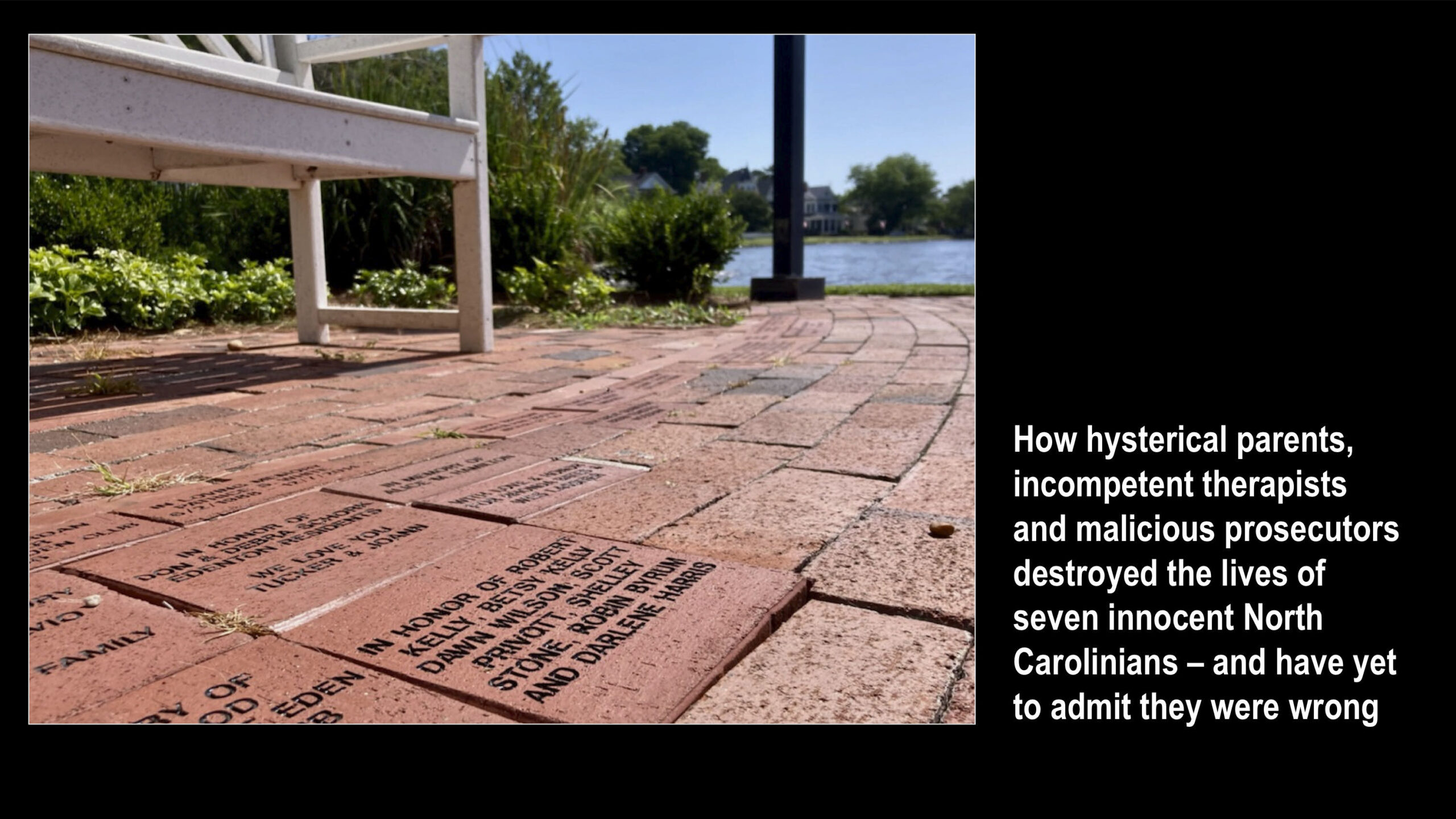
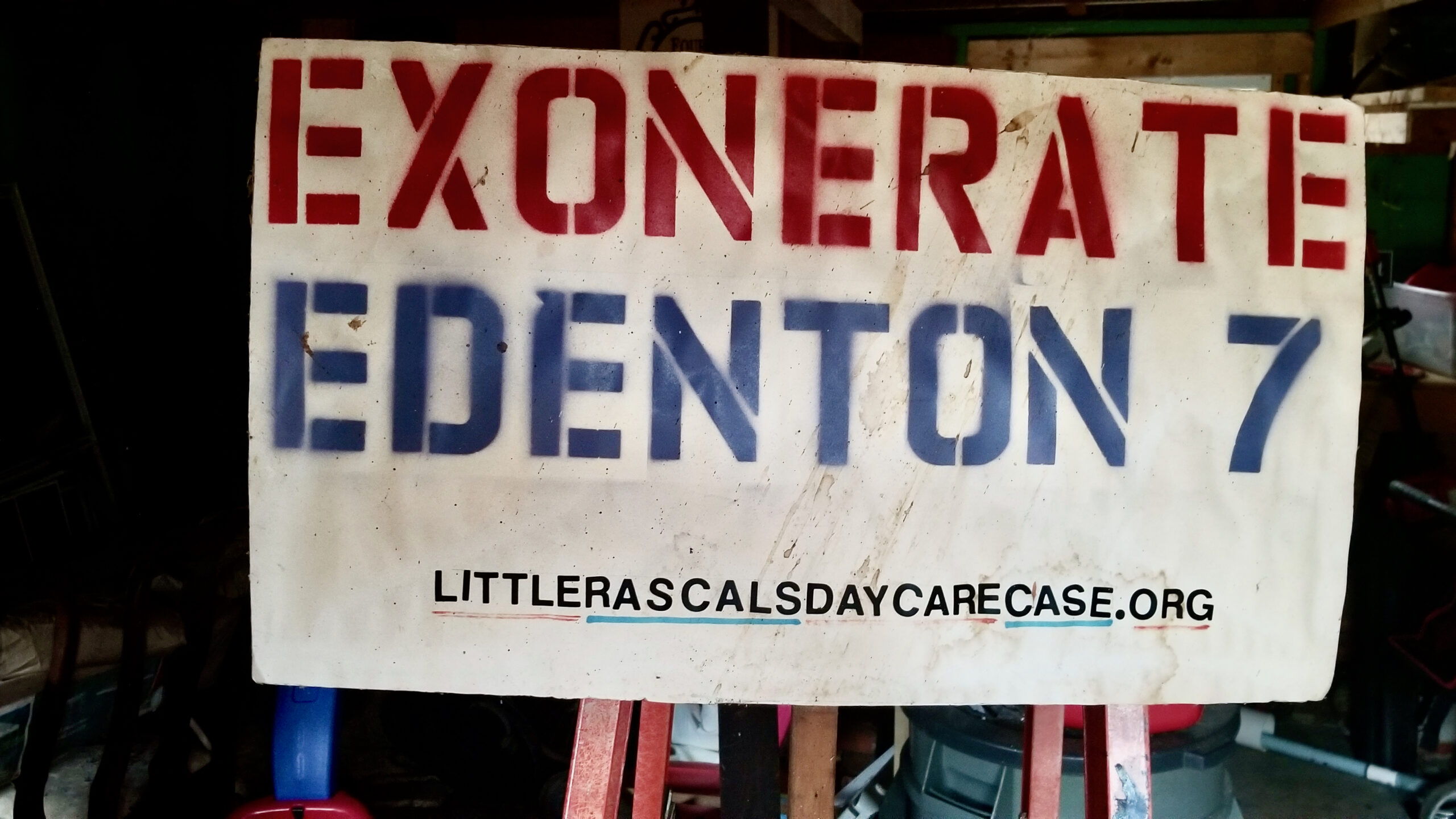
Among the alleged perpetrators: the sheriff and mayor. But prosecutors would charge only Robin Byrum, Darlene Harris, Elizabeth “Betsy” Kelly, Robert “Bob” Kelly, Willard Scott Privott, Shelley Stone and Dawn Wilson – the Edenton 7.
Along with sodomy and beatings, allegations included a baby killed with a handgun, a child being hung upside down from a tree and being set on fire and countless other fantastic incidents involving spaceships, hot air balloons, pirate ships and trained sharks.
By the time prosecutors dropped the last charges in 1997, Little Rascals had become North Carolina’s longest and most costly criminal trial. Prosecutors kept defendants jailed in hopes at least one would turn against their supposed co-conspirators. Remarkably, none did. Another shameful record: Five defendants had to wait longer to face their accusers in court than anyone else in North Carolina history.
Between 1991 and 1997, Ofra Bikel produced three extraordinary episodes on the Little Rascals case for the PBS series “Frontline.” Although “Innocence Lost” did not deter prosecutors, it exposed their tactics and fostered nationwide skepticism and dismay.
With each passing year, the absurdity of the Little Rascals charges has become more obvious. But no admission of error has ever come from prosecutors, police, interviewers or parents. This site is devoted to the issues raised by this case.
On Facebook


Little Rascals Day Care Case
This Facebook page is an offshoot of littlerascalsdaycarecase.org, which addresses the wrongful prosecution of the Edenton Seven and other such victims.

Meanwhile in Edenton....
This content isn't available right now
When this happens, it's usually because the owner only shared it with a small group of people, changed who can see it or it's been deleted.0 CommentsComment on Facebook
Allies for our cause!
This content isn't available right now
When this happens, it's usually because the owner only shared it with a small group of people, changed who can see it or it's been deleted.0 CommentsComment on Facebook
The courts have a long history of capriciously pulling the rug out from under Junior's appeals, but maybe this time....
This content isn't available right now
When this happens, it's usually because the owner only shared it with a small group of people, changed who can see it or it's been deleted.0 CommentsComment on Facebook
Click for earlier Facebook posts archived on this site
Click to go to

Today’s random selection from the Little Rascals Day Care archives….
Panics fade, ‘leaving in their wake bewilderment’
April 8, 2013
“The panic over satanic ritual abuse in the United States… subsided rather abruptly, as panics usually do, whether they are individual or social. They are like an acute anxiety attack – absolutely absorbing while in course and then suddenly gone, leaving in their wake bewilderment, fear of confronting the causes of the panic, and bafflement about what just happened….
“But traces of its presence can be found without much difficulty in the child abuse and neglect (CAN) literature. The panic, and the way CAN personnel had contributed to it, made the field more self-reflective and self-questioning. CAN practitioners had been shocked by the spectacle of their colleagues battling one another in courtrooms… unable to distinguish between real events of abuse and mass hysteria over alleged satanic abuse.”
– From “Childism: Confronting Prejudice Against Children” by Elisabeth Young-Bruehl (2012)
“More self-reflecting and self-questioning” may describe the current generation of child abuse professionals, but those who did such unspeakable damage in the 1980s and ’90s remain wedded to their junk science.
McMartin: Patient Zero in day-care abuse contagion?
 March 26, 2012
How did the moral panic over day-care ritual abuse spread so widely? Did some undetected psychotropic waft from Manhattan Beach to Edenton to Christchurch, New Zealand?
I was reminded of that lingering question while reading the smart and lively “Mistakes Were Made (But Not by Me): Why We Justify Foolish Beliefs, Bad Decisions and Hurtful Acts” (2007).
Although Carol Tavris and Elliot Aronson address the day-care panic only briefly, their reference to the McMartin case having produced “copycat accusations against day care teachers across the country” caught my attention. Yes, the timing, pattern and similarity of these cases suggest conscious imitation, but I haven’t seen the evidence.
“We didn’t mean ‘copycat’ literally,” Tavris explains in an e-mail. “It’s just that the McMartin hysteria scared people, and got them worried about their own local day care centers, and motivated DAs and cops to advance their careers by finding these villains… and thereby launched a thousand other efforts to find molesters under the bed and in the day care classrooms…. That’s what a hysterical epidemic means.”
Coincidentally, I’ve been corresponding with Michael Hill, professor of sociology at Victoria University of Wellington, who has traced outbreaks in New Zealand and Australia directly to visits from such American Appleseeds as Roland Summit and Kee MacFarlane.
View from 1908: ‘The lawyer alone is obdurate’

May 5, 2016
“Psychologists have long recognized that human memory is highly fallible. Hugo Münsterberg taught in one of the first American psychology departments, at Harvard. In a 1908 book called ‘On the Witness Stand,’ he argued that, because people could not know when their memories had deceived them, the legal system’s safeguards against lying – oaths, penalties for perjury, and so on – were ineffective.
“He expected that teachers, doctors, and politicians would all be eager to reform their fields. ‘The lawyer alone is obdurate,’ Münsterberg wrote.”
– From “Recognition: How a travesty led to criminal-justice innovation in Texas” by Paul Kix in the New Yorker (Jan. 18)
Dr. Munsterberg saw clearly the stubbornness of lawyers, even if he may have overestimated the open-mindedness of those other callings.

Can we cope with seeing wrongful convictions?
 Feb. 20, 2015
“Exonerations, which were once exceedingly rare, have become regular features of the American justice system. The National Registry of Exonerations records 1,535 exonerations nationwide (including Bob Kelly and Dawn Wilson) since records began in 1989….
“The 125 wrongful convictions thrown out in 2014… might seem paltry compared to the estimated 1 million felony convictions per year, but the number of wrongful convictions is likely far higher. Many jurisdictions don’t devote the same level of resources towards exonerations that North Carolina does (with its Innocence Inquiry Commission), and even then the process can be achingly slow.
“For a justice system that exalts due process and the presumption of innocence, any wrongful conviction represents a serious breakdown of justice. Even a handful of high-profile wrongful convictions can ripple throughout the public consciousness, undermining confidence in the system. ‘The country is having to psychically cope with conclusive evidence that we make, with some regularity, errors in criminal trial outcomes,’ said (Mary Kelly Tate, director of the University of Richmond law school’s Institute for Actual Innocence).”
– From “Guilty, Then Proven Innocent” by Matt Ford at The Atlantic (Feb. 9)