Rascals case in brief
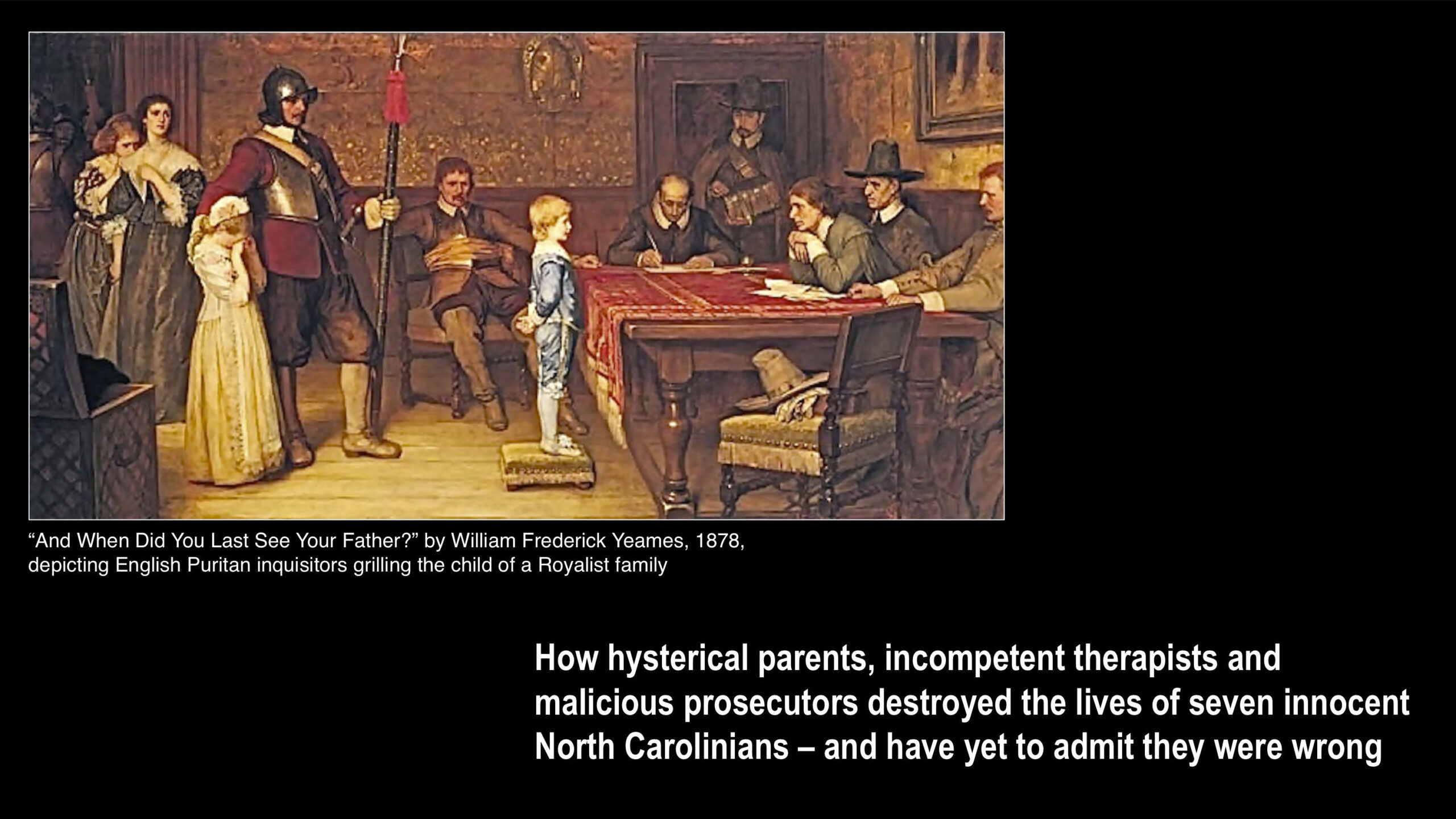
In the beginning, in 1989, more than 90 children at the Little Rascals Day Care Center in Edenton, North Carolina, accused a total of 20 adults with 429 instances of sexual abuse over a three-year period. It may have all begun with one parent’s complaint about punishment given her child.
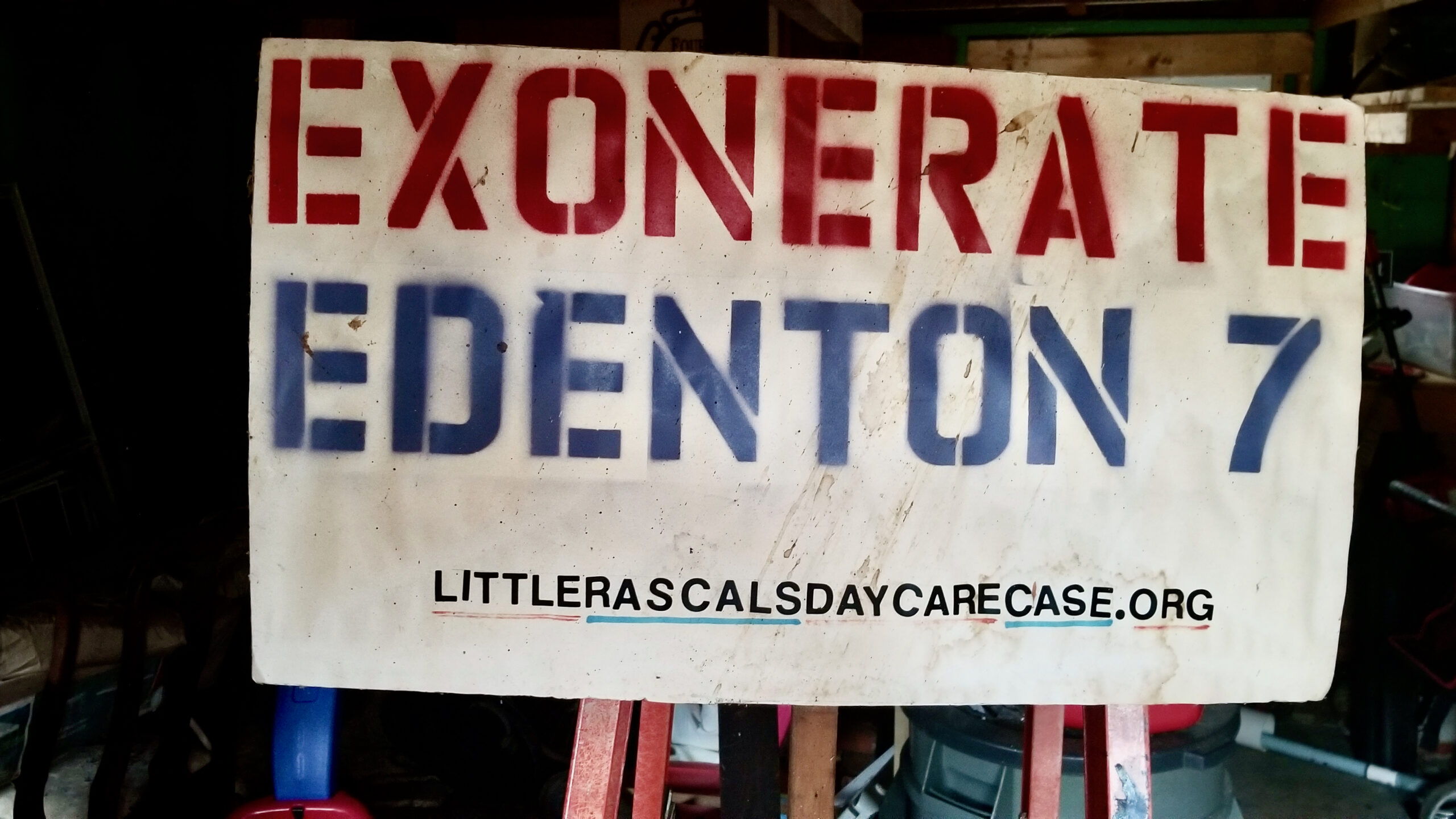
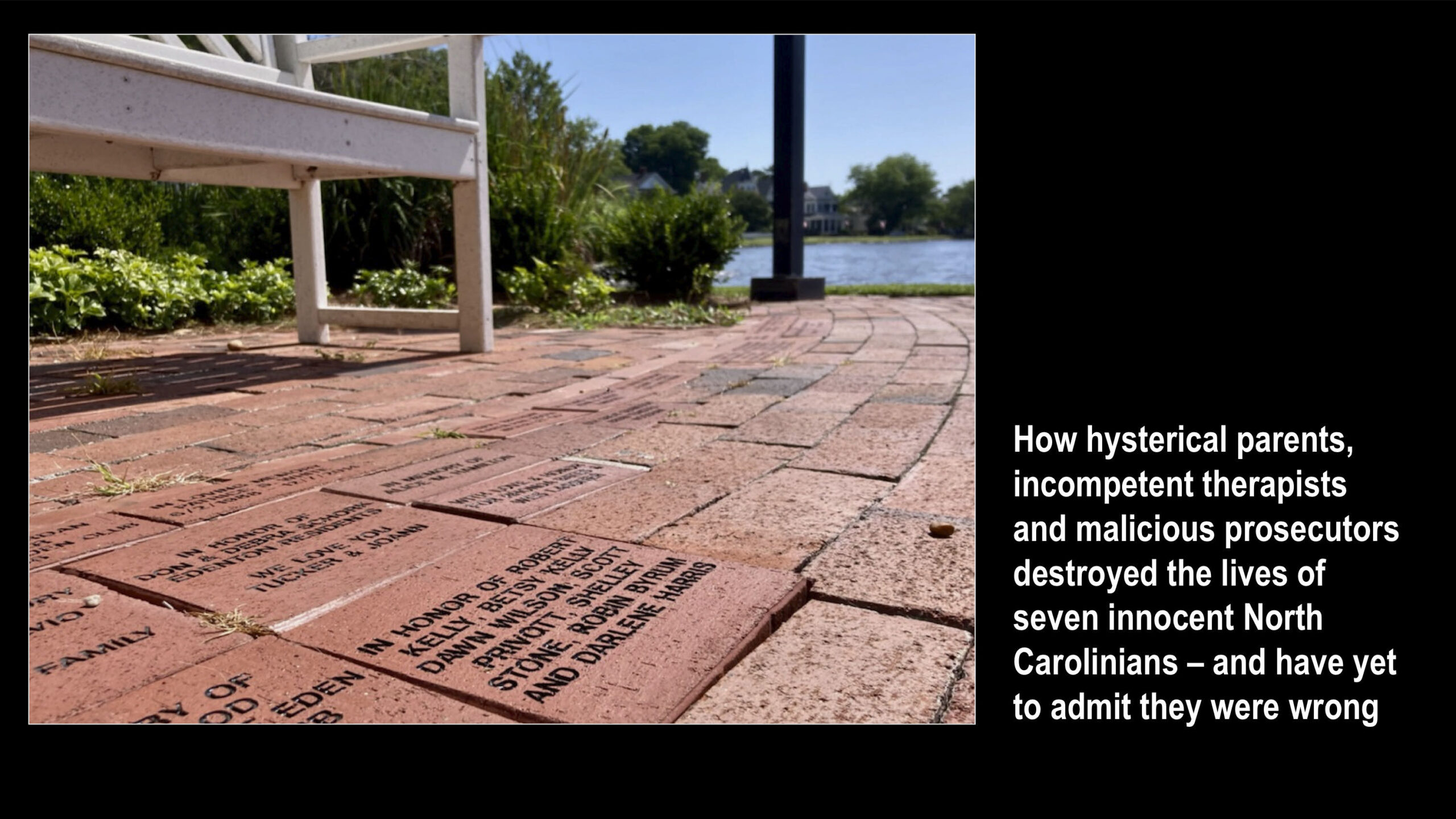
Among the alleged perpetrators: the sheriff and mayor. But prosecutors would charge only Robin Byrum, Darlene Harris, Elizabeth “Betsy” Kelly, Robert “Bob” Kelly, Willard Scott Privott, Shelley Stone and Dawn Wilson – the Edenton 7.
Along with sodomy and beatings, allegations included a baby killed with a handgun, a child being hung upside down from a tree and being set on fire and countless other fantastic incidents involving spaceships, hot air balloons, pirate ships and trained sharks.
By the time prosecutors dropped the last charges in 1997, Little Rascals had become North Carolina’s longest and most costly criminal trial. Prosecutors kept defendants jailed in hopes at least one would turn against their supposed co-conspirators. Remarkably, none did. Another shameful record: Five defendants had to wait longer to face their accusers in court than anyone else in North Carolina history.
Between 1991 and 1997, Ofra Bikel produced three extraordinary episodes on the Little Rascals case for the PBS series “Frontline.” Although “Innocence Lost” did not deter prosecutors, it exposed their tactics and fostered nationwide skepticism and dismay.
With each passing year, the absurdity of the Little Rascals charges has become more obvious. But no admission of error has ever come from prosecutors, police, interviewers or parents. This site is devoted to the issues raised by this case.
On Facebook


Little Rascals Day Care Case
This Facebook page is an offshoot of littlerascalsdaycarecase.org, which addresses the wrongful prosecution of the Edenton Seven and other such victims.

Meanwhile in Edenton....
This content isn't available right now
When this happens, it's usually because the owner only shared it with a small group of people, changed who can see it or it's been deleted.0 CommentsComment on Facebook
Allies for our cause!
This content isn't available right now
When this happens, it's usually because the owner only shared it with a small group of people, changed who can see it or it's been deleted.0 CommentsComment on Facebook
The courts have a long history of capriciously pulling the rug out from under Junior's appeals, but maybe this time....
This content isn't available right now
When this happens, it's usually because the owner only shared it with a small group of people, changed who can see it or it's been deleted.0 CommentsComment on Facebook
Click for earlier Facebook posts archived on this site
Click to go to

Today’s random selection from the Little Rascals Day Care archives….
Satanic ritual abuse exemplified ‘counterknowledge’
Oct. 4, 2013
“The essence of counterknowledge is that it purports to be knowledge but is not knowledge. Its claims can be shown to be untrue, either because there are facts that contradict them or because there is no evidence to support them. It misrepresents reality (deliberately or otherwise) by presenting non-facts as facts….
“The media were pushing the circulation of counterknowledge long before the public hooked up to broadband. Consider, for example, the satanic ritual abuse scare….”
– From “Counterknowledge: How we surrendered to conspiracy theories, quack medicine, bogus science and fake history” by Damian Thompson (2008)
Rare words of prosecutorial remorse
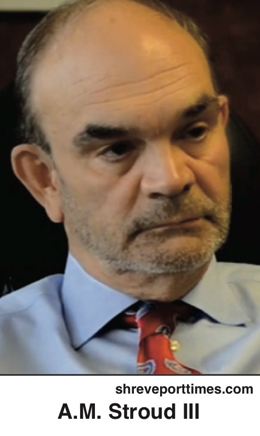 July 5, 2015
“In March, A. M. Stroud III, lead prosecutor at trial, wrote a remorseful article in The Shreveport Times, declaring, ‘Glenn Ford was an innocent man,’ taking responsibility for a rush to judgment and arguing for the abolition of the death penalty.
“ ‘I apologize to Glenn Ford for all the misery I have caused him and his family,’ Mr. Stroud wrote. ‘I apologize to the family of (the murder victim) for giving them the false hope of some closure. I apologize to the members of the jury for not having all of the story that should have been disclosed to them. I apologize to the court in not having been more diligent in my duty to ensure that proper disclosures of any exculpatory evidence had been provided to the defense.’
“He concluded: ‘I end with the hope that providence will have more mercy for me than I showed Glenn Ford. But I am also sobered by the realization that I certainly am not deserving of it.’ ”
– From “Glenn Ford, Spared Death Row, Dies at 65” by Bruce Weber in the New York Times (July 2)
By the time Mr. Ford was exonerated and released in 2014, he had served 29 years in Louisiana’s Angola prison. His freedom was short-lived: In less than 16 months he would be dead from lung cancer.
Prosecutor Stroud deserves credit for his humble and agonized apology, however late. His words could just as truthfully have come from the mouths of H.P. Williams, Bill Hart and Nancy Lamb – but of course they haven’t.
That’s our case, and we’re sticking to it (cont.)
 Feb. 1, 2012
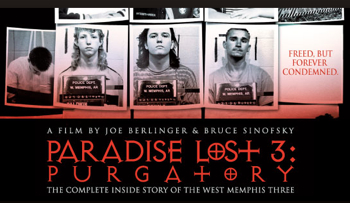
The HBO documentary “Paradise Lost 3: Purgatory” surely deserves its Oscar nomination, although the only edge it holds over Ofra Bikel’s “Innocence Lost” trilogy of the ’90s is its happy-tears finale: the three defendants walking out of prison.
After much lawyering, the West Memphis Three in August accepted an Alford plea that allowed them to go free, while protecting the state of Arkansas from a wrongful-imprisonment suit and the national embarrassment of a retrial.
I had to laugh at this exchange from the ensuing press conference:
Reporter: “Will the state continue to investigate this case if additional information is brought forth, or is the case closed?”
Prosecutor Scott Ellington: “I have no reason to believe there was anyone else involved in the homicides of these three children but the three defendants who pled guilty today.”
Defense attorney Dennis Riordon: “Does anyone believe that if the state had even the slightest continuing conviction they were guilty that it would have let these men go free today?”
If H.P. Williams Jr., Nancy Lamb and Bill Hart were watching – unlikely, given the spotlight shone on unjust prosecution – no doubt they would have admired Ellington’s resolve in the face of reality.
Parents saw nothing amiss until rumors took hold
 April 18, 2012
“One of the more surprising aspects of this (Little Rascals) case…. was that none of the parents… had observed anything that caused them to suspect their children were being abused or tortured during the period of the alleged abuses; there were no reports of unusual incidents from their children.
“Nor did the parents detect anything unusual when, without notice, they dropped in early to pick up their children from the day care (e.g., to take them to a doctor’s appointment).
“It was only after allegations began to grow that parents also began to remember events or behaviors consistent with their child being abused.”
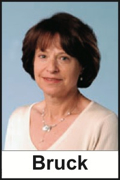
– From “Jeopardy in the Courtroom: A Scientific Analysis of Children’s
Testimony” by Stephen J. Ceci and Maggie Bruck (1995)
Prosecutor Nancy Lamb gave the Charlotte Observer her response to “Jeopardy in the Courtroom”: “It’s unfortunate that these two people who have a good reputation – or at least Ceci did – have written this. It’s garbage.”