Rascals case in brief
In the beginning, in 1989, more than 90 children at the Little Rascals Day Care Center in Edenton, North Carolina, accused a total of 20 adults with 429 instances of sexual abuse over a three-year period. It may have all begun with one parent’s complaint about punishment given her child.
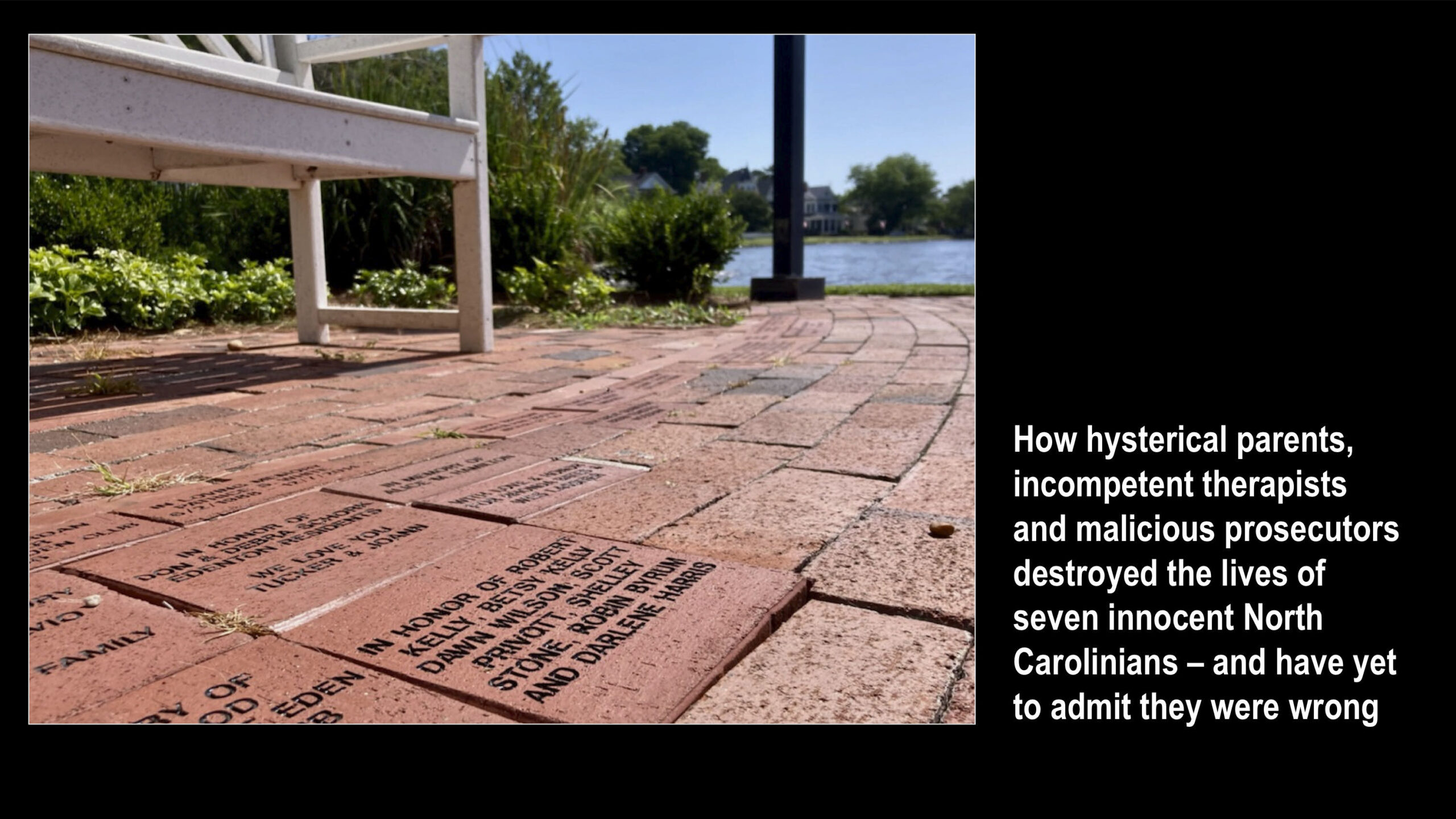
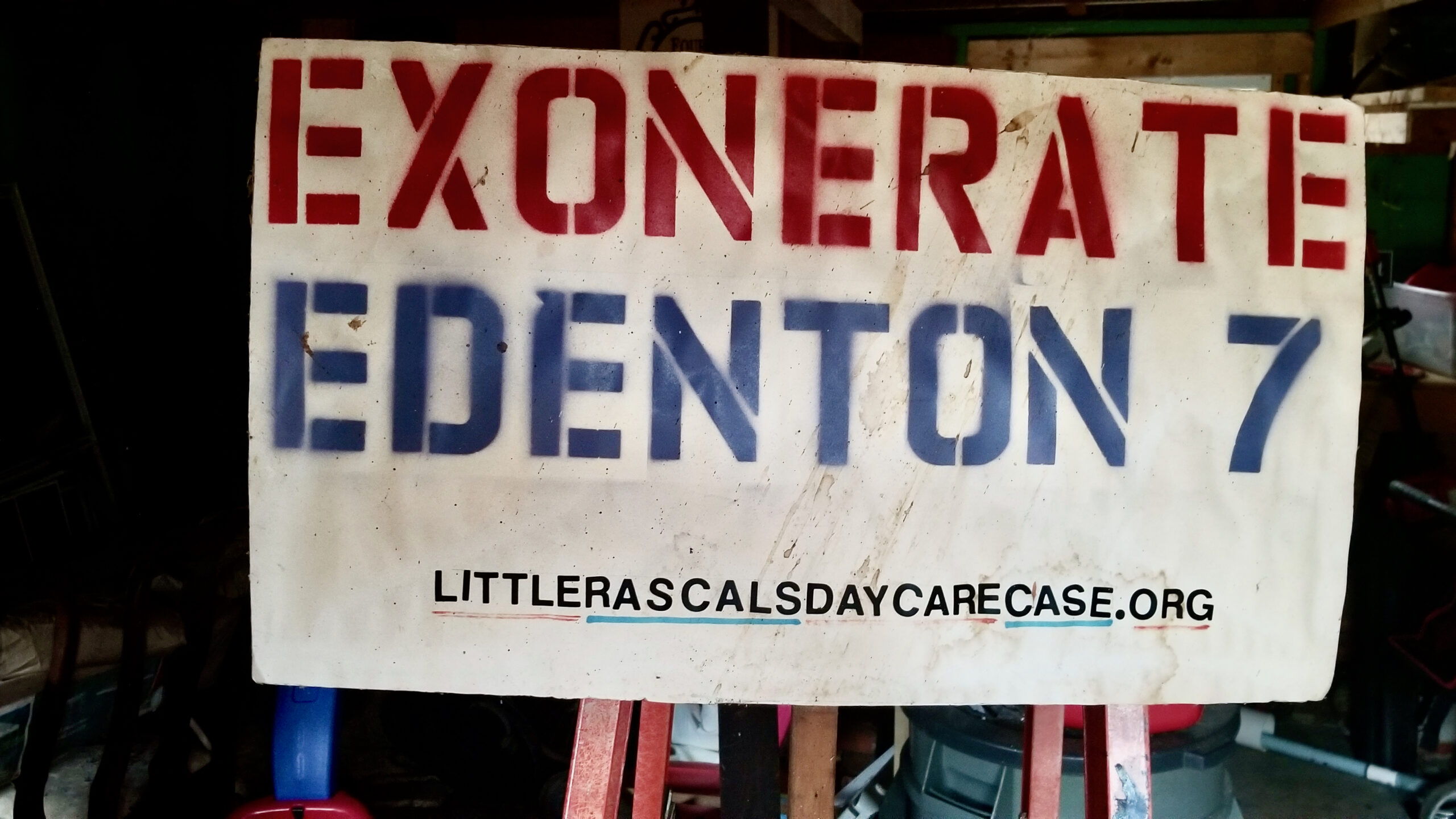
Among the alleged perpetrators: the sheriff and mayor. But prosecutors would charge only Robin Byrum, Darlene Harris, Elizabeth “Betsy” Kelly, Robert “Bob” Kelly, Willard Scott Privott, Shelley Stone and Dawn Wilson – the Edenton 7.
Along with sodomy and beatings, allegations included a baby killed with a handgun, a child being hung upside down from a tree and being set on fire and countless other fantastic incidents involving spaceships, hot air balloons, pirate ships and trained sharks.
By the time prosecutors dropped the last charges in 1997, Little Rascals had become North Carolina’s longest and most costly criminal trial. Prosecutors kept defendants jailed in hopes at least one would turn against their supposed co-conspirators. Remarkably, none did. Another shameful record: Five defendants had to wait longer to face their accusers in court than anyone else in North Carolina history.
Between 1991 and 1997, Ofra Bikel produced three extraordinary episodes on the Little Rascals case for the PBS series “Frontline.” Although “Innocence Lost” did not deter prosecutors, it exposed their tactics and fostered nationwide skepticism and dismay.
With each passing year, the absurdity of the Little Rascals charges has become more obvious. But no admission of error has ever come from prosecutors, police, interviewers or parents. This site is devoted to the issues raised by this case.
On Facebook


Little Rascals Day Care Case
This Facebook page is an offshoot of littlerascalsdaycarecase.org, which addresses the wrongful prosecution of the Edenton Seven and other such victims.

Meanwhile in Edenton....
This content isn't available right now
When this happens, it's usually because the owner only shared it with a small group of people, changed who can see it or it's been deleted.0 CommentsComment on Facebook
Allies for our cause!
This content isn't available right now
When this happens, it's usually because the owner only shared it with a small group of people, changed who can see it or it's been deleted.0 CommentsComment on Facebook
The courts have a long history of capriciously pulling the rug out from under Junior's appeals, but maybe this time....
This content isn't available right now
When this happens, it's usually because the owner only shared it with a small group of people, changed who can see it or it's been deleted.0 CommentsComment on Facebook
Click for earlier Facebook posts archived on this site
Click to go to

Today’s random selection from the Little Rascals Day Care archives….
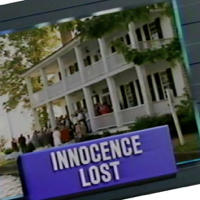
25 years ago: ‘Innocence Lost’ debuts
 May 7, 2016
Twenty-five years ago today, “Frontline” aired Ofra Bikel’s landmark two-hour documentary on the Little Rascals Day Care case. It turned out to be the first of three installments over the next six years.
About the “satanic ritual abuse” day-care panic of the 1980s and early ’90s, historian Mary De Young says:
“Ofra Bikel certainly pounded a nail in its coffin. Her excellent work on the Little Rascals case appeared after the last day care ritual abuse case was prosecuted, but she created a reason to be profoundly skeptical of all the cases that came before.”
“Innocence Lost” is unavailable on DVD, but you can view all eight hours here.

N.C. law stacked deck against defendants
Oct. 17, 2011
The two largest ritual-abuse day-care cases – Little Rascals in Edenton and McMartin in California – bore many similarities but McMartin resulted in not a single conviction.
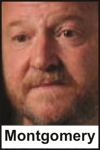 I asked Mark Montgomery, who in 1995 successfully argued Bob Kelly’s case before the North Carolina Court of Appeals, why that might have been:
“Each state has its own criminal laws, rules of procedure and evidence, etc. … Several features of the law in North Carolina gave prosecutors an advantage.
“First, the prosecution interviewed all the children attending Little Rascals Day Care. Most said they had seen no abuse. The law allowed the prosecution to withhold those interviews from the defense. And the defense was not allowed to interview the children. So all the jury heard were the stories of the 12 children who were the subject of indictments.
“Second, the law allowed the state’s expert witnesses to testify that they believed the children’s claims.
“Third, the defense was not allowed to conduct its own physical or psychological examinations of the children.
“Fourth, North Carolina had (and has) very liberal rules for the admission of hearsay by children in these cases. Almost anything a child says out of court can be used by the jury as substantive evidence of guilt. An effective prosecution strategy was to enlist the parents to elicit allegations of abuse. For months, parents, who were told their children had been abused, pleaded with their children to ‘disclose.’ Some eventually did. The prosecution then called the parents as witnesses to testify to what their children said, even if the children themselves did not testify.”
When Betsy Kelly was released from jail, much persecution still lay ahead
Oct. 9, 2016
Five days after her bond was reduced from $1.8 million to $400,000, Betsy Kelly is released from jail.
 In January 1994 Kelly would accept a plea of “no contest” and a sentence of seven years in prison. Since she had already served two years and two weeks in jail, she became eligible for parole almost immediately. But Assistant Attorney General Bill Hart, angry over her unwavering insistence that she was innocent, reneged on a plea agreement not to contest her release, and the Parole Commission kept her imprisoned another 10 months.
The prosecution used excessive bail as a sledgehammer on the lives and freedom of Betsy Kelly and the other Little Rascals defendants:
- Bob Kelly, $1.5 million (later reduced to $200,000 – after his conviction was overturned – then $50,000 )
- Scott Privott, $1 million (reduced to $50,000)
- Shelley Stone, $375,000
- Dawn Wilson, $880,000 (reduced to $200,000)
- Robin Byrum, $500,000 (reduced to $200,000)
- Darlene Harris, $350,000
What outrageous conditions! Did Hart, H. P. Williams Jr. and Nancy Lamb fear that the defendants would flee to Argentina? That they would prowl the town’s playgrounds in search of new victims? No, these obviously out-of-reach amounts surely had no purpose but to coerce confessions. How shocked and disappointed prosecutors must have been that not one of the defendants, though crushed financially, succumbed.
McMartin therapy victim: ‘I lived in fabricated fear’
 Feb. 5, 2015
“I was involved in this (McMartin Preschool) case. I remember getting dropped off at court-ordered therapy. I don’t remember the sessions, but I have seen the macabre pictures I drew. I have read the accounts the therapist wrote down for me as I detailed the abuse.
“It is my belief, after years of treatment centers and therapy, that nothing physical happened to me…. Mentally, well, that’s a different story. How about paying attention to the kids that were scarred from this therapy? Do you think that just because there was most likely no physical abuse that we didn’t still suffer? Eating disorders, alcoholism, depression, anxiety….
“I lived in fabricated fear. I have a vivid memory of one teacher telling us that she would come to our house in the middle of the night and shoot our parents if we ever told them what happened. This memory, which I now assume was a dream, was the one thing that kept me questioning for years whether or not this happened. So, while I now believe that the memories were unintentionally implanted, I still lived the nightmare through stories and drawings…”
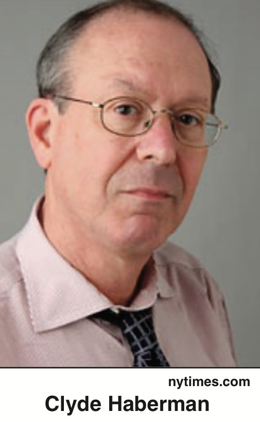
– From “The Trial That Unleashed Hysteria Over Child Abuse” in the New York Times (March 9, 2014)
Although I linked to Clyde Haberman’s thorough and perceptive piece when it appeared, I’m just now noticing that among the 166 reader comments was this one above from a “therapy…scarred” McMartin child. Unfortunately, it was posted anonymously – so continues the long wait for now-grown child-witnesses (other than Kyle Zirpolo) ready to go public with their recollections.