Rascals case in brief
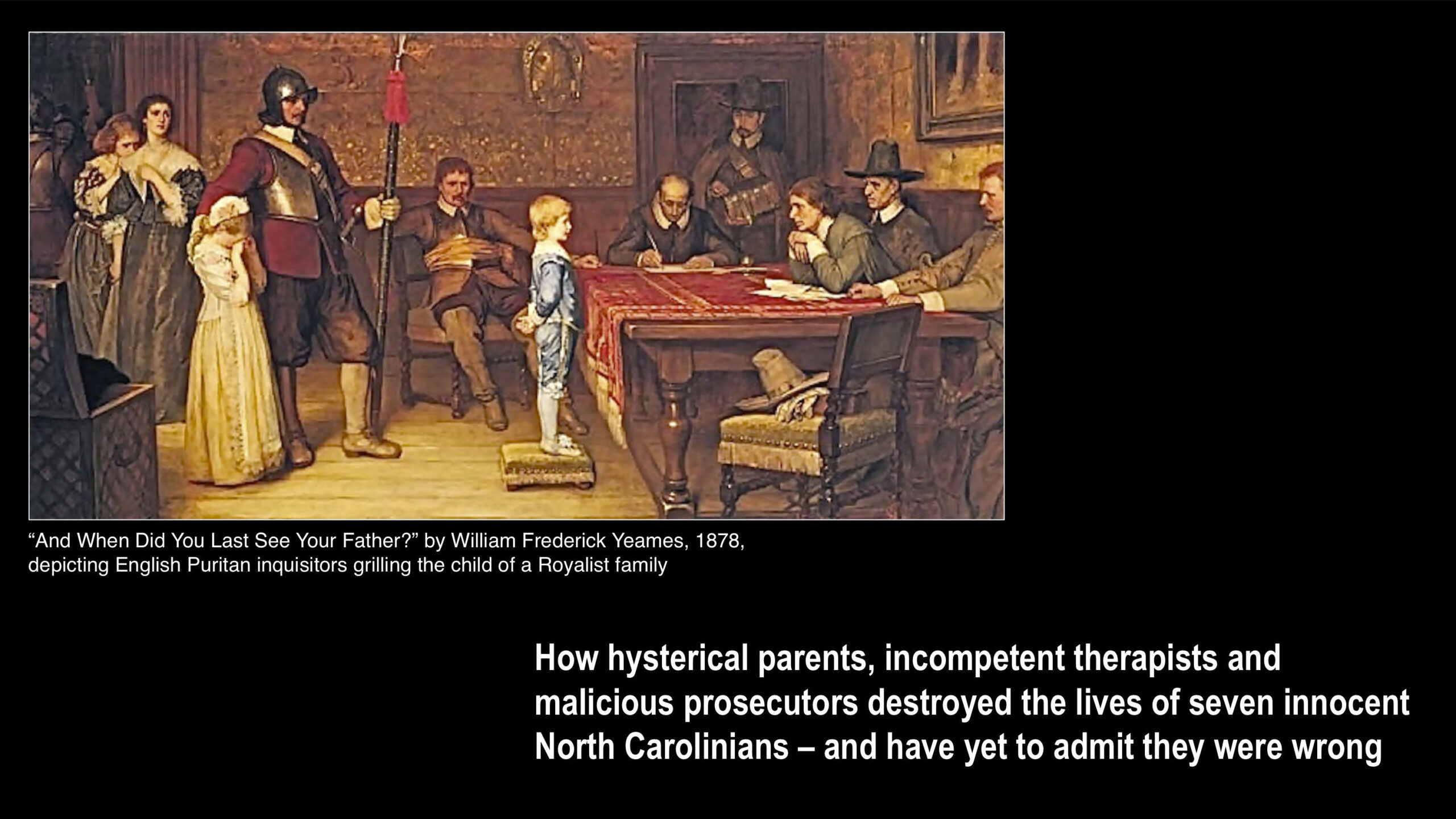
In the beginning, in 1989, more than 90 children at the Little Rascals Day Care Center in Edenton, North Carolina, accused a total of 20 adults with 429 instances of sexual abuse over a three-year period. It may have all begun with one parent’s complaint about punishment given her child.
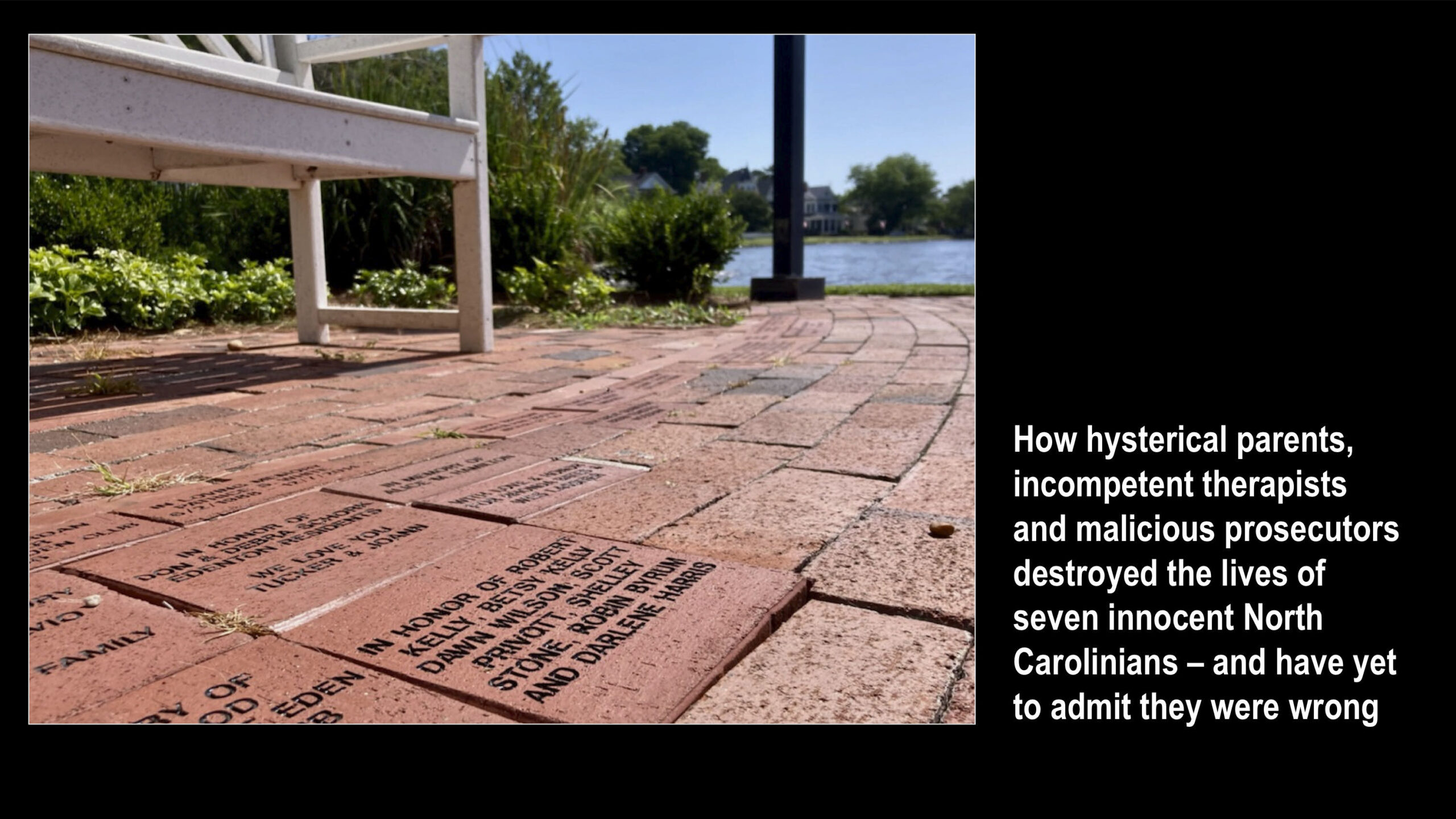
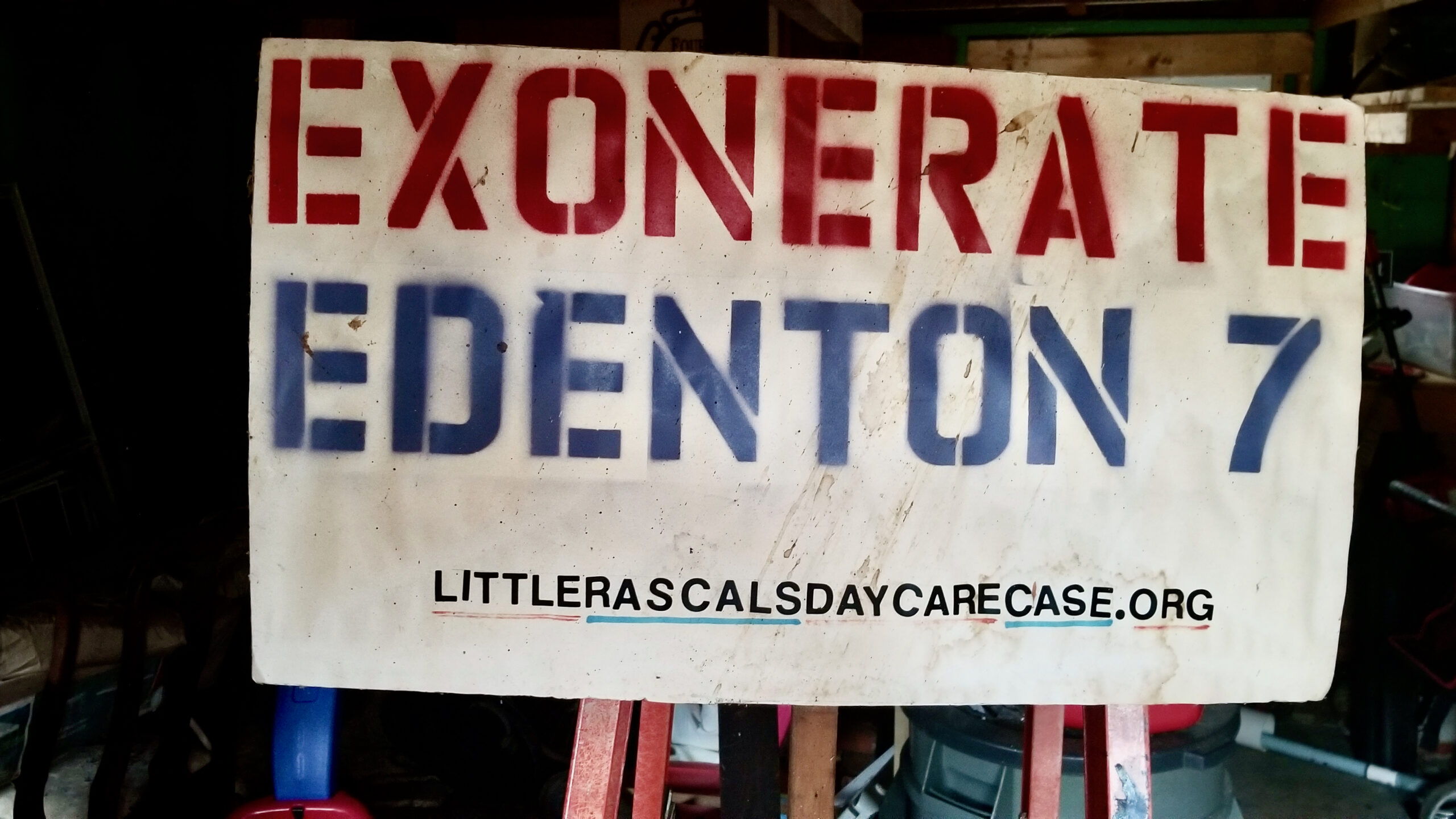
Among the alleged perpetrators: the sheriff and mayor. But prosecutors would charge only Robin Byrum, Darlene Harris, Elizabeth “Betsy” Kelly, Robert “Bob” Kelly, Willard Scott Privott, Shelley Stone and Dawn Wilson – the Edenton 7.
Along with sodomy and beatings, allegations included a baby killed with a handgun, a child being hung upside down from a tree and being set on fire and countless other fantastic incidents involving spaceships, hot air balloons, pirate ships and trained sharks.
By the time prosecutors dropped the last charges in 1997, Little Rascals had become North Carolina’s longest and most costly criminal trial. Prosecutors kept defendants jailed in hopes at least one would turn against their supposed co-conspirators. Remarkably, none did. Another shameful record: Five defendants had to wait longer to face their accusers in court than anyone else in North Carolina history.
Between 1991 and 1997, Ofra Bikel produced three extraordinary episodes on the Little Rascals case for the PBS series “Frontline.” Although “Innocence Lost” did not deter prosecutors, it exposed their tactics and fostered nationwide skepticism and dismay.
With each passing year, the absurdity of the Little Rascals charges has become more obvious. But no admission of error has ever come from prosecutors, police, interviewers or parents. This site is devoted to the issues raised by this case.
On Facebook


Little Rascals Day Care Case
This Facebook page is an offshoot of littlerascalsdaycarecase.org, which addresses the wrongful prosecution of the Edenton Seven and other such victims.

Meanwhile in Edenton....
This content isn't available right now
When this happens, it's usually because the owner only shared it with a small group of people, changed who can see it or it's been deleted.0 CommentsComment on Facebook
Allies for our cause!
This content isn't available right now
When this happens, it's usually because the owner only shared it with a small group of people, changed who can see it or it's been deleted.0 CommentsComment on Facebook
The courts have a long history of capriciously pulling the rug out from under Junior's appeals, but maybe this time....
This content isn't available right now
When this happens, it's usually because the owner only shared it with a small group of people, changed who can see it or it's been deleted.0 CommentsComment on Facebook
Click for earlier Facebook posts archived on this site
Click to go to

Today’s random selection from the Little Rascals Day Care archives….
View from 1908: ‘The lawyer alone is obdurate’
May 5, 2016
“Psychologists have long recognized that human memory is highly fallible. Hugo Münsterberg taught in one of the first American psychology departments, at Harvard. In a 1908 book called ‘On the Witness Stand,’ he argued that, because people could not know when their memories had deceived them, the legal system’s safeguards against lying – oaths, penalties for perjury, and so on – were ineffective.
“He expected that teachers, doctors, and politicians would all be eager to reform their fields. ‘The lawyer alone is obdurate,’ Münsterberg wrote.”
– From “Recognition: How a travesty led to criminal-justice innovation in Texas” by Paul Kix in the New Yorker (Jan. 18)
Dr. Munsterberg saw clearly the stubbornness of lawyers, even if he may have overestimated the open-mindedness of those other callings.

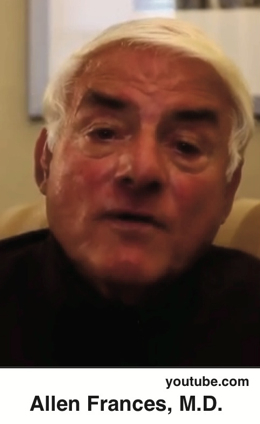
Dr. Frances makes case for Chandler’s release
 June 15, 2014
“Andrew Junior Chandler has been unjustly incarcerated in a North Carolina prison for 27 years, charged with a crime that almost surely never happened….
“Let’s hope that Gov. Pat McCrory will review the mistaken judgment of his misnamed ‘clemency office’ and correct this stain on the reputation of North Carolina justice.”
–From “Mass hysteria of sexual, satanic ritual abuse and a miscarriage of NC justice” by Dr. Allen Frances in the Raleigh News & Observer (June 15) text cache
Dr. Frances, professor emeritus of psychiatry at Duke University, once again steps forward to take responsibility for therapy’s Dark Ages, this time in the newspaper read daily by those state officials who have refused to grant relief to Junior Chandler.
Prosecution kept its eye on the (wrong) target
Dec. 28, 2011
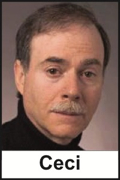
“Throughout the trial, prosecuting attorneys (in the Little Rascals case) repeatedly pursued their hunches without an apparent desire to test an alternate theory. This resulted in a rather spectacular false admission by 6-year-old Andy, who had been a 3-year-old at the time of the alleged sexual abuse by Bob Kelly.
 “ ‘Prosecutor: Do you remember a time where you ever had to do anything to Mr. Bob’s hiney with your mouth?
“ ‘Andy: No, ma’am.
“ ‘Prosecutor: Do you remember telling Dr. Betty that one time you had to lick Mr. Bob’s hiney? Did that happen? Did you ever have to do that, that you didn’t want to do it?
“ ‘Andy: Yes, ma’am.’
“In reality, the prosecutor had made a mistake, thinking that the charge was that Andy had sodomized Bob Kelly, rather than the other way around. The state dropped this charge after it realized Andy had admitted to the wrong charge.
“This ought to have sensitized the prosecution to the very real dangers of pursuing a single hypothesis in the relentless manner we have described, but unfortunately it did not appear to have done so.”
– From “Jeopardy in the Courtroom: A Scientific Analysis of Children’s Testimony”
by Stephen J. Ceci and Maggie Bruck (1995)
Scholarship minus skepticism = academic sham
 April 20, 2012
David Finkelhor’s “Nursery Crimes: Sexual Abuse in Day Care” (1988) helped lay the foundation for the moral panic that would soon engulf Edenton and so many other ill-starred towns.
Finkelhor, a respected and widely published sociologist at the University of New Hampshire, built a Potemkin village of statistical tables – “Victim Characteristics by Type of Perpetrator,” etc. – that concealed the utter worthlessness of his data. He was wrong from the first chapter, accepting unsubstantiated claims of ritual abuse as reality, to the last, recommending that “parents, licensing and law-enforcement officials be educated to view females as potential sex-abusers.”
This is from a recent exchange Finkelhor and I had via email:
Q: In “Nursery Crimes” you accept that ritual sexual abuse did in fact occur at Little Rascals, McMartin, Wee Care, etc., and give little credence to the “backlash” against such prosecutions. Has your position changed?
A: This was a while ago and I have not revisited the case. Our research did not conduct any independent review of the evidence, but simply coded the conclusion of the investigator we interviewed. So I was neither an authority about the validity of claims at the time or at the present.
Q: Yes, I understand that your research and analysis relied entirely on “local investigating agencies (that) had decided that abuse had occurred” (p. 13).
But I’m not finding in “Nursery Crimes” any skepticism about these prosecutorial allegations. In fact, the book seems only to reinforce the belief that satanic ritual abuse was a frequent occurrence in the nation’s day cares. Am I misjudging it?
Stephen Ceci and Maggie Bruck are but two of the researchers who have detailed the contaminated interview techniques that supported each of these cases. And of course almost all the defendants eventually went free, either when charges were dropped or their guilty verdicts overturned.
Would you consider returning to this subject and, if you so chose, changing your public position? I know the defendants – innocent citizens who saw their lives crushed by unfounded charges – would appreciate it.
—
No response yet to my second question. If I receive one, I’ll post it.