Rascals case in brief
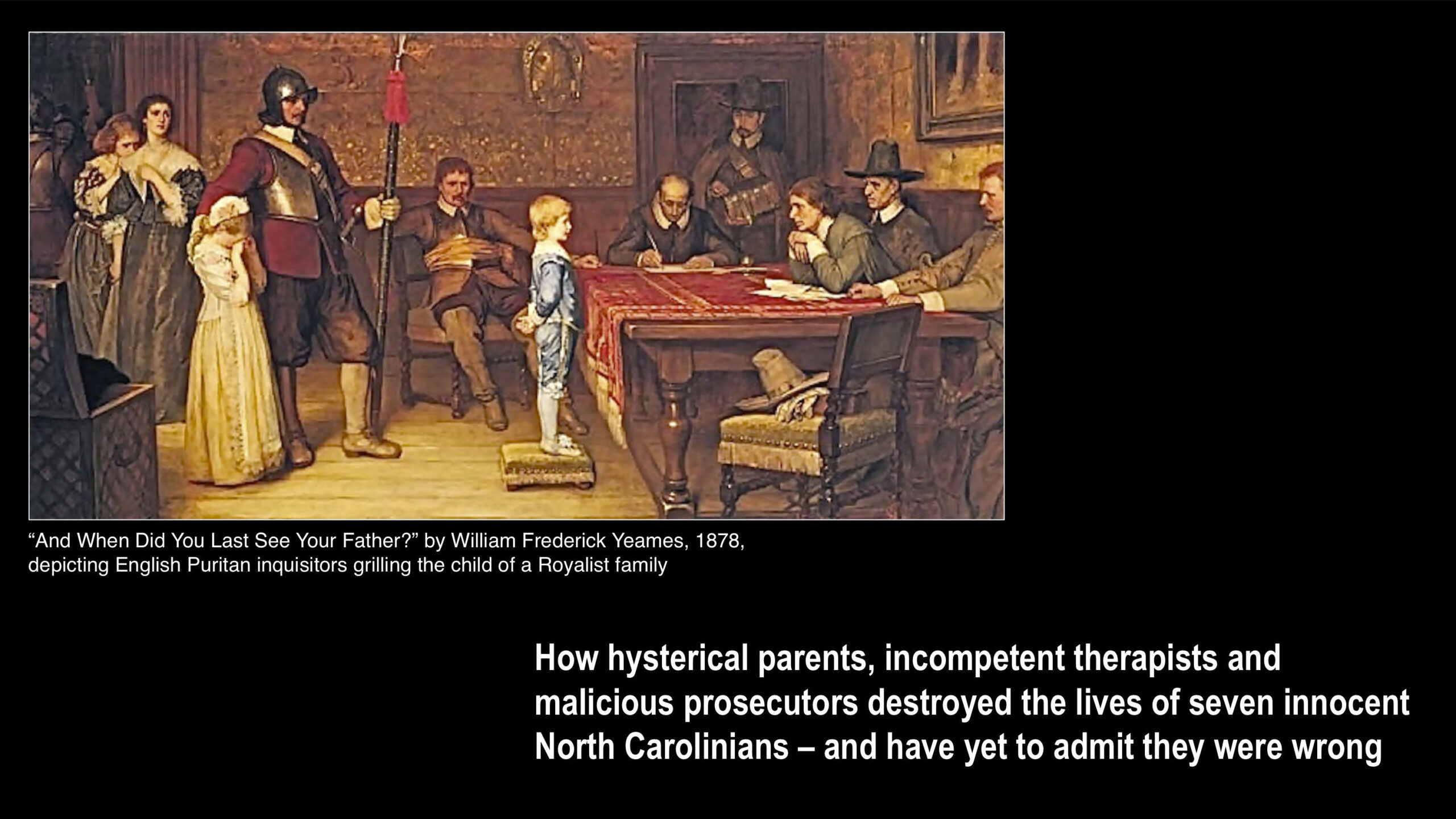
In the beginning, in 1989, more than 90 children at the Little Rascals Day Care Center in Edenton, North Carolina, accused a total of 20 adults with 429 instances of sexual abuse over a three-year period. It may have all begun with one parent’s complaint about punishment given her child.
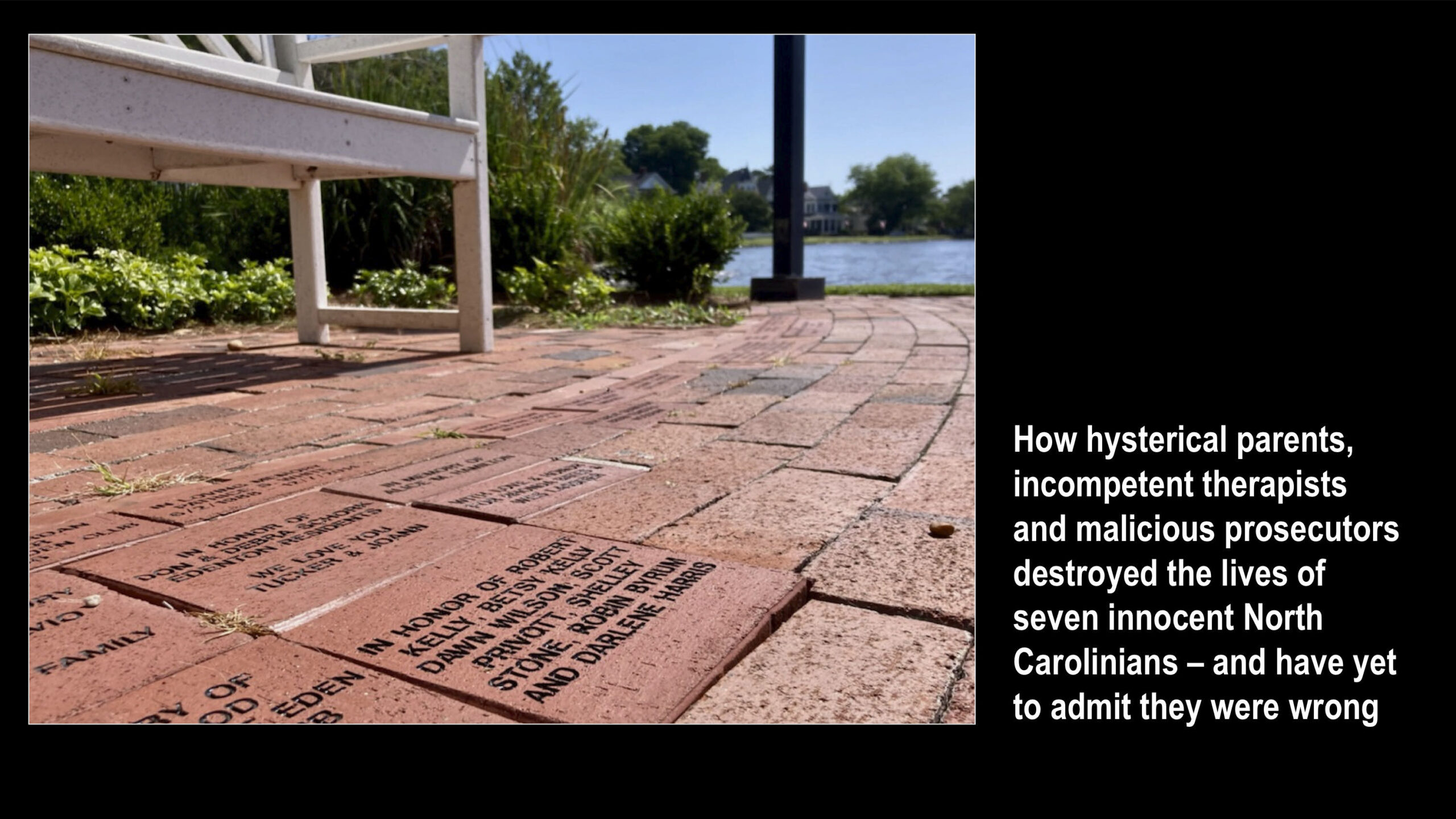
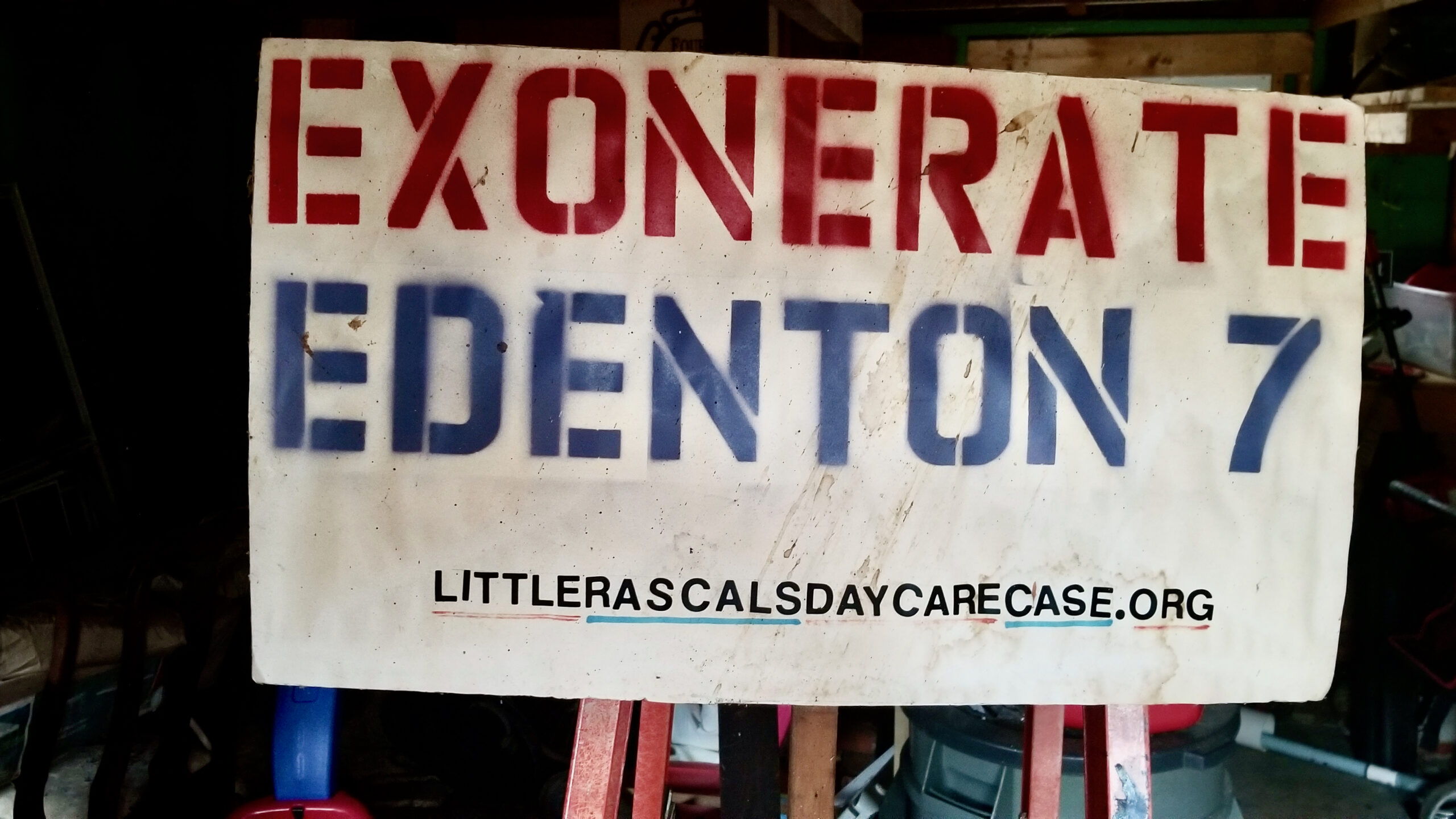
Among the alleged perpetrators: the sheriff and mayor. But prosecutors would charge only Robin Byrum, Darlene Harris, Elizabeth “Betsy” Kelly, Robert “Bob” Kelly, Willard Scott Privott, Shelley Stone and Dawn Wilson – the Edenton 7.
Along with sodomy and beatings, allegations included a baby killed with a handgun, a child being hung upside down from a tree and being set on fire and countless other fantastic incidents involving spaceships, hot air balloons, pirate ships and trained sharks.
By the time prosecutors dropped the last charges in 1997, Little Rascals had become North Carolina’s longest and most costly criminal trial. Prosecutors kept defendants jailed in hopes at least one would turn against their supposed co-conspirators. Remarkably, none did. Another shameful record: Five defendants had to wait longer to face their accusers in court than anyone else in North Carolina history.
Between 1991 and 1997, Ofra Bikel produced three extraordinary episodes on the Little Rascals case for the PBS series “Frontline.” Although “Innocence Lost” did not deter prosecutors, it exposed their tactics and fostered nationwide skepticism and dismay.
With each passing year, the absurdity of the Little Rascals charges has become more obvious. But no admission of error has ever come from prosecutors, police, interviewers or parents. This site is devoted to the issues raised by this case.
On Facebook


Little Rascals Day Care Case
This Facebook page is an offshoot of littlerascalsdaycarecase.org, which addresses the wrongful prosecution of the Edenton Seven and other such victims.

Meanwhile in Edenton....
This content isn't available right now
When this happens, it's usually because the owner only shared it with a small group of people, changed who can see it or it's been deleted.0 CommentsComment on Facebook
Allies for our cause!
This content isn't available right now
When this happens, it's usually because the owner only shared it with a small group of people, changed who can see it or it's been deleted.0 CommentsComment on Facebook
The courts have a long history of capriciously pulling the rug out from under Junior's appeals, but maybe this time....
This content isn't available right now
When this happens, it's usually because the owner only shared it with a small group of people, changed who can see it or it's been deleted.0 CommentsComment on Facebook
Click for earlier Facebook posts archived on this site
Click to go to

Today’s random selection from the Little Rascals Day Care archives….
X-factor in child-witnesses’ accounts: TV
Aug. 9, 2013
“(One) area of uncertainty is the extent to which sexual knowledge is learned by young children through exposure to either explicit or sexually suggestive materials on television, video and movies. Studies indicate that children watch from 14 to 23 hours of television a week with the highest level among preschoolers. About a third of them do so without parental involvement in what they watch.”
– From “Evidence Issues and ‘Lessons’ from State v. Kelly: Litigation of Allegations of Child Sexual Abuse” by Jeffrey L. Miller and W. Michael Spivey, presented at the 6th annual North Carolina Criminal Evidence Seminar, UNC School of Law (April 16, 1993)
Among the “suggestive materials” that aired during the early days of the Little Rascals allegations: “Do You Know the Muffin Man?”
Kids say the darndest things… eventually
 April 24, 2015
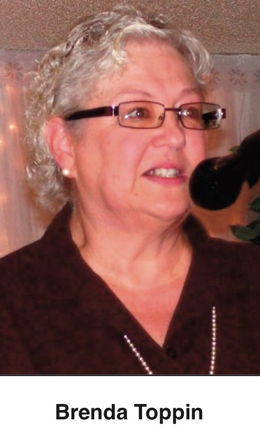
“As was made clear repeatedly upon testimony by experts, the very first reports of the children were the ones that would be most critical in determining whether sexual abuse had indeed occurred. Yet in the first interviews, the children said almost nothing of any interest with regard to sexual abuse, and the police officer who conducted these hearings destroyed all of her notes and all of her tapes of what happened before the case went to court. She was approached by several of the mothers initially because she had taken a short course in investigating cases of child abuse.
“Officer (Brenda) Toppin was crucial to the whole process because she was the one who escalated the case from a minor complaint by one parent into a case of massive sexual abuse of dozens of children by scores of day-care workers.”
– From “Understanding The Crucible: A Student Casebook to Issues, Sources, and Historical Documents” by Claudia Durst Johnson and Vernon Johnson (1998)
Court finds Hart’s ploy ‘grossly improper’
March 16, 2012
“The appeals court called a maneuver (in Dawn Wilson’s trial) by the chief special prosecutor, Bill Hart, ‘grossly improper.’
“The judges found that Hart had tried to impugn the reputation of Wilson by placing in the courtroom audience two people whose presence was likely to intimidate Wilson.
“Hart never called the pair as witnesses, but… by his actions had implied to Wilson that he intended to use the two people against her in a way that might result in self-incrimination.”
– From the (Norfolk) Virginian-Pilot, May 3, 1995
In 1995 the N.C. Court of Appeals overturned her conviction. And then of course the prosecutors rushed to apologize to Dawn Wilson for their disgraceful vilification.
Emissaries from Raleigh bring kneejerk resistance to exoneration
Sept. 11, 2016
“I honestly don’t understand not only how the Attorney General’s Office felt it was necessary to fight us through a full week of hearing in this case, but how they could stand up at the end of that hearing and say they thought Johnny should stay in prison.
“That is not a minister of justice. A minister of justice should be objective enough to evaluate the evidence in a fair way and there was no way anybody could look at the evidence that came out in that hearing and say Johnny Small should be in prison.”
– Chris Mumma of the N.C. Center on Actual Innocence, quoted in “Johnny Small free after murder charge dismissed” in the Wilmington Star-News (Sept. 8)
I would’ve expected, before my apprenticeship on the exoneration watch, that district attorneys would be less willing to having their fingers pried loose from wrongful convictions than their allies in the attorney general’s office. It’s the DAs, after all, who have to ‘splain their misfeasance to the voting public.
But this often seems not to be the case, as exemplified by Assistant AG Jess Mekeel’s misplaced concern for “the stability and reliability of our justice system.”
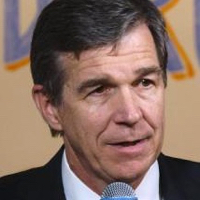
How much of this institutional resistance to exoneration owes to a tradition of prosecutorial blood-brotherhood? And how much springs directly (if not via email) from Attorney General Roy Cooper?
If Cooper took heed of Mumma’s thoughtful plea for “more cooperation between prosecutors and defense attorneys in their efforts to achieve justice,” evidence of it has yet to surface.
