Rascals case in brief
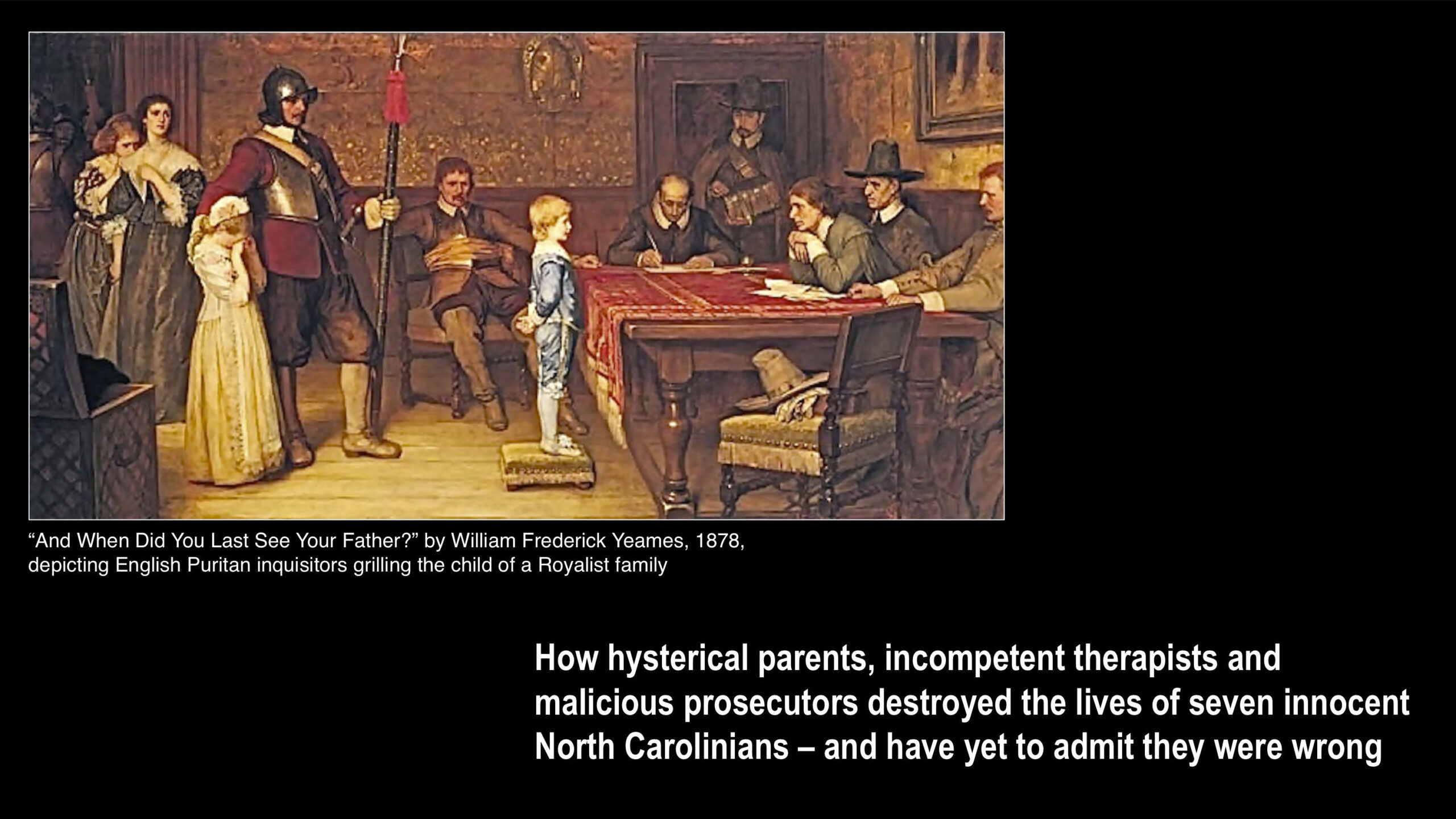
In the beginning, in 1989, more than 90 children at the Little Rascals Day Care Center in Edenton, North Carolina, accused a total of 20 adults with 429 instances of sexual abuse over a three-year period. It may have all begun with one parent’s complaint about punishment given her child.
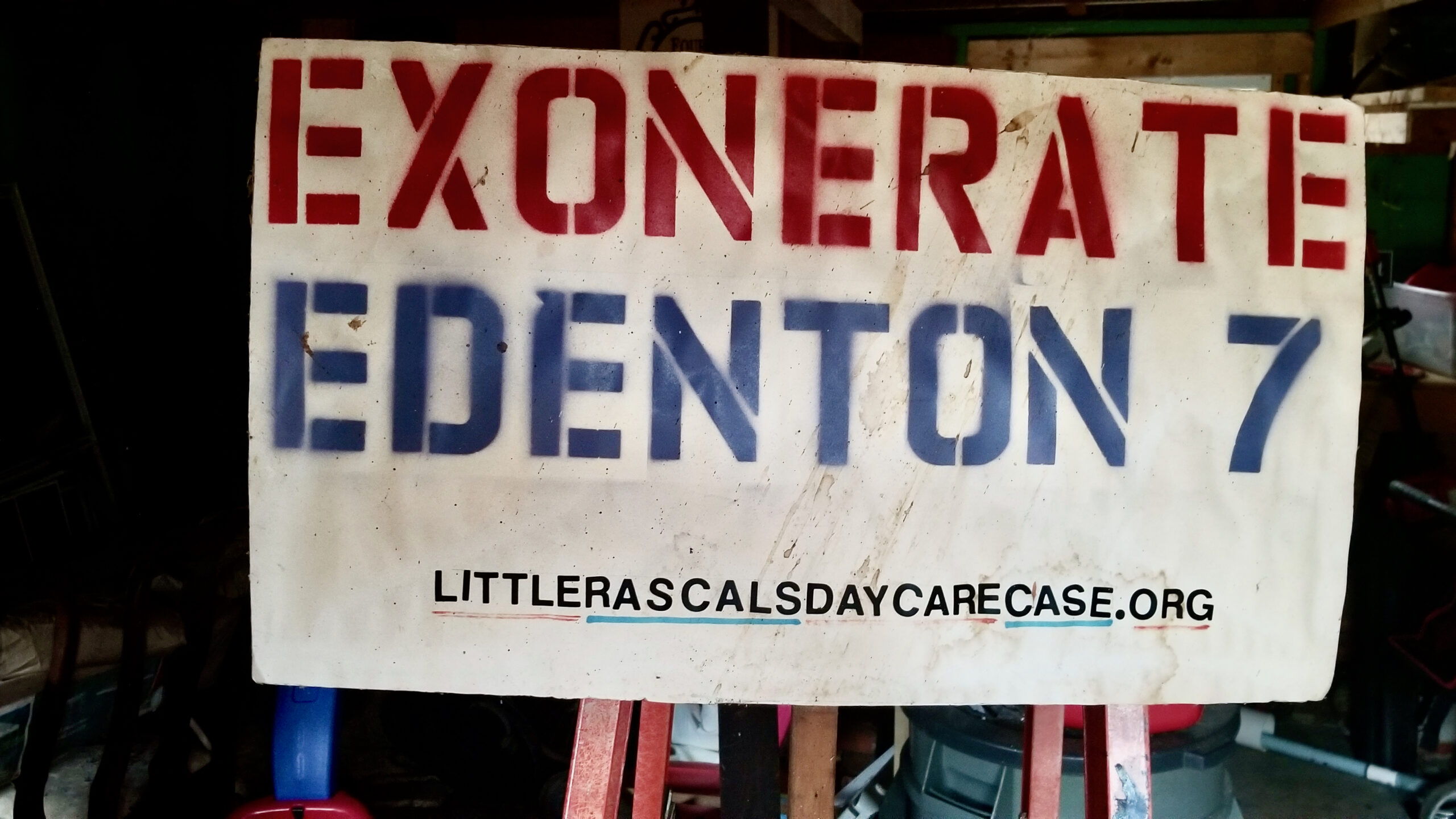
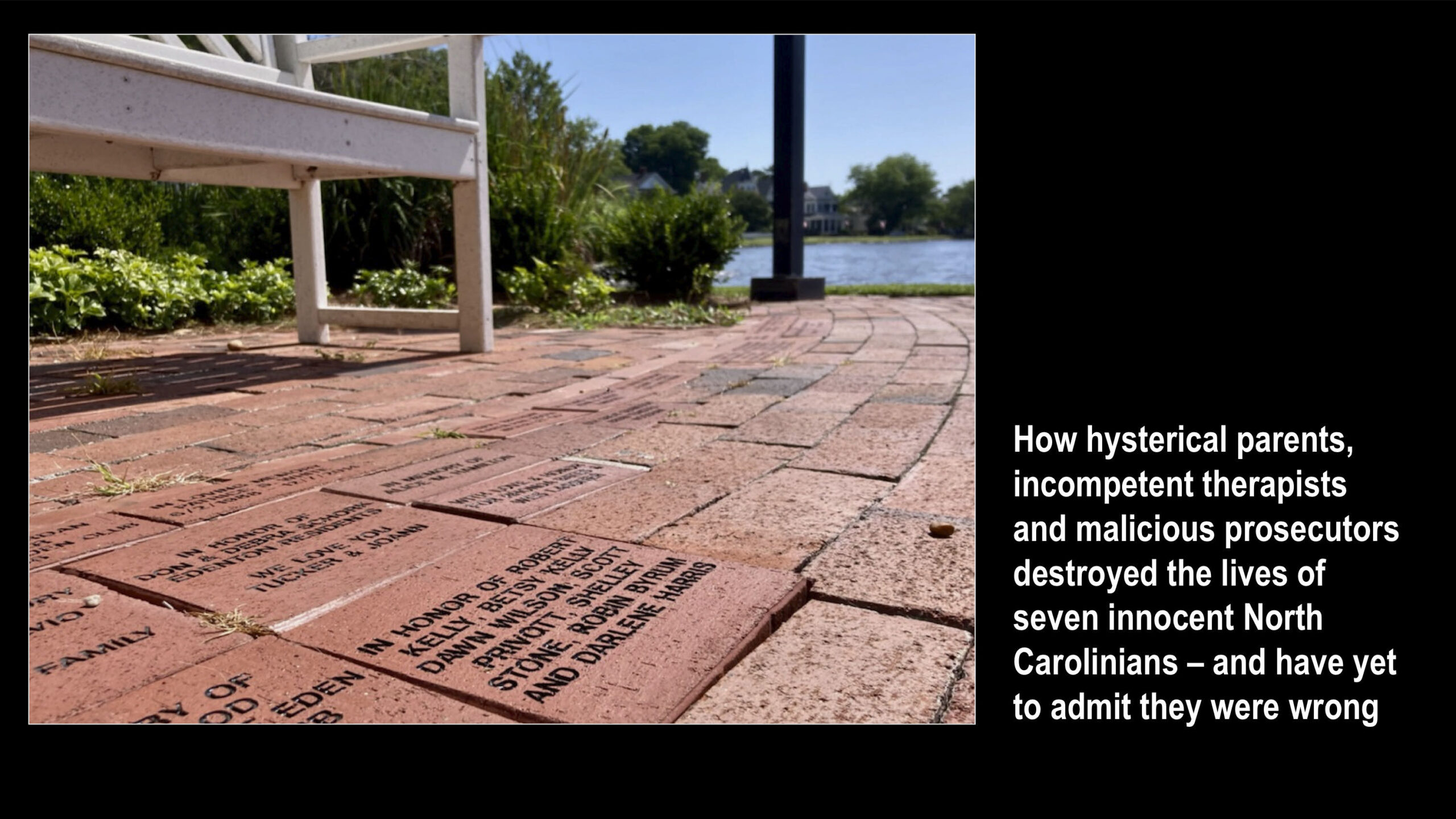
Among the alleged perpetrators: the sheriff and mayor. But prosecutors would charge only Robin Byrum, Darlene Harris, Elizabeth “Betsy” Kelly, Robert “Bob” Kelly, Willard Scott Privott, Shelley Stone and Dawn Wilson – the Edenton 7.
Along with sodomy and beatings, allegations included a baby killed with a handgun, a child being hung upside down from a tree and being set on fire and countless other fantastic incidents involving spaceships, hot air balloons, pirate ships and trained sharks.
By the time prosecutors dropped the last charges in 1997, Little Rascals had become North Carolina’s longest and most costly criminal trial. Prosecutors kept defendants jailed in hopes at least one would turn against their supposed co-conspirators. Remarkably, none did. Another shameful record: Five defendants had to wait longer to face their accusers in court than anyone else in North Carolina history.
Between 1991 and 1997, Ofra Bikel produced three extraordinary episodes on the Little Rascals case for the PBS series “Frontline.” Although “Innocence Lost” did not deter prosecutors, it exposed their tactics and fostered nationwide skepticism and dismay.
With each passing year, the absurdity of the Little Rascals charges has become more obvious. But no admission of error has ever come from prosecutors, police, interviewers or parents. This site is devoted to the issues raised by this case.
On Facebook


Little Rascals Day Care Case
This Facebook page is an offshoot of littlerascalsdaycarecase.org, which addresses the wrongful prosecution of the Edenton Seven and other such victims.

Meanwhile in Edenton....
This content isn't available right now
When this happens, it's usually because the owner only shared it with a small group of people, changed who can see it or it's been deleted.0 CommentsComment on Facebook
Allies for our cause!
This content isn't available right now
When this happens, it's usually because the owner only shared it with a small group of people, changed who can see it or it's been deleted.0 CommentsComment on Facebook
The courts have a long history of capriciously pulling the rug out from under Junior's appeals, but maybe this time....
This content isn't available right now
When this happens, it's usually because the owner only shared it with a small group of people, changed who can see it or it's been deleted.0 CommentsComment on Facebook
Click for earlier Facebook posts archived on this site
Click to go to

Today’s random selection from the Little Rascals Day Care archives….
Building a better mousetrap? Not exactly….
 Aug. 24, 2014
“The following dialogue is from Daniel Goleman’s article ‘Studies Reflect Suggestibility of Very Young as Witnesses,’ in the New York Times (June 11, 1993). It is an excerpt from 11 interviews of a four-year-old boy, who each week was told falsely: ‘You went to the hospital because your finger got caught in a mousetrap. Did this ever happen to you?’
“First Interview: ‘No. I’ve never been to the hospital.’
“Second Interview: ‘Yes. I cried.’
“Third Interview: ‘Yes. My mom went to the hospital with me.’
“Fourth Interview: ‘Yes. I remember. It felt like a cut.’
“Fifth Interview: ‘Yes.’ (Pointing to index finger….)
“Eleventh Interview: ‘Uh huh. My daddy, mommy, and my brother (took me to the hospital) in our van…. The hospital gave me . . . a little bandage, and it was right here’ (pointing to index finger).
“The interviewer then asked: ‘How did it happen?’
“ ‘I was looking and then I didn’t see what I was doing and it (finger) got in there somehow…. The mousetrap was in our house because there’s a mouse in our house…. The mousetrap is down in the basement next to the firewood…. I was playing a game called “Operation” and then I went downstairs and said to Dad, “I want to eat lunch” and then it got stuck in the mousetrap…. My daddy was down in the basement collecting firewood…. (My brother) pushed me into the mousetrap…. It happened yesterday. The mouse was in my house yesterday. I caught my finger in it yesterday. I went to the hospital yesterday.’ “
– From “Case Study of Implanted Memory” by Martin Gardner in Skeptical Inquirer (Fall 1994)
Does this experiment’s series of 11 interviews strike you as extreme? For at least one of the Little Rascals children, Judith Abbott, lead therapist for the prosecution, conducted biweekly sessions for six months!
Prosecutors couldn’t buy off ‘depraved’ defendants
Nov. 16, 2011
“The Little Rascals defendants never wavered in their contention that the allegations were untrue. Not one testified against the other, even though prosecutors commonly offer leniency to accused people in exchange for damning testimony.
“If the defendants were so depraved that they in fact sexually abused small children wholesale, how is it that none was tempted to ‘tell all’ to save his or her hide?”
– From an editorial in the Norfolk Virginian-Pilot (June 2, 1997)
‘Belief in a devil’ is essential to fanatics
Oct. 31, 2012
“Mass movements can rise and spread without a belief in God, but never without belief in a devil.”
– Eric Hoffer in his landmark analysis of fanaticism, “The True Believer” (1951)
Hoffer’s point was impressively made in the day-care mania. In no case I’ve found – in this country at least – did religion play a significant factor. To the contrary, several ministers and churches were on the receiving end of wrongful prosecution.
At long last, is APSAC cracking the door to recantation?

Oct. 5, 2016
Richard Wexler’s unequivocal recollection of how the American Professional Society on the Abuse of Children promoted the “satanic ritual abuse” day-care panic made me curious about what APSAC might have to say about the subject today.
I was startled to see this description of a presentation at the organization’s most recent (June 21-25) annual colloquium in New Orleans:
“From disco to pet rocks, our past is littered with things which make us wonder, what in the world were we thinking? The field of child maltreatment and interpersonal violence has certainly had its share of misguided ideas, from satanic ritual abuse hysteria to multiple personality disorder treatment centers. How did this field get so many things so wrong?”
Sorry I missed such a provocative self-examination! [I’ll post APSAC’s video soon.]
I asked Wexler, executive director of the National Coalition for Child Protection Reform, whether sanctioning the pet rock analogy might signify APSAC’s tacit disowning of the “satanic ritual abuse” myth.
“I wouldn’t call it disowning,” he said. “Over the years their position seems to have evolved into ‘Well, yes, some people may have been a little overzealous, but…’ At one point, even Roland Summit, in his ‘Tunnels’ article, no less, tried to cast himself as falling between two extremes in the debate.
“What they have not done, of course, is apologize to the children victimized by the McMartin madness, and withdraw the awards given to Summit and [Kee] MacFarlane.”
Nor, of course, have they apologized to the wrongfully prosecuted defendants in cases such as McMartin and Little Rascals.
