Rascals case in brief
In the beginning, in 1989, more than 90 children at the Little Rascals Day Care Center in Edenton, North Carolina, accused a total of 20 adults with 429 instances of sexual abuse over a three-year period. It may have all begun with one parent’s complaint about punishment given her child.
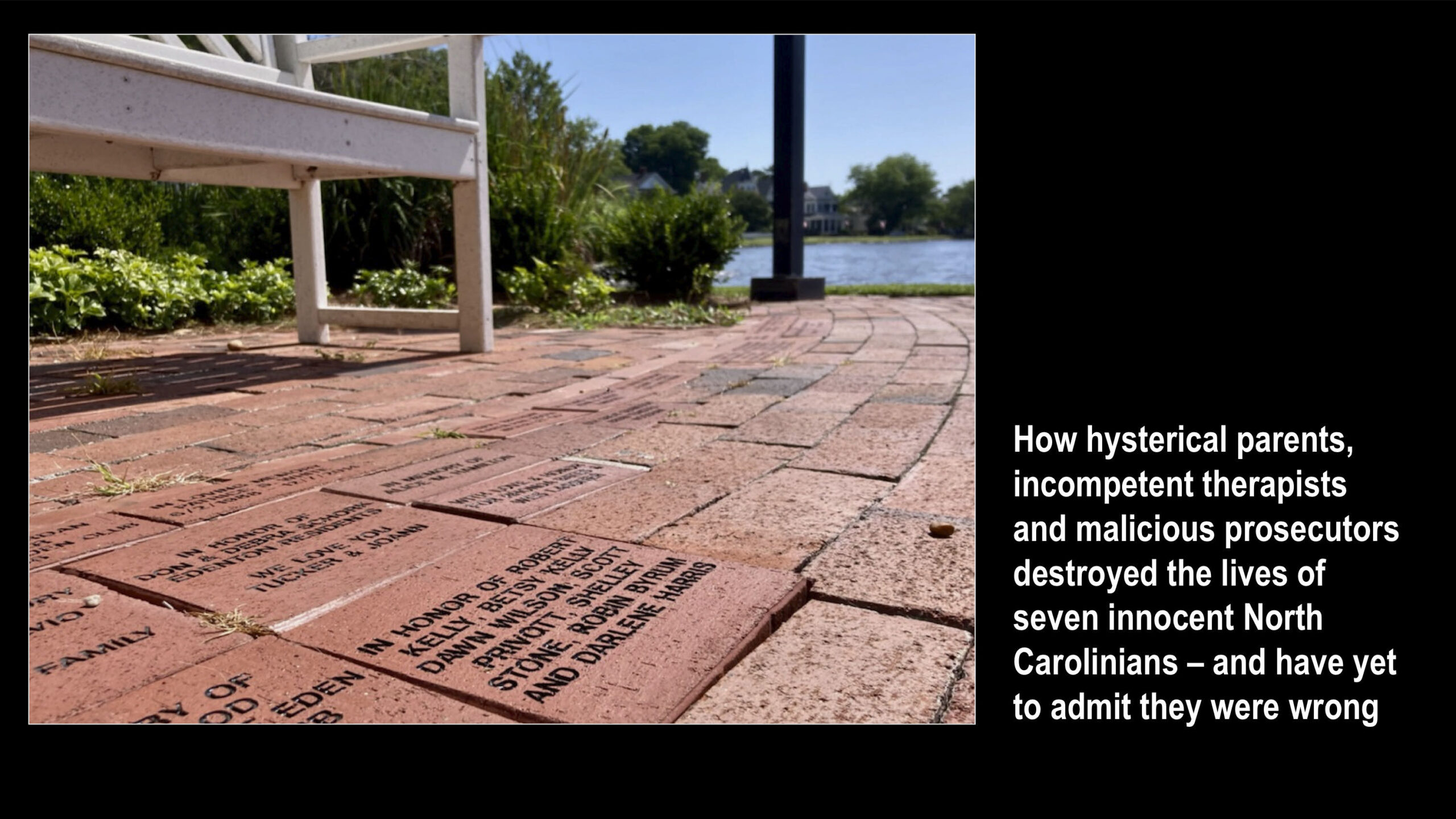
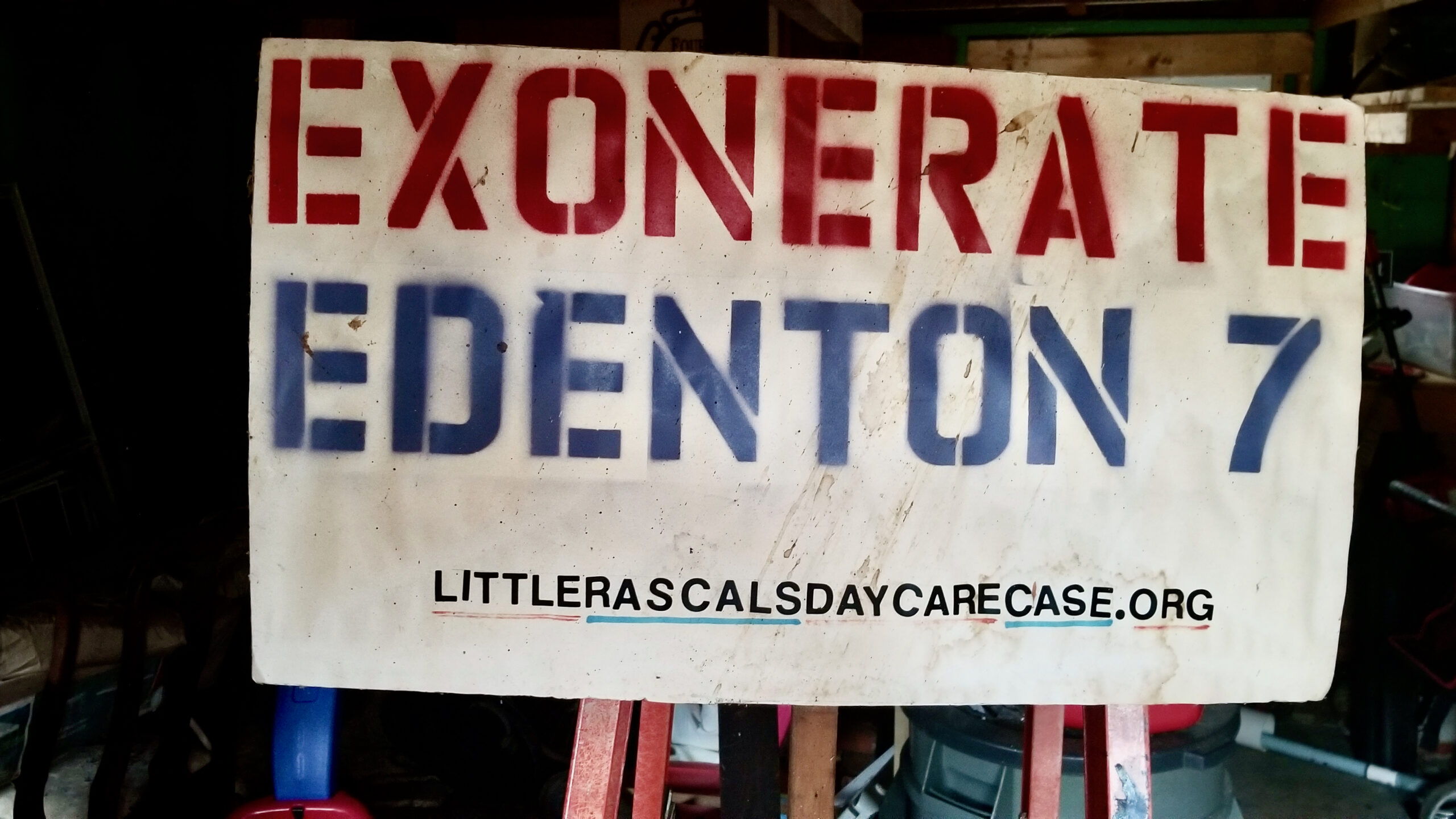
Among the alleged perpetrators: the sheriff and mayor. But prosecutors would charge only Robin Byrum, Darlene Harris, Elizabeth “Betsy” Kelly, Robert “Bob” Kelly, Willard Scott Privott, Shelley Stone and Dawn Wilson – the Edenton 7.
Along with sodomy and beatings, allegations included a baby killed with a handgun, a child being hung upside down from a tree and being set on fire and countless other fantastic incidents involving spaceships, hot air balloons, pirate ships and trained sharks.
By the time prosecutors dropped the last charges in 1997, Little Rascals had become North Carolina’s longest and most costly criminal trial. Prosecutors kept defendants jailed in hopes at least one would turn against their supposed co-conspirators. Remarkably, none did. Another shameful record: Five defendants had to wait longer to face their accusers in court than anyone else in North Carolina history.
Between 1991 and 1997, Ofra Bikel produced three extraordinary episodes on the Little Rascals case for the PBS series “Frontline.” Although “Innocence Lost” did not deter prosecutors, it exposed their tactics and fostered nationwide skepticism and dismay.
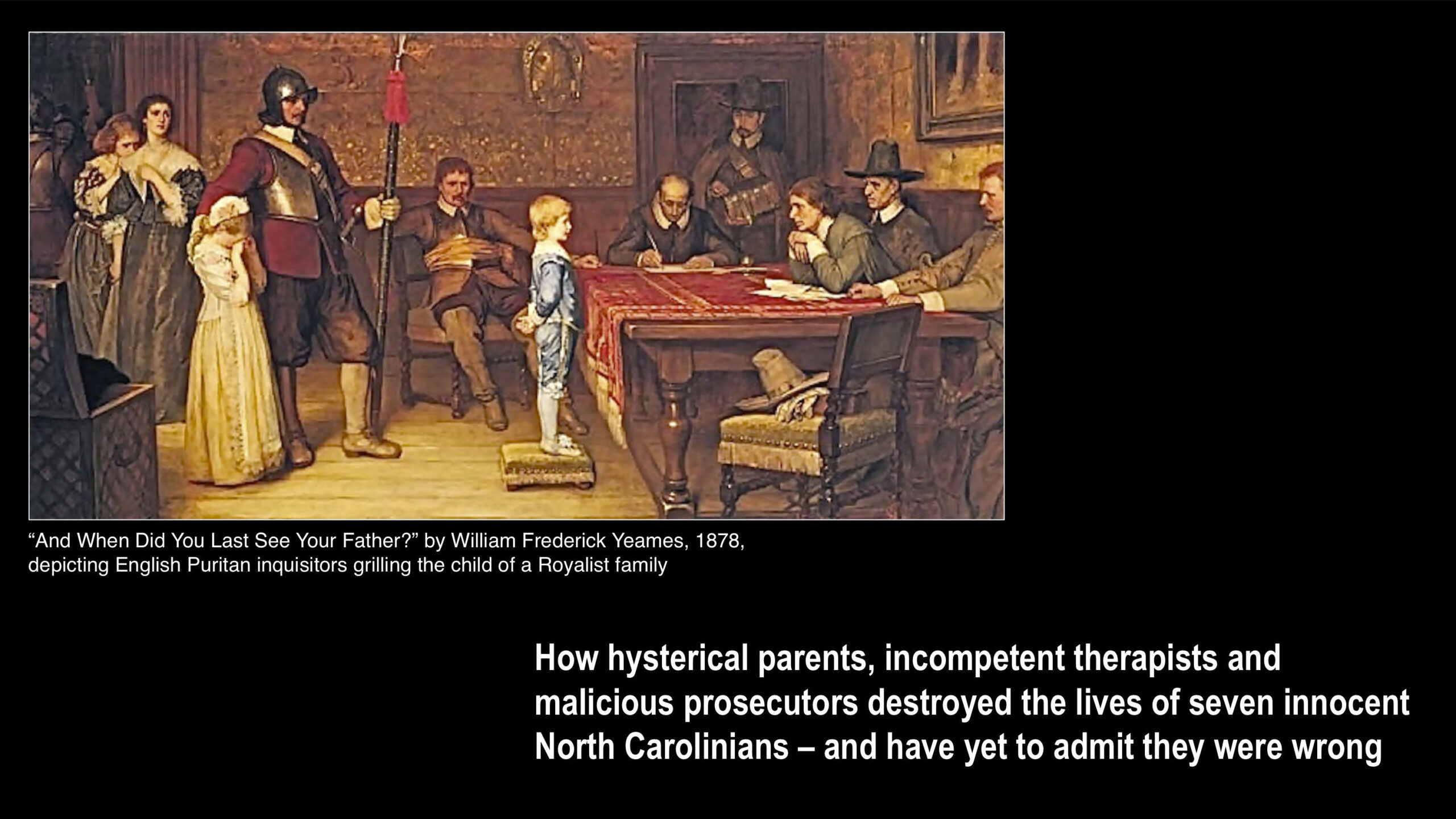
With each passing year, the absurdity of the Little Rascals charges has become more obvious. But no admission of error has ever come from prosecutors, police, interviewers or parents. This site is devoted to the issues raised by this case.
On Facebook


Little Rascals Day Care Case
This Facebook page is an offshoot of littlerascalsdaycarecase.org, which addresses the wrongful prosecution of the Edenton Seven and other such victims.

Meanwhile in Edenton....
This content isn't available right now
When this happens, it's usually because the owner only shared it with a small group of people, changed who can see it or it's been deleted.0 CommentsComment on Facebook
Allies for our cause!
This content isn't available right now
When this happens, it's usually because the owner only shared it with a small group of people, changed who can see it or it's been deleted.0 CommentsComment on Facebook
The courts have a long history of capriciously pulling the rug out from under Junior's appeals, but maybe this time....
This content isn't available right now
When this happens, it's usually because the owner only shared it with a small group of people, changed who can see it or it's been deleted.0 CommentsComment on Facebook
Click for earlier Facebook posts archived on this site
Click to go to

Today’s random selection from the Little Rascals Day Care archives….
All those bizarre sex crimes – yet not a single witness?
June 14, 2013
Among visitors to Edenton during the Little Rascals prosecution was Margaret Leong, a Chapel Hill poet who worked with preschool children. In her book “Magical Child Molestation Trials: Edenton’s Children Accuse” (1993) she recounted this instructive episode:
“Edenton’s citizens (are neither blind nor) deaf – a fact I learned my first morning there, when I slipped on a downtown sidewalk and turned my ankle. In no time at all, several kind people helped me into a taxi. That evening, a mile away in an Italian restaurant, at least three strangers came over to ask how my ankle was.
“Thus I must conclude that the observational skills of the good people of Edenton are on a par with folks in other small towns. And if not one Edentonian saw a hint of even one sex crime out of (the alleged) 450, then perhaps no crimes were committed.”
UNCG professor showed no tolerance for skepticism
 Feb. 13, 2012
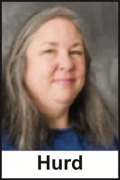
“It is evident that, although mistakes were made in the handling of the (Little Rascals) case, these children definitely were sexually abused by one or more individuals at the day care center. To suggest otherwise is to revictimize these smallest victims.
“As a professor of social work at UNCG whose specialty is child abuse, I would like the public to be aware that research has shown that 97-99 out of 100 children who report that they have been sexually abused are telling the truth. When a child tells you that an unauthorized adult is ‘playing doctor’ with him/her, it is highly likely that he/she is describing some sort of abuse.
“If you do not believe the child, you become part of the victimization of that child. If you believe that detection and prosecution of child abuse cases are witch hunts, then you protect child molesters and allow them to continue to traumatize children. I cannot imagine that the responsible people of this state want to put themselves on the side of criminals who abuse children.”
Elisabeth Porter Hurd, Greensboro
– From a letter to the editor of the Greensboro News & Record, June 9, 1997
Does Dr. Hurd still believe that the Little Rascals children “definitely were sexually abused”? And that to doubt the prosecution’s case was to “protect child molesters and allow them to continue to traumatize children”?
Last week I asked Dr. Hurd whether she might have changed her mind – so far no response.
‘And believes to this day she was molested….’
 Oct. 7, 2013
“Today (in 2001), few contend that the interview techniques used at the outset of the Fells Acres child abuse investigation, in 1984, were proper and reliable. Middlesex County (Mass.) prosecutors admitted to appellate judges in the 1990s that those techniques – characterized by repeated suggestive questioning about molestation despite initial avowals by the children that nothing of that kind occurred – would not be employed today.
“In 1998, Superior Court Judge Isaac Borenstein ruled that under current Massachusetts law, the manner in which the Fells Acres children were first interrogated would have constituted grounds to have the case dismissed.
“That questioning included hundreds of taped episodes such as this:
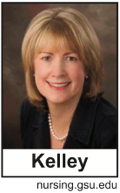
- Pediatric interviewer (Susan J. Kelley): “Did the clown touch you?”
- Child witness: “No. …”
- Interviewer: “You said the clown took your clothes off. …”
- Child: “Yeah. …”
- Interviewer: “What happened?”
- Child: “Well, nothing really.”
- Interviewer: “Did the clown touch … Will you show me if the clown touched any part of you?”
- Child: “No, he didn’t touch me.”
“The child interviewed in the above example testified against Gerald Amirault at his 1986 trial, and believes to this day that she was molested by an ‘evil clown.’ ”
– From “Memories questioned, but victim still certain of ‘evil’…. Studies say kids can be easily led” by Tom Mashberg in the Boston Herald (July 8, 2001)
So what happens to the professional prospects of a “pediatric interviewer” whose ludicrously biased questioning led to the conviction of not only Gerald Amirault, but also his mother and sister? In the short term, Susan J. Kelley had to endure even her prosecutorial allies disavowing her “suggestive techniques.”
Soon, however, Kelley’s career was back on track, unimpeded by the tragedy wrought by her blindered incompetence. She has never apologized…. although her lengthy current resume does omit mention of her role in the day-care ritual-abuse hoax, either as a prosecutorial interviewer or as an academic apologist.
‘Satanic ritual abuse’ loses its place in textbook
 April 26, 2013
By 1997, when the college textbook “Family Violence Across the Lifespan” was first published, the most grievous excesses of the day-care ritual-abuse panic had passed (although it would be two more years before Little Rascals prosecutors dropped a final, unrelated charge against Bob Kelly).
The authors, social scientists at Pepperdine University, devoted entire sections to “Do Children Fabricate Reports of Child Sexual Abuse?” and “The Satanic Ritual Abuse Controversy.” More on those issues here.
Their approach is thoughtfully skeptical, but they can’t quite bring themselves to call baloney on those peers whose ill-conceived claims ginned up the “controversy” or whose gullibility prolonged it. For example:
“If there is so little evidence confirming the existence of SRA, why do so many perceive the SRA threat to be real? One reason is that… therapists, police officers and child protection authorities, who are often required to attend seminars on current developments in their field, are exposed to SRA ‘experts’…. These seminars tend to employ proselytizing techniques characteristic of organizations seeking recruits. Many well-meaning helping professionals, who are generally motivated by the desire to help abused clients, become convinced of the existence of SRA through these seminars (such as the one at Kill Devil Hills)….”
“Family Violence…” has proved popular enough to justify a third edition (2011), in which all mention of ritual abuse has been removed.
I asked sociologist Robin D. Perrin, one of the authors, to trace his thinking on the subject between editions.
“I suppose one could argue that the ‘Satanic Ritual Abuse’ issue is a bit dated at this point,” he replied, “as the Satanism scare has mostly faded into the sunset. But it is still a fascinating page in history, if nothing else….
“As for our approach on these issues, I think ‘thoughtfully skeptical’ is probably fair. You are correct that we fall far short of an outright denial of the validity of all ritual abuse claims. I am quite certain we are not in position to do that. In fact, given the history of mistreatment of children (both ‘then’ and ‘now’) I have no doubt that ‘ritual’ abuse has occurred (depending on how it is defined, of course).”