Rascals case in brief
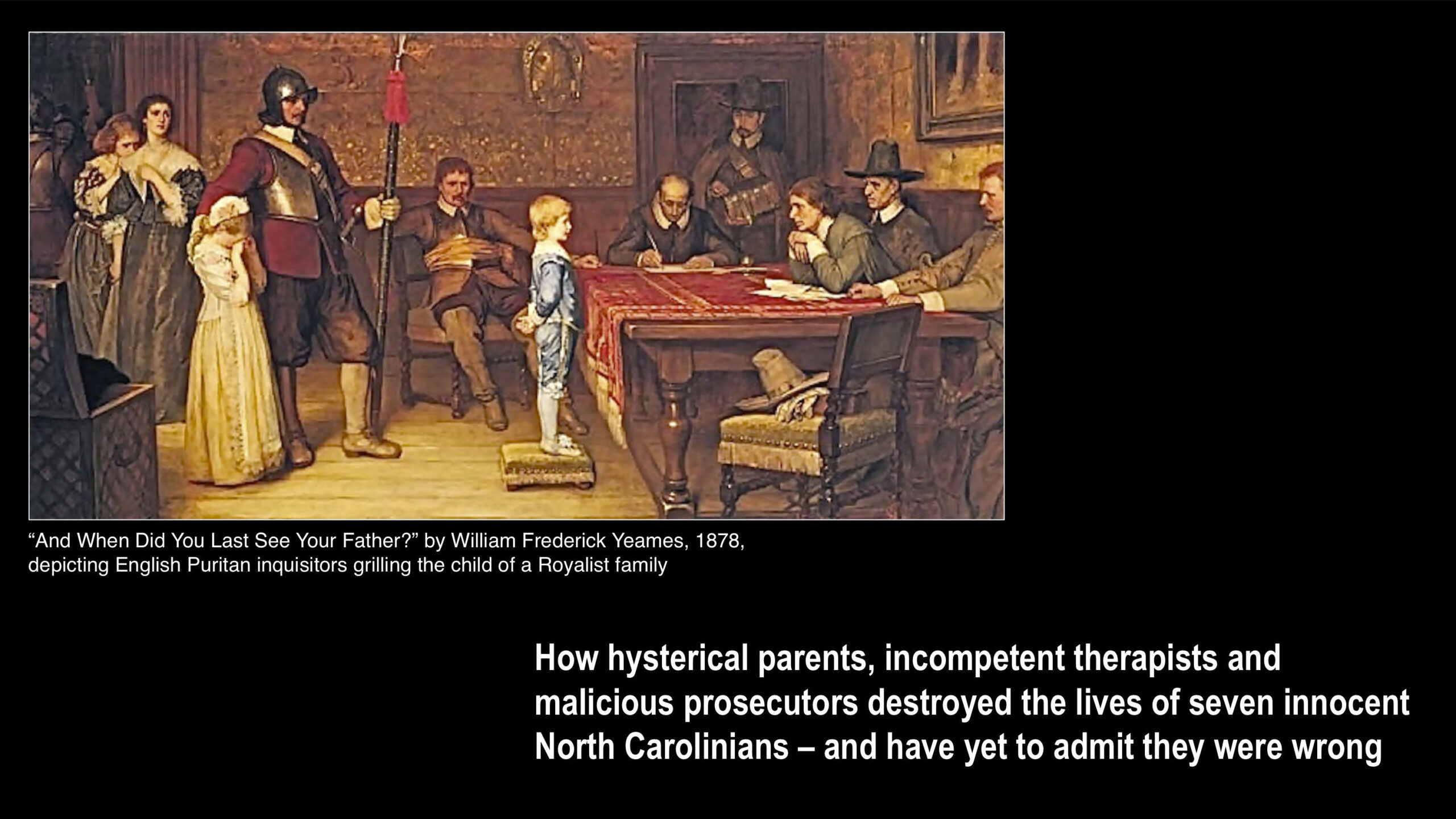
In the beginning, in 1989, more than 90 children at the Little Rascals Day Care Center in Edenton, North Carolina, accused a total of 20 adults with 429 instances of sexual abuse over a three-year period. It may have all begun with one parent’s complaint about punishment given her child.
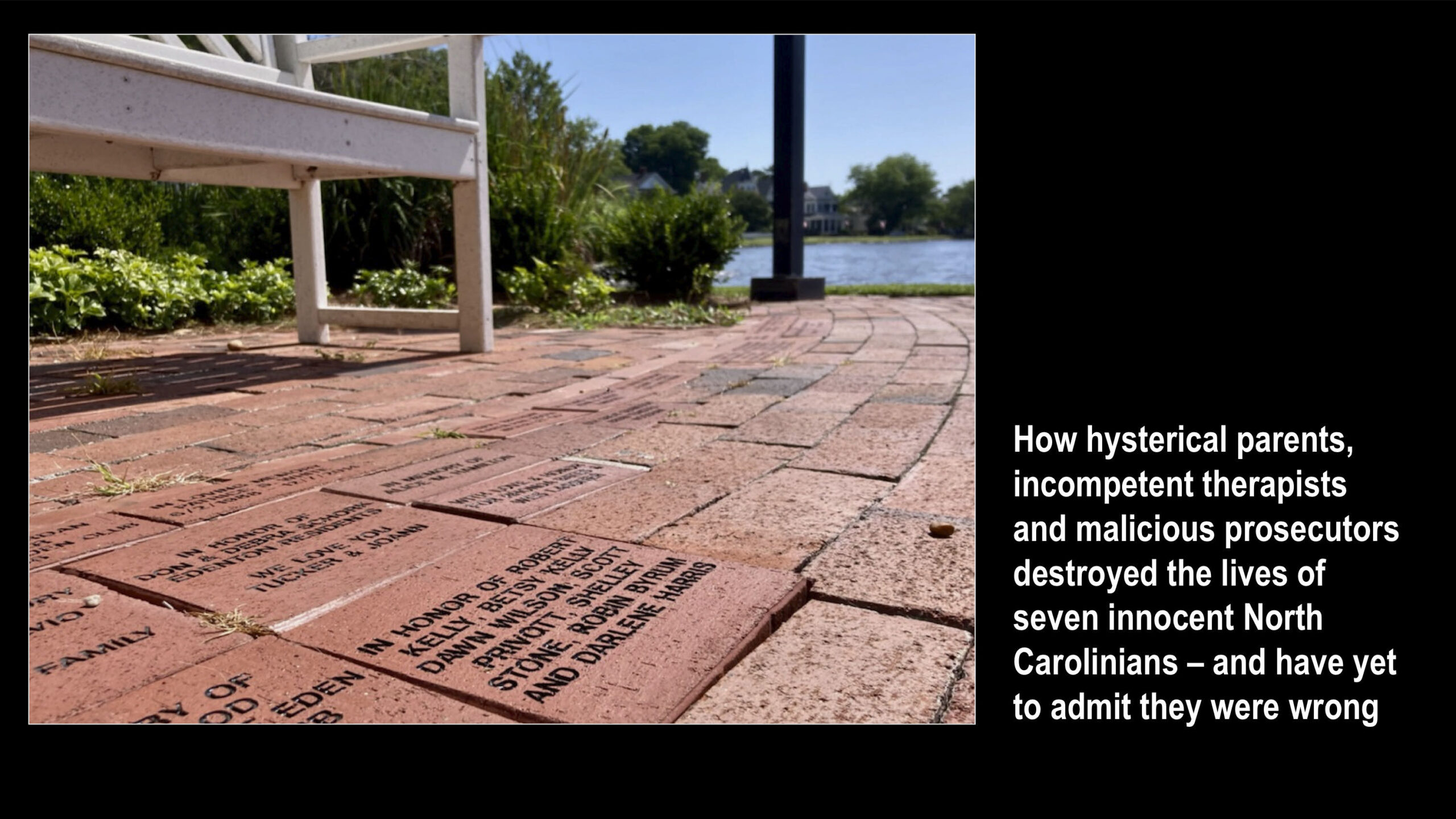
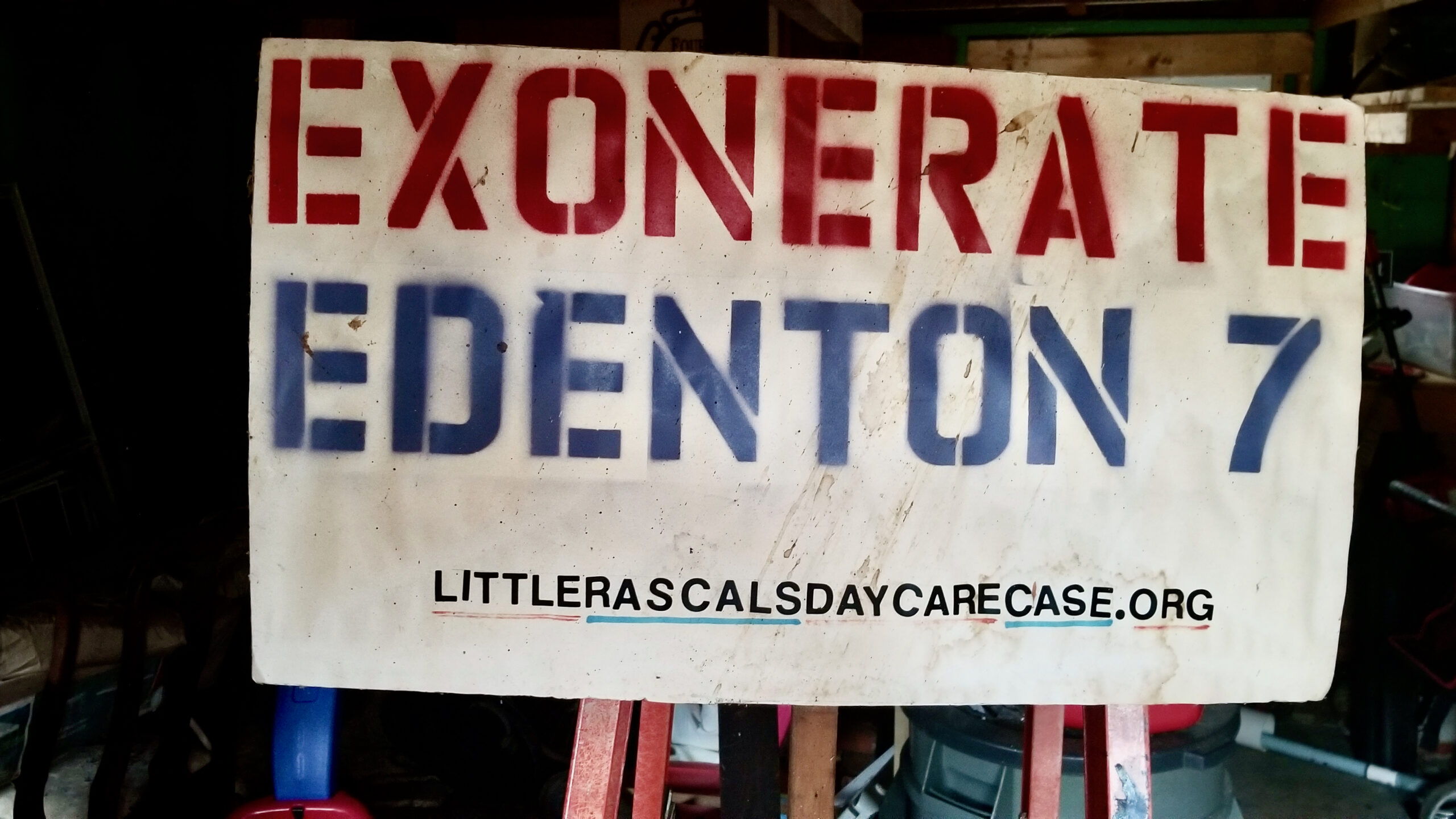
Among the alleged perpetrators: the sheriff and mayor. But prosecutors would charge only Robin Byrum, Darlene Harris, Elizabeth “Betsy” Kelly, Robert “Bob” Kelly, Willard Scott Privott, Shelley Stone and Dawn Wilson – the Edenton 7.
Along with sodomy and beatings, allegations included a baby killed with a handgun, a child being hung upside down from a tree and being set on fire and countless other fantastic incidents involving spaceships, hot air balloons, pirate ships and trained sharks.
By the time prosecutors dropped the last charges in 1997, Little Rascals had become North Carolina’s longest and most costly criminal trial. Prosecutors kept defendants jailed in hopes at least one would turn against their supposed co-conspirators. Remarkably, none did. Another shameful record: Five defendants had to wait longer to face their accusers in court than anyone else in North Carolina history.
Between 1991 and 1997, Ofra Bikel produced three extraordinary episodes on the Little Rascals case for the PBS series “Frontline.” Although “Innocence Lost” did not deter prosecutors, it exposed their tactics and fostered nationwide skepticism and dismay.
With each passing year, the absurdity of the Little Rascals charges has become more obvious. But no admission of error has ever come from prosecutors, police, interviewers or parents. This site is devoted to the issues raised by this case.
On Facebook


Little Rascals Day Care Case
This Facebook page is an offshoot of littlerascalsdaycarecase.org, which addresses the wrongful prosecution of the Edenton Seven and other such victims.

Meanwhile in Edenton....
This content isn't available right now
When this happens, it's usually because the owner only shared it with a small group of people, changed who can see it or it's been deleted.0 CommentsComment on Facebook
Allies for our cause!
This content isn't available right now
When this happens, it's usually because the owner only shared it with a small group of people, changed who can see it or it's been deleted.0 CommentsComment on Facebook
The courts have a long history of capriciously pulling the rug out from under Junior's appeals, but maybe this time....
This content isn't available right now
When this happens, it's usually because the owner only shared it with a small group of people, changed who can see it or it's been deleted.0 CommentsComment on Facebook
Click for earlier Facebook posts archived on this site
Click to go to

Today’s random selection from the Little Rascals Day Care archives….
Who do that voodoo? Why, prosecution’s ‘experts’
Nov. 14, 2012
“Prosecutors building these high-profile cases well understood the problems posed by the strange charges and the fantasy-riddled narratives of the child plaintiffs. How could they make credible to jurors the extraordinary prowess of defendants who could assault whole classes of preschoolers daily, dressing and undressing 20 or more, all accomplished in a half hour’s time, in a busy school, with no one noticing, no child ever sent home with mismatched socks?…
“Jurors had to be given a reason that 4-year-olds could be raped with butcher knives that left them uninjured, could be tied naked to trees and raped in broad daylight….
“The state’s solution lay with their experts – witnesses who could explain and render such mysteries comprehensible.”
– From “No Crueler Tyrannies: Accusation, False Witness and other Terrors of Our Times” by Dorothy Rabinowitz (2003)
Ah, those invaluable mystery-solving experts – such as Eileen Treacy of the Kelly Michaels trial, Kee MacFarlane of McMartin and of course Mark “Where there’s smoke….” Everson of Little Rascals.
What would prosecutors have done without them? (Probably, a helluva lot less harm.)
Another century, another generation of fake victims

Dec. 8, 2015
“It is over 20 years since the rash of allegation that rituals of devil worship, including the sexual abuse of children, the sacrifice, and (sometimes) eating, of animals, children and even babies as well as other extreme acts of depravity were being conducted across the U.K. In 1994 I reported to the Department of Health that in the 84 cases in England and Wales that were the basis of my research, I could find no supporting evidence for the existence of such a satanic cult.
“The allegations have not stopped however, although they no longer get the publicity they used to have as, officially, satanic or ritual abuse no longer exists. It is not mentioned in guidance to social workers on the subject of abuse of children. However, a particularly unpleasant case that occurred in Hampstead in 2014 has recently been widely reported in the press….
“The persistence of these allegations into the 21st century repeats the questions that I thought I had answered at the end of the 20th! This is, first: how is it that ‘victims’ can tell stories of gruesome experiences that they never had? Secondly: how is it that adults, many of them sensible, educated people, believe these stories?….”
– From “Jean La Fontaine on Satanic Ritual Abuse Panic” at the British False Memory Society (Nov. 19)
If anyone deserves pardon, why not Edenton Seven?
May 30, 2012
Is the case for pardoning the Wilmington 10 any more compelling than that for pardoning the Edenton Seven?
As the N&O’s Bruce Siceloff points out, “Somebody firebombed Mike’s Grocery, a white-owned store in a black Wilmington neighborhood, during three days of racial violence in February 1971. When firefighters and police came to put out the blaze, somebody fired shots at them.”
In Edenton, by contrast, no crime was committed, making exoneration all the more challenging: There’s no alternative “somebody” to point to.
A last chance at freedom – or the end of the road
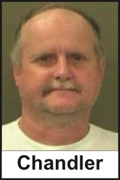 Feb. 15, 2012
I asked Mark Montgomery for an update on Junior Chandler’s latest appeal of his two life sentences for child sexual abuse:
“There are two prongs to the appeal. First, I am asking the N.C. Supreme Court to simply do the right thing by Junior. The Court said in 2010 that expert testimony like that in Junior’s case is (and was) inadmissible. That being the case, it is fundamentally unfair for Junior to be facing the rest of his life in prison, when many defendants have been freed because this sort of testimony was used against them at trial.
“Second, Junior’s lawyer objected to the testimony but did not raise the issue on appeal. I argued in a motion in Superior Court that the lawyer was ineffective for abandoning the issue. The Superior Court judge denied the motion without a hearing. If the Supreme Court will not itself set aside Junior’s convictions, it should at least require a hearing on trial counsel’s conduct.”
This is how the process works: “Petitions such as Junior’s go to one of the six associate justices. He or she decides what should be done and then presents the case to the court as a whole in a monthly (sort of) closed door meeting. The justices then vote on whether to grant the petition. If the Court grants the petition, it usually requires full briefs from both parties, but may decide the case of the basis of the petition and the State’s response alone.
“If it denies the petition, that’s the end of the road.”
The court could respond as early as April 13, according to this chart of petitions allowed and denied.