Rascals case in brief
In the beginning, in 1989, more than 90 children at the Little Rascals Day Care Center in Edenton, North Carolina, accused a total of 20 adults with 429 instances of sexual abuse over a three-year period. It may have all begun with one parent’s complaint about punishment given her child.
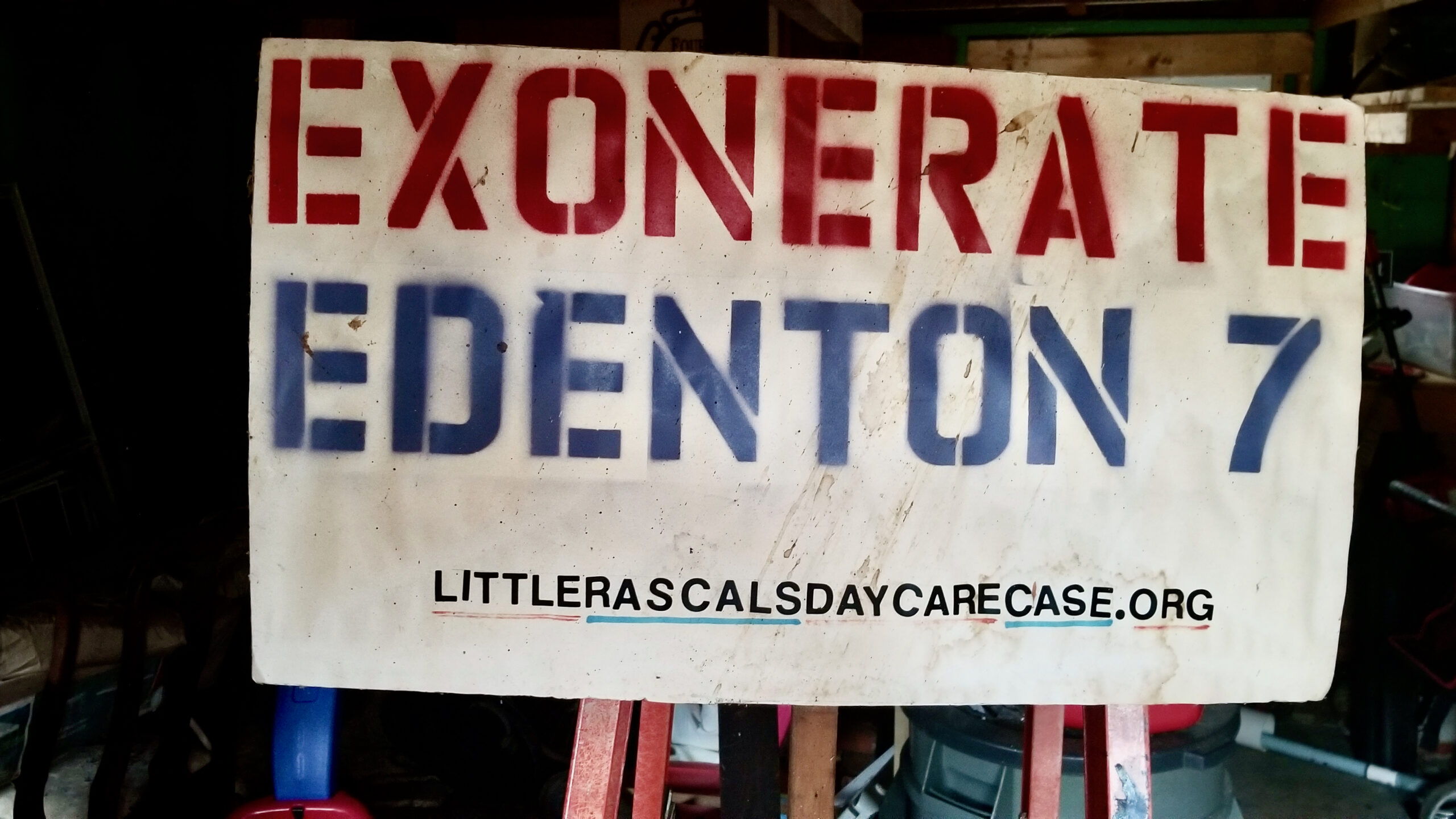
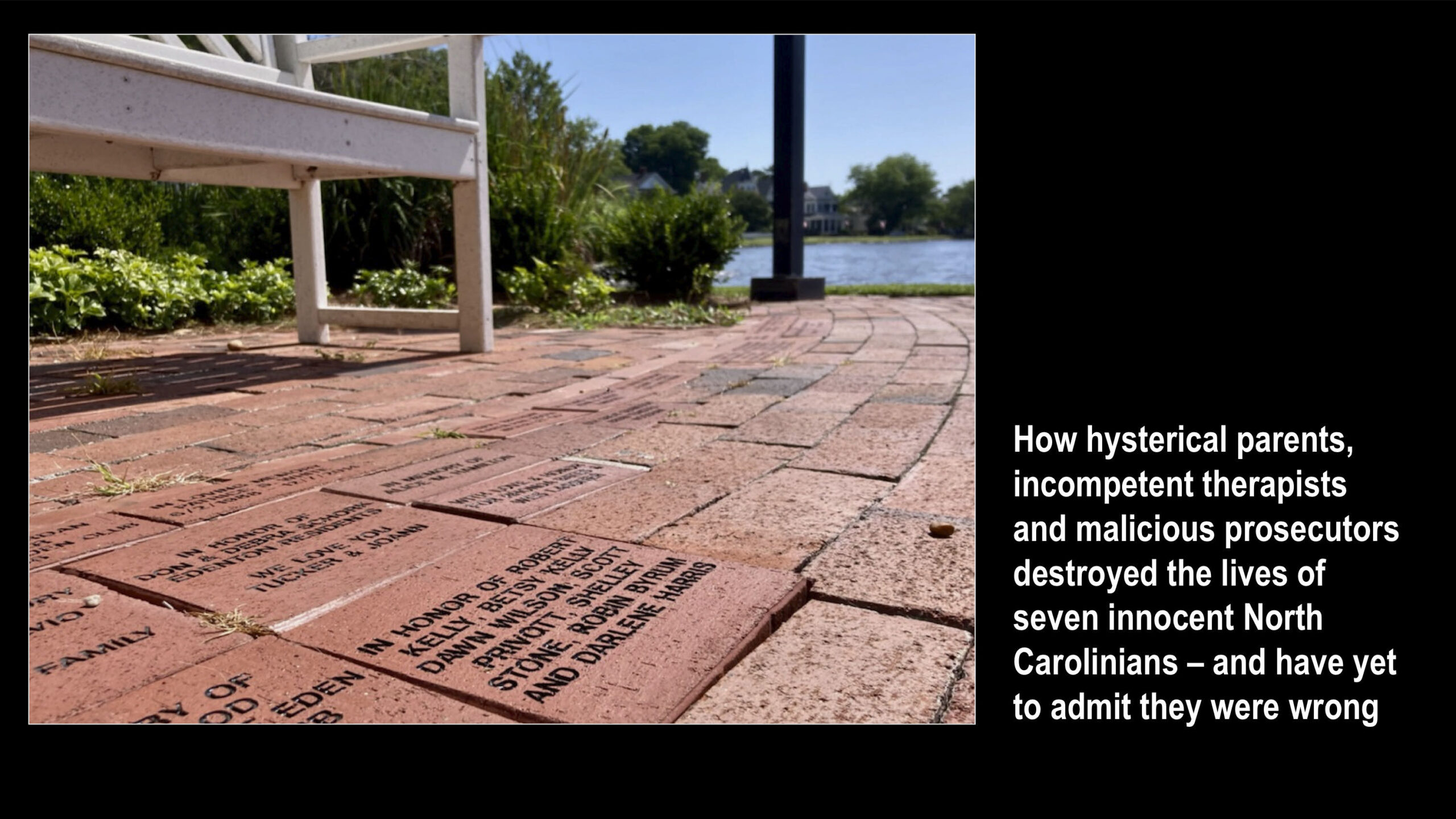
Among the alleged perpetrators: the sheriff and mayor. But prosecutors would charge only Robin Byrum, Darlene Harris, Elizabeth “Betsy” Kelly, Robert “Bob” Kelly, Willard Scott Privott, Shelley Stone and Dawn Wilson – the Edenton 7.
Along with sodomy and beatings, allegations included a baby killed with a handgun, a child being hung upside down from a tree and being set on fire and countless other fantastic incidents involving spaceships, hot air balloons, pirate ships and trained sharks.
By the time prosecutors dropped the last charges in 1997, Little Rascals had become North Carolina’s longest and most costly criminal trial. Prosecutors kept defendants jailed in hopes at least one would turn against their supposed co-conspirators. Remarkably, none did. Another shameful record: Five defendants had to wait longer to face their accusers in court than anyone else in North Carolina history.
Between 1991 and 1997, Ofra Bikel produced three extraordinary episodes on the Little Rascals case for the PBS series “Frontline.” Although “Innocence Lost” did not deter prosecutors, it exposed their tactics and fostered nationwide skepticism and dismay.
With each passing year, the absurdity of the Little Rascals charges has become more obvious. But no admission of error has ever come from prosecutors, police, interviewers or parents. This site is devoted to the issues raised by this case.
On Facebook


Little Rascals Day Care Case
This Facebook page is an offshoot of littlerascalsdaycarecase.org, which addresses the wrongful prosecution of the Edenton Seven and other such victims.

Meanwhile in Edenton....
This content isn't available right now
When this happens, it's usually because the owner only shared it with a small group of people, changed who can see it or it's been deleted.0 CommentsComment on Facebook
Allies for our cause!
This content isn't available right now
When this happens, it's usually because the owner only shared it with a small group of people, changed who can see it or it's been deleted.0 CommentsComment on Facebook
The courts have a long history of capriciously pulling the rug out from under Junior's appeals, but maybe this time....
This content isn't available right now
When this happens, it's usually because the owner only shared it with a small group of people, changed who can see it or it's been deleted.0 CommentsComment on Facebook
Click for earlier Facebook posts archived on this site
Click to go to

Today’s random selection from the Little Rascals Day Care archives….
A lack of reporters ‘sufficiently passionate to get at this story’?
July 8, 2016
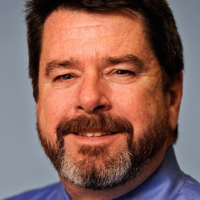
“As for an ‘investigative’ piece about the Kelly case that would get to the ‘truth,’ we will have to see if we have any staff members who are sufficiently passionate to get at this story….”
– From News & Observer executive editor Frank Daniels III’s reply (June 10, 1992) to a plea for coverage from Jane W. Duffield of the Committee to Support the Edenton Seven
Daniels’ predecessor, Claude Sitton, lamented later that “my greatest mistake (was) my failure as editor… to make sure we had a top-notch investigative reporter on the Little Rascals case.”
I’ve asked Daniels to share his own recollections of the paper’s coverage, but haven’t heard back.

Johnny Small freed, now deserves pardon of innocence
Sept. 14, 2016
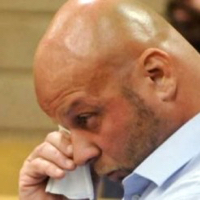
“[Chris] Mumma said she intends to request a pardon for [Johnny] Small from Gov. Pat McCrory. In order for Small to be compensated for the years he spent in prison, he has to be exonerated of the charges on the grounds that he did not commit the crime. Under North Carolina law, the Industrial Commission can award exonerees $50,000 for each year spent in prison up to a maximum of $750,000. Exonerees also are eligible for job training and college tuition….”
– From “Johnny Small’s freedom makes some question if investigator should be charged” by F.T. Norton in the Wilmington Star-News (Sept. 9)
Let’s hope McCrory responds more willingly and humanely than he did in finally pardoning Henry McCollum and Leon Brown.
Case closed, Governor – no reinvestigation needed!
Professor yet to decide about McMartin case
 June 28, 2013
“Children can lie, but research shows that they do not fabricate detailed descriptions of adult sexual acts unless they have experienced or witnessed them. Studies also show that children have good memories and that even preschoolers can remember key events like sexual abuse. One problem is that repeatedly molested children have great difficulty distinguishing one act of abuse from another and linking abuse to specific dates….
“In the McMartin case, we learned… to minimize the use of leading questions during interviews…. While the verdict comes as a disappointment to the children in the case, their courage and willingness to testify for weeks on end has been a catalyst for change that will protect countless other children.”
– From Believe the Children adviser Civia Tamarkin’s interview with John E. B. Myers, professor at McGeorge School of Law, University of the Pacific, in “The McMartin Nightmare” (People magazine, Feb. 5, 1990)
As his faculty bio notes, Professor Myers has long been “one of the country’s foremost authorities on child abuse,” especially in tracing its historical context, but he seems to have been excruciatingly slow to recognize the fraudulence of “satanic ritual abuse” claims. Although he stopped short of declaring the McMartins guilty, Myers clearly stationed himself in the “child saver” camp, more sympathetic toward serial interviewer Kee MacFarlane than toward the defendants whose lives she devastated.
In a journal article five years later, Myers would acknowledge “growing skepticism regarding children’s credibility,” at the same time warning of a “real danger that the pendulum will swing too far in the direction of disbelief.”
More recently, Myers addressed McMartin in “Child Protection in America: Past, Present, and Future” (2006), crediting it with raising the standard for interviewing, but concluding that “In the final analysis, we will never know what happened at the McMartin Preschool. From the outset, the case divided people into ‘true believers’ and skeptics….”
In “The Backlash: Child Protection Under Fire” (1994) Myers had added a most curious footnote: “I have no opinion regarding the guilt or innocence of any of the McMartin defendants.” How could he – a law professor! – acknowledge the corruption of the child-witnesses’ testimony, yet doubt the defendants deserved a “not guilty” verdict?
Almost 20 years later, I wondered whether Myers might have formed an opinion.
His emailed response: “No idea about guilt or innocence.”
Esteemed psychiatrist analyzes Trump – and Junior Chandler
Sept. 18, 2017
Allen Frances, professor emeritus of psychiatry at Duke University, has been generating lots of attention with his provocative and important new book, “Twilight of American Sanity: A Psychiatrist Analyzes the Age of Trump.”
What better time to look back at Dr. Frances’s 2014 call to correct the “egregious injustice” committed by the State of North Carolina against Junior Chandler.