Rascals case in brief
In the beginning, in 1989, more than 90 children at the Little Rascals Day Care Center in Edenton, North Carolina, accused a total of 20 adults with 429 instances of sexual abuse over a three-year period. It may have all begun with one parent’s complaint about punishment given her child.
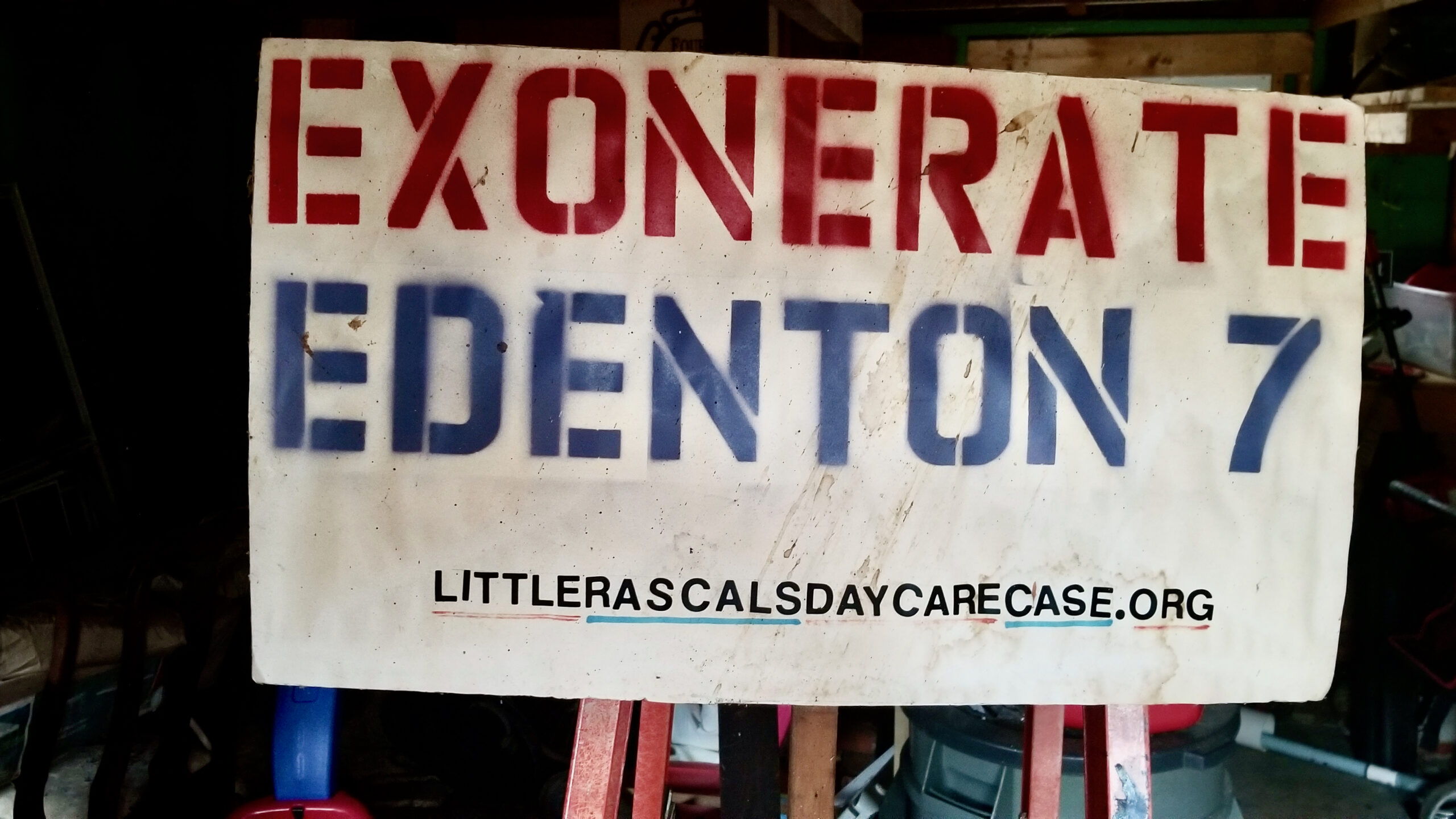
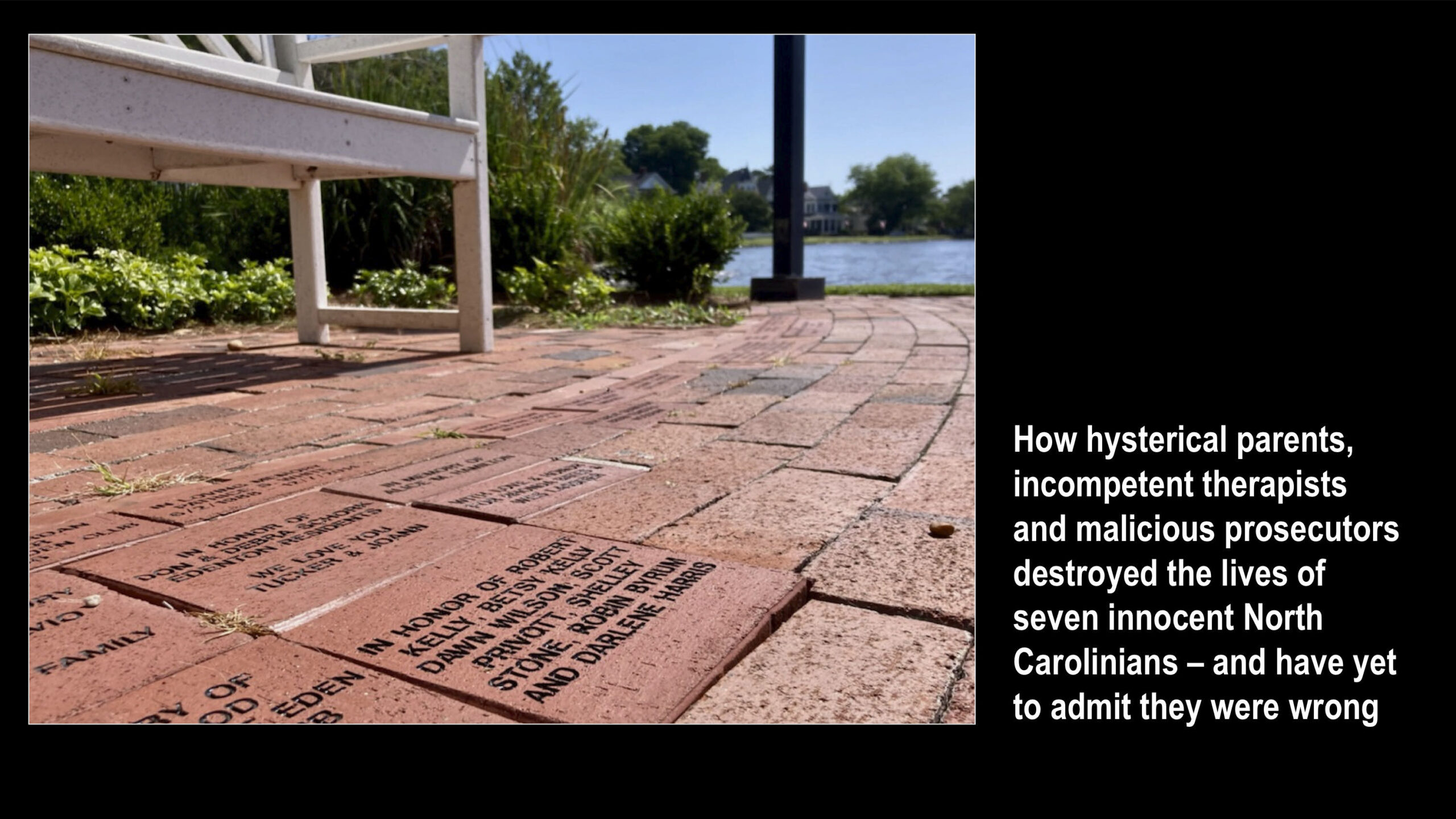
Among the alleged perpetrators: the sheriff and mayor. But prosecutors would charge only Robin Byrum, Darlene Harris, Elizabeth “Betsy” Kelly, Robert “Bob” Kelly, Willard Scott Privott, Shelley Stone and Dawn Wilson – the Edenton 7.
Along with sodomy and beatings, allegations included a baby killed with a handgun, a child being hung upside down from a tree and being set on fire and countless other fantastic incidents involving spaceships, hot air balloons, pirate ships and trained sharks.
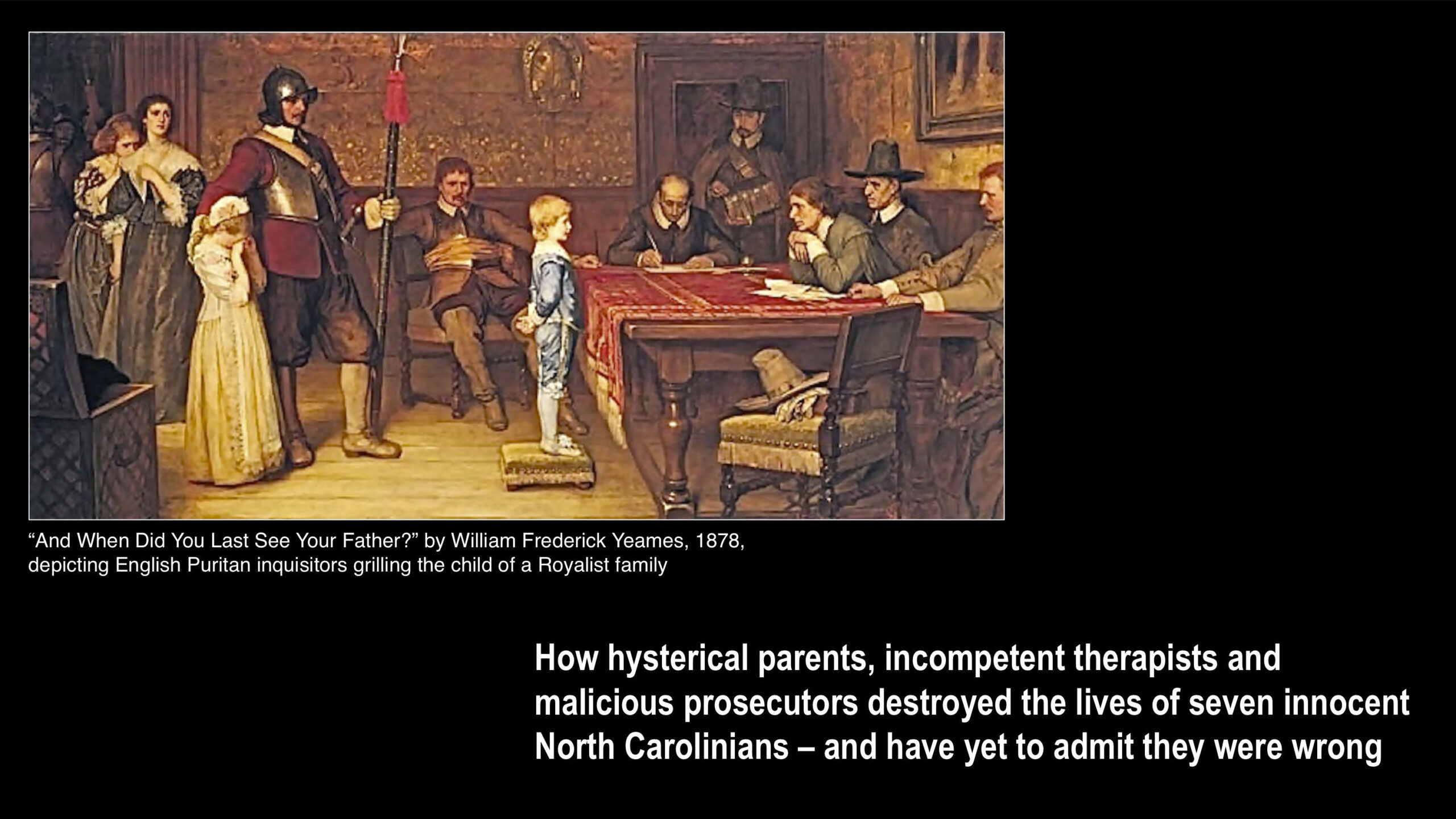
By the time prosecutors dropped the last charges in 1997, Little Rascals had become North Carolina’s longest and most costly criminal trial. Prosecutors kept defendants jailed in hopes at least one would turn against their supposed co-conspirators. Remarkably, none did. Another shameful record: Five defendants had to wait longer to face their accusers in court than anyone else in North Carolina history.
Between 1991 and 1997, Ofra Bikel produced three extraordinary episodes on the Little Rascals case for the PBS series “Frontline.” Although “Innocence Lost” did not deter prosecutors, it exposed their tactics and fostered nationwide skepticism and dismay.
With each passing year, the absurdity of the Little Rascals charges has become more obvious. But no admission of error has ever come from prosecutors, police, interviewers or parents. This site is devoted to the issues raised by this case.
On Facebook


Little Rascals Day Care Case
This Facebook page is an offshoot of littlerascalsdaycarecase.org, which addresses the wrongful prosecution of the Edenton Seven and other such victims.

Meanwhile in Edenton....
This content isn't available right now
When this happens, it's usually because the owner only shared it with a small group of people, changed who can see it or it's been deleted.0 CommentsComment on Facebook
Allies for our cause!
This content isn't available right now
When this happens, it's usually because the owner only shared it with a small group of people, changed who can see it or it's been deleted.0 CommentsComment on Facebook
The courts have a long history of capriciously pulling the rug out from under Junior's appeals, but maybe this time....
This content isn't available right now
When this happens, it's usually because the owner only shared it with a small group of people, changed who can see it or it's been deleted.0 CommentsComment on Facebook
Click for earlier Facebook posts archived on this site
Click to go to

Today’s random selection from the Little Rascals Day Care archives….
‘Evidence too compelling to dismiss’? Really?
 Oct. 1, 2012
“Since 1983, public and professional interest in maltreatment of young children in day care has increased dramatically. It was then that children first began disclosing allegations of sexual and ritual abuse in the McMartin preschool.
“Although accounts of children being terrorized during satanic rituals seemed bizarre and unbelievable, alarmingly similar allegations against child care facilities throughout the United States prompted public officials, educators and parents to more fully examine the phenomenon. The sheer number of reports and amount of information collected (for legal and therapeutic purposes) provided a rich data base for study.
“Children reporting ritual abuse (RA) have described ceremonial animal and human mutilation and sacrifice, live burial, sacrificial participation or witness, ingestion of human blood, feces, urine and semen, and death threats should they disclose the abuse.
“It should be noted that some doubt the existence of RA…. The prevailing literature since the McMartin case, however, demonstrates that researchers find the evidence too compelling to dismiss…. Perhaps the most reasoned yet sensitive approach to validation is neither unquestioned acceptance nor unequivocal denial, but critical judgment….”
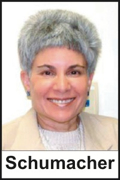
– From “Variables and risk factors associated with child abuse in daycare settings” by Ruth B. Schumacher and Rebecca S. Carlson in Child Abuse & Neglect: The International Journal (September 1999)
Predictably, the references listed by Schumacher and Carlson include an old-school Who’s Who of bad science: e.g., Kathleen Coulborn Faller, David Finkelhor (misspelled “Finklehor”), and Susan J. Kelley (misspelled “Kelly”).
But the authors also cite skeptics Jeffrey S. Victor (“Satanic Panic”), David Bromley and Lee Coleman.
How can this be? How can Schumacher and Carlson have been exposed to such persuasive debunking, yet conclude that “neither unquestioned acceptance nor unequivocal denial” is called for?
Big Tobacco realized early on that instead of beating back every new attack on smoking’s health risks, it needed only to frame the issue as a continuing “controversy” with “two sides.” But what possible advantage accrues to social scientists who take that approach?
How to uncover ritual abuse: a foolproof recipe
Oct. 17, 2012
“Little Rascals is a most important case, because it demonstrates how the mind set of interviewers can be transmitted to the children and persuade them to disclose events that never happened. A San Diego grand jury which investigated child abuse observed:
Of particular interest is the information received about the Little Rascals case in North Carolina. Eighty-five percent of the children received therapy with three therapists in the town; all of these children eventually reported satanic abuse. Fifteen percent of the children were treated by different therapists in a neighboring city; none of (these) children reported abuse of any kind after the same period of time in therapy.
“In effect, the Edenton (multiple victim, multiple offender) case was a real-life replication of the type of laboratory experiment that could never be done for ethical reasons:
- Select a town or city in any area of the U.S. or Canada.
- Take 90 children, and divide them into two equally sized test and control groups.
- Have the test group interrogated by therapists who believe in ritual abuse, using direct and repeated questions.
- Have the control group independently interrogated by therapists who are skeptical of ritual abuse using general questioning.
- Compare rates of disclosures of ritual abuse from the two groups. “
The probable result would be that close to 100% of the test group and about 0% of the control group would reveal ritual abuse.”
– From “Ritual abuse cases in day care centers” on ReligiousTolerance.org, (Ontario Consultants on Religious Tolerance)
Who do that voodoo? Why, prosecution’s ‘experts’
Nov. 14, 2012
“Prosecutors building these high-profile cases well understood the problems posed by the strange charges and the fantasy-riddled narratives of the child plaintiffs. How could they make credible to jurors the extraordinary prowess of defendants who could assault whole classes of preschoolers daily, dressing and undressing 20 or more, all accomplished in a half hour’s time, in a busy school, with no one noticing, no child ever sent home with mismatched socks?…
“Jurors had to be given a reason that 4-year-olds could be raped with butcher knives that left them uninjured, could be tied naked to trees and raped in broad daylight….
“The state’s solution lay with their experts – witnesses who could explain and render such mysteries comprehensible.”
– From “No Crueler Tyrannies: Accusation, False Witness and other Terrors of Our Times” by Dorothy Rabinowitz (2003)
Ah, those invaluable mystery-solving experts – such as Eileen Treacy of the Kelly Michaels trial, Kee MacFarlane of McMartin and of course Mark “Where there’s smoke….” Everson of Little Rascals.
What would prosecutors have done without them? (Probably, a helluva lot less harm.)
When the people we trust can’t be trusted
Jan. 25, 2017
“Why is there such a cultural bias toward stories of abuse – and especially toward grotesque and absurd tales, even when there is no reliable evidence that any crime occurred in the first place?
“The very people we count on to protect our society – prosecutors, police, social workers, jurors, even parents – are eliciting fantasies from children that express our worst collective fears. ….
“The libel that our society has imposed on child-care workers is a kind of projection of guilt for the damage that we ourselves have done, as parents and as a society. We have given our children to strangers to rear, and it makes us uneasy and fearful. Is it any wonder we have a bad conscience?…. ”
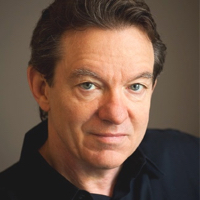
– From “Child-care Demons” by Lawrence Wright in The New Yorker (Oct. 3, 1994)
