Rascals case in brief
In the beginning, in 1989, more than 90 children at the Little Rascals Day Care Center in Edenton, North Carolina, accused a total of 20 adults with 429 instances of sexual abuse over a three-year period. It may have all begun with one parent’s complaint about punishment given her child.
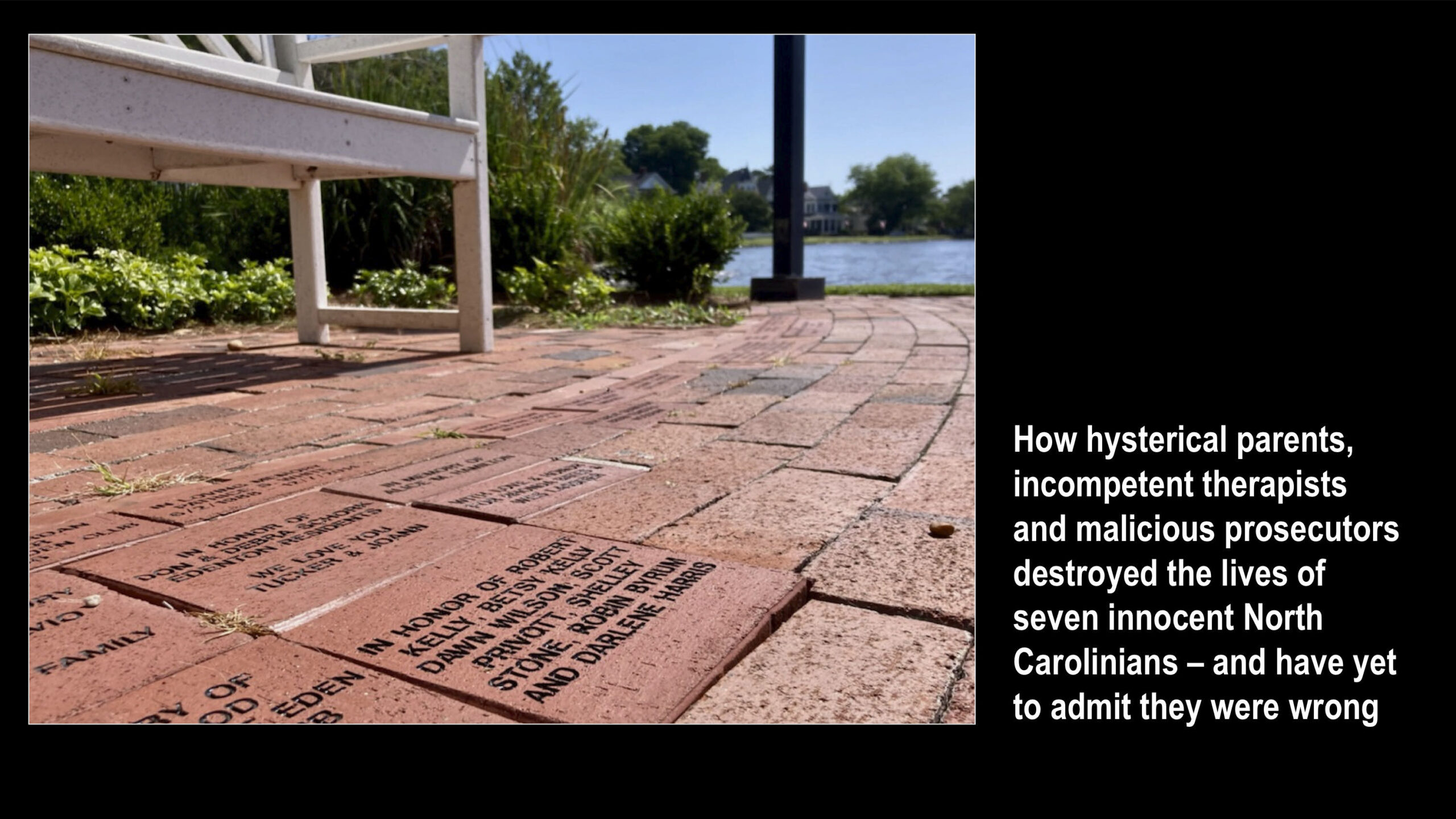
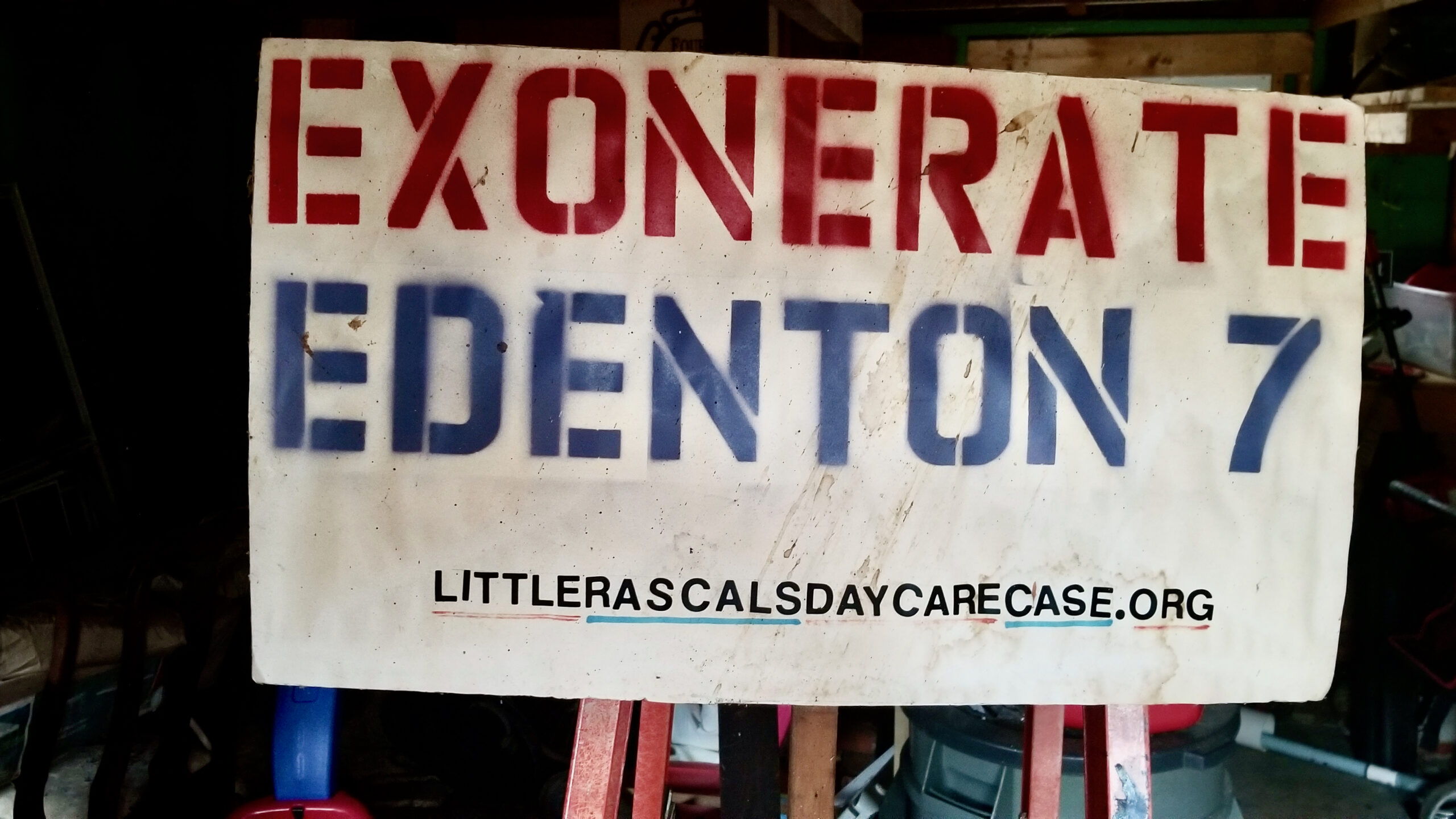
Among the alleged perpetrators: the sheriff and mayor. But prosecutors would charge only Robin Byrum, Darlene Harris, Elizabeth “Betsy” Kelly, Robert “Bob” Kelly, Willard Scott Privott, Shelley Stone and Dawn Wilson – the Edenton 7.
Along with sodomy and beatings, allegations included a baby killed with a handgun, a child being hung upside down from a tree and being set on fire and countless other fantastic incidents involving spaceships, hot air balloons, pirate ships and trained sharks.
By the time prosecutors dropped the last charges in 1997, Little Rascals had become North Carolina’s longest and most costly criminal trial. Prosecutors kept defendants jailed in hopes at least one would turn against their supposed co-conspirators. Remarkably, none did. Another shameful record: Five defendants had to wait longer to face their accusers in court than anyone else in North Carolina history.
Between 1991 and 1997, Ofra Bikel produced three extraordinary episodes on the Little Rascals case for the PBS series “Frontline.” Although “Innocence Lost” did not deter prosecutors, it exposed their tactics and fostered nationwide skepticism and dismay.
With each passing year, the absurdity of the Little Rascals charges has become more obvious. But no admission of error has ever come from prosecutors, police, interviewers or parents. This site is devoted to the issues raised by this case.
On Facebook


Little Rascals Day Care Case
This Facebook page is an offshoot of littlerascalsdaycarecase.org, which addresses the wrongful prosecution of the Edenton Seven and other such victims.

Meanwhile in Edenton....
This content isn't available right now
When this happens, it's usually because the owner only shared it with a small group of people, changed who can see it or it's been deleted.0 CommentsComment on Facebook
Allies for our cause!
This content isn't available right now
When this happens, it's usually because the owner only shared it with a small group of people, changed who can see it or it's been deleted.0 CommentsComment on Facebook
The courts have a long history of capriciously pulling the rug out from under Junior's appeals, but maybe this time....
This content isn't available right now
When this happens, it's usually because the owner only shared it with a small group of people, changed who can see it or it's been deleted.0 CommentsComment on Facebook
Click for earlier Facebook posts archived on this site
Click to go to

Today’s random selection from the Little Rascals Day Care archives….
Prosecutors learned wrong lesson from McMartin
March 28, 2012
Had North Carolina prosecutors been interested in anything other than racking up convictions, they would’ve given earnest consideration to analyses such as this one in the Los Angeles Times in 1990, barely a week after a jury returned not guilty verdicts in the McMartin Pre-School case:
“Experts across the country say the interview techniques intended to extract the truth from youngsters who attended the Manhattan Beach nursery school were so misguided as to make the children seem coerced, rehearsed and ultimately unbelievable to the jury….
“According to both child development and criminal defense experts who have closely monitored the case for the last six years, some of the adults — the parents, the prosecutors, the therapists — who tried hardest to find out what happened in the first place may have done the most to confuse the case in the end…. Most of the children were never given the chance to simply tell what, if anything, happened to them.
“‘They were never given the opportunity to tell their stories as they knew them, in their own words, until long after their minds had been contaminated with the thoughts and fears of the adults around them,’ said David Raskin, a psychologist at the University of Utah who has been studying child abuse cases for the last 15 years. By then, he said, it was too late.”
Contamination proved every bit as rampant among child-witnesses in the Little Rascals case, but prosecutors had learned from McMartin to conceal it by denying access to verbatim records of therapists’ interviews.
Child-witnesses, now in their 30s, reject call to speak up
July 7, 2019
For those seeking to understand the Little Rascals Day Care case one particularly intriguing question remains: How do the former child-witnesses, now well into their 30s, look back at their central role?
Do they believe today that their testimony was accurate? Or have they come to realize that those bizarre sexual accusations – as well as the accounts of sharks, spaceships and burning babies – were products of sheer fantasy? And that they had been relentlessly manipulated by the prosecution’s therapists?
Last month I sent letters to the Little Rascals witnesses in hopes that they would be ready to talk about their experiences. Here’s what I said:
“I apologize if this letter is unwelcome. For the past eight years I have been researching the Little Rascals Day Care case. I’m writing you because as a child you were a witness for the prosecution in Bob Kelly’s trial in 1991-92. The court records include a passage describing your testimony.
“I blog at littlerascalsdaycarecase.org, and I have worked with Duke Law School to build an archive on the case. My aim is to persuade the State of North Carolina to issue the Edenton Seven a statement of innocence similar to the one given the defendants in the Duke lacrosse case.
“I don’t know how you look back at your involvement in the case, and you are certainly under no obligation to tell me. But if you might be willing to share your recollections – however they might agree or conflict with your testimony – please contact me….”
In the decades since the “satanic ritual abuse” day care prosecutions few child-witnesses have chosen to step forward. One who did so – anonymously – looked back with sadness at the McMartin case: “It is my belief, after years of treatment centers and therapy, that nothing physical happened to me…. Mentally, well, that’s a different story. How about paying attention to the kids that were scarred from this therapy? Do you think that just because there was most likely no physical abuse that we didn’t still suffer?”
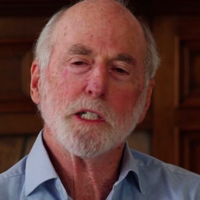
After receiving no responses to my letter, I asked Lee Coleman what he would advise those still-silent Little Rascals child-witnesses. Dr. Coleman, a Berkeley, Calif., psychiatrist, has testified in some 800 child sex-abuse cases, of which perhaps 100 involved day-care or preschool allegations. In this YouTube presentation he analyzes the McMartin Preschool case.
He replied to my request with this open letter (condensed) to the Little Rascals child-witnesses:
First, it is now recognized by all parties – prosecutors, judges, defense attorneys, academic students of memory and suggestibility in young children being interviewed for possible sexual abuse – that the methods used in Little Rascals had serious potential to influence memory, often creating a mental picture that to the child is indistinguishable from an actual memory of actual events.
This brings us to the very heart of my message to you, as you seriously consider whether justice may be served by your coming forth with what you remember of how you were interviewed and who you spoke to prior to the trial. Remember, it is not your memories of what did or didn’t happen at the school that is important, but your memories of how you were interviewed, and of who you spoke with during the time before the trial. This is the crucial time, and these are the crucial events, that any fair decision about the meaning of what you said during the trial can be best judged.
What I cannot stress enough is that if you testified to things that were not true, that was through no fault of yours, because such false testimony would be the fault of poor and suggestive interview methods, therefore neither lies, nor any indication of your sincerity as a child. If a child says things that he or she believes are true, because interview methods cause the child to accept ideas coming from interviewers rather than the child’s actual memory, then the fault lies with the interviewers and not the child.
To blame the child for misdeeds of poorly trained interviewers is, in my opinion, a kind of child abuse. I have testified about these issues hundreds of times, and most recently spoken about these issues as part of my continuing effort to bring understanding to our nation’s system of bringing justice to the area of sexual abuse of children. Such abuse, when it happens, calls for punishment of perpetrators and support of victims. When unprofessional conduct by prosecutors and their assistants causes children to be victims of suggestions that create false memories, this also calls for a better response from our society.
I thank you for taking the time to reconsider that time in your life and reconsider whether you might bring the best resolution to the efforts of Mr. Powell and others seeking justice in the Little Rascals Day Care case.
Sincerely,
Lee Coleman, MD
Portrait of a town haunted by hindsight
June 29, 2014
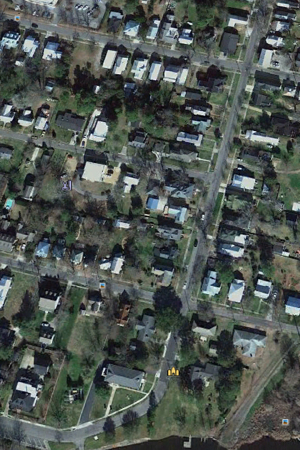
“(The Little Rascals Day Care center) is red brick, with plate glass windows on the front. The two-story structure is located on East Eden Street, amid mostly modest one-family homes, oaks, azaleas and crape myrtles, just a few blocks from the beautiful bay and downtown.
“The neighborhood is quiet now, but as the case unfolded during the last two years, journalists from time to time set upon the area, seeking eyewitnesses to the alleged incidents. Several residents recently told a visitor they had seen none of the alleged acts.
“For some, hindsight is powerful in the wake of the allegations. Lenora Smith, who lives next door to the center, voiced ‘surprise’ at the charges but does remember that ‘a few things I saw were kind of unusual.’
“What?
“Well, Robert Kelly owned a plumbing business, but ‘at times he stayed over there (at the day-care center) a lot,’ she said….
“Some people here admit to being a bit jumpy since the allegations surfaced.
“Debbie Jones said, ‘I get paranoid.’ Extending her hand, palm down, she made it tremble, saying: ‘I’m like this if I’m with my kids in a public place.’
“In a building on the town’s main thoroughfare, South Broad Street, a young boy who looked about 5 years old, bolstered her point. As he walked out of an office into a hall, apparently heading for the bathroom, he looked over his shoulder and said stoically to a woman: ‘If I don’t come back, call the police.’”
– From “Child Abuse Charges at Day-Care Center Divide Formerly Close-Knit Community” by Lee May in the Los Angeles Times (June 8, 1991)
British child abuse investigators too quick on trigger

June 5, 2016
“One in five of all children born in a single year in England was referred to social services before they reached age 5…. Up to 150,000 pre-school children were reported over fears of abuse or neglect, most unnecessarily….
“Researchers (at the University of Central Lancashire) said while public and professional vigilance was welcome, the number of alerts received by social services meant staff were wasting their time on innocent families, and making it harder to find the children who are at risk.
“After a series of high profile cases where serious abuse was missed, social workers are under intense pressure… and end up checking up more of the warnings they receive than is necessary, the research suggests.
Lead researcher Professor Andy Bilson said, ‘We have this mantra that says it’s everybody’s job to safeguard children, but what we are doing doesn’t actually safeguard children.”
– From “One in five children referred over suspected abuse” at BBC News (May 25)
Not mentioned in the Central Lancashire report is the subcategory of “satanic ritual abuse” – about which the British are similarly prone to false alarm.
