Rascals case in brief
In the beginning, in 1989, more than 90 children at the Little Rascals Day Care Center in Edenton, North Carolina, accused a total of 20 adults with 429 instances of sexual abuse over a three-year period. It may have all begun with one parent’s complaint about punishment given her child.
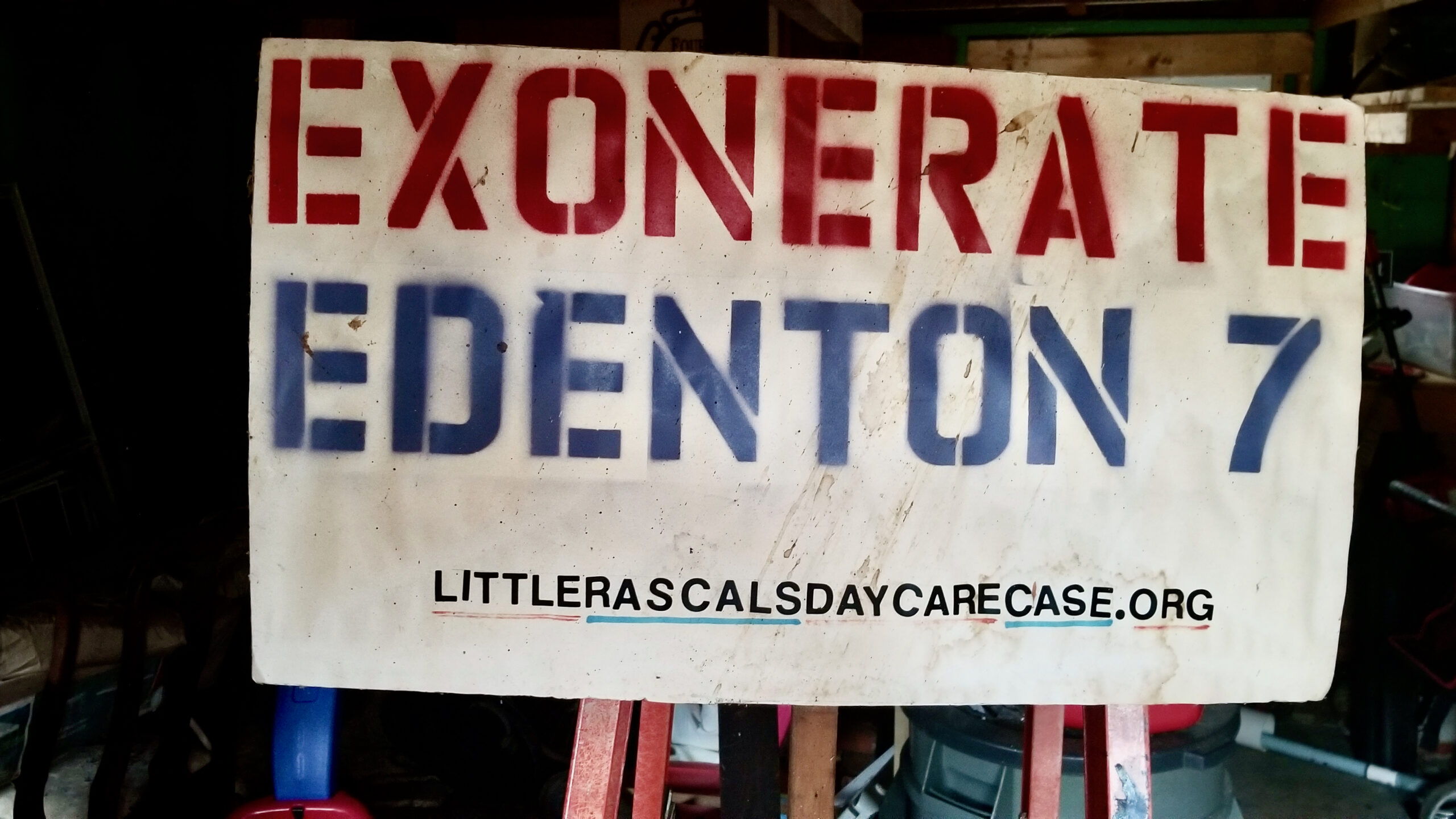
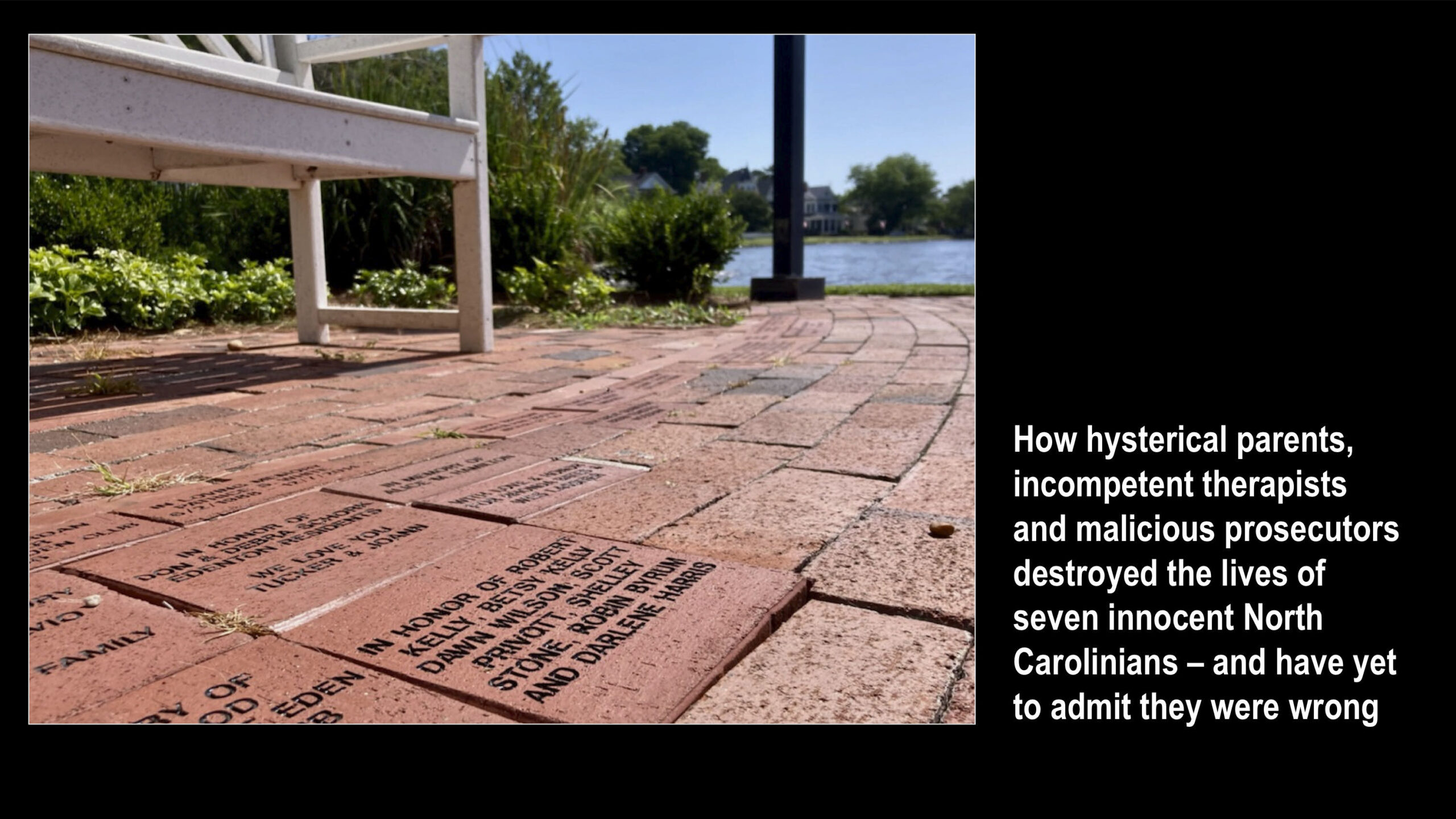
Among the alleged perpetrators: the sheriff and mayor. But prosecutors would charge only Robin Byrum, Darlene Harris, Elizabeth “Betsy” Kelly, Robert “Bob” Kelly, Willard Scott Privott, Shelley Stone and Dawn Wilson – the Edenton 7.
Along with sodomy and beatings, allegations included a baby killed with a handgun, a child being hung upside down from a tree and being set on fire and countless other fantastic incidents involving spaceships, hot air balloons, pirate ships and trained sharks.
By the time prosecutors dropped the last charges in 1997, Little Rascals had become North Carolina’s longest and most costly criminal trial. Prosecutors kept defendants jailed in hopes at least one would turn against their supposed co-conspirators. Remarkably, none did. Another shameful record: Five defendants had to wait longer to face their accusers in court than anyone else in North Carolina history.
Between 1991 and 1997, Ofra Bikel produced three extraordinary episodes on the Little Rascals case for the PBS series “Frontline.” Although “Innocence Lost” did not deter prosecutors, it exposed their tactics and fostered nationwide skepticism and dismay.
With each passing year, the absurdity of the Little Rascals charges has become more obvious. But no admission of error has ever come from prosecutors, police, interviewers or parents. This site is devoted to the issues raised by this case.
On Facebook


Little Rascals Day Care Case
This Facebook page is an offshoot of littlerascalsdaycarecase.org, which addresses the wrongful prosecution of the Edenton Seven and other such victims.

Meanwhile in Edenton....
This content isn't available right now
When this happens, it's usually because the owner only shared it with a small group of people, changed who can see it or it's been deleted.0 CommentsComment on Facebook
Allies for our cause!
This content isn't available right now
When this happens, it's usually because the owner only shared it with a small group of people, changed who can see it or it's been deleted.0 CommentsComment on Facebook
The courts have a long history of capriciously pulling the rug out from under Junior's appeals, but maybe this time....
This content isn't available right now
When this happens, it's usually because the owner only shared it with a small group of people, changed who can see it or it's been deleted.0 CommentsComment on Facebook
Click for earlier Facebook posts archived on this site
Click to go to

Today’s random selection from the Little Rascals Day Care archives….
If only reality had offered such vivid details….
 Jan. 9, 2013
“One question that arises from studies on children’s suggestibility is whether they document false memories or merely false reports. Do children really believe that the fictional events happened? Or do they merely say so to please the interviewers?
“Consistent with the false memory interpretation, approximately one-third of the children in these studies continued to insist that particular events had really happened to them even after they were told those events were not real….
“Lacking any obvious motivation to lie, these children appeared to have developed false memories, perhaps confusing the products of their repeated attempts to visualize the events with the products of direct experience….
“Professionals were no better than chance at discriminating false from true reports. The credibility of a child’s account was related to the amount of perceptual detail mentioned in the child’s narrative. The more details, the more professional tended to believe the narrative, regardless of whether it was true.”
– From “Remembering Trauma” by Richard J. McNally (2003)
To better understand how the Little Rascals therapists went so wildly astray, give that last paragraph a second reading. “Professionals were no better than chance at discriminating false from true reports” – and they were mesmerized by the “perceptual detail” in those tales of sharks and spaceships.
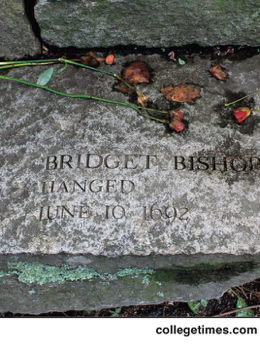
Three centuries later, witch trials remain uncomfortably relevant
 Oct. 31, 2016
“Historical truths emerge only with time, after which they are ours, particularly on Halloween, to mangle.
“Early on, the Salem witch trials disappeared from the record; a hush descended over 1692 for generations. ‘The People of Salem Do Not Like to Be Questioned in Regard to the Witchery Affair’ reads a Philadelphia Inquirer headline – from 1895. It fell to others to resurrect the ‘witchcraft,’ as the South did during the debate over slavery. Then came Arthur Miller, who made off with the story, or at least a version of it.
“A lush mythology grew up around the trials, one that reassured us that these events took place in a remote land in no way resembling our own. In truth, they are deeply woven into the American fabric. They are more relevant than the lore suggests – our earliest instance of conspiratorial fantasy and reckless demonizing, of the brand of national distemper that grips us in anxious times.”
– From “Five Myths about the Salem witch trials” by Stacy Schiff in the Washington Post (Oct. 30)
Fifteen years ago today: Massachusetts officially exonerates five women hanged as witches in Salem.

Is Finkelhor now less panicked by day cares?

Feb. 3, 2016
“A new survey finds that adults at school, day care and organizations such as churches and scouting groups are less likely than relatives to abuse or mistreat children.
“In general, organizations that serve young people ‘do not look like particularly risky environments,’ said study co-author David Finkelhor, director of the University of New Hampshire’s Crimes Against Children Research Center. This contradicts perceptions by some people who ‘think these are magnets for molesters,’ he said.”
– From “Child Abuse at Daycare, Youth Groups Rarer Than Thought: Survey” by Randy Dotinga in the Northwest Indiana Times (Feb. 2)
Surprising to see Dr. Finkelhor dismiss the notion of day cares as “magnets for molesters,” given that his own overwrought “Nursery Crimes: Sexual Abuse in Day Care” (1988) was an influential text in spreading the moral panic.
How did he determine back then whether sexual abuse had actually occurred? “If at least one of the local investigating agencies had decided that abuse had occurred and that it had happened while the child was at a day-care facility….then we considered the case substantiated.” In other words, one supposed “red flag” sighting from Brenda Toppin was certification enough.
As recently as 2012, when I queried Dr. Finkelhor about his beliefs past and present, he denied being “an authority on the validity of claims” that he had laid out with such credulity in “Nursery Crimes.”
What jurors learned from ‘Every Mother’s Worst Fear’
April 2, 2012
Among the contaminants reported in the deliberations of the first Little Rascals jury was a Redbook article used to profile Bob Kelly as a child molester. Its content never was detailed, so I looked it up (thanks yet again, Charlotte Mecklenburg Library).
Beneath the panic-inducing headline – “Why I’m Every Mother’s Worst Fear” – I was surprised to find virtually nothing relevant to day cares. Instead, the author offered insights such as:
“There are far more child molesters who operate like me than there are those who forcibly kidnap children. What the abductors do makes the headlines. What I do is more common and less noticeable. Most child molesters are established in our communities, known to others as just another good neighbor. We may even be married with kids of our own.”
An editor’s note drove home the point: “Finally, believe a child who reports a sexual overture or encounter, no matter how respectable or unlikely the accused person might seem.”
These descriptions, of course, fit the crazy-making template for ritual-abuse prosecutions:
If he seems like a child abuser, then he is.
If he doesn’t seem like a child abuser, then he is – “no matter how unlikely.”