Rascals case in brief
In the beginning, in 1989, more than 90 children at the Little Rascals Day Care Center in Edenton, North Carolina, accused a total of 20 adults with 429 instances of sexual abuse over a three-year period. It may have all begun with one parent’s complaint about punishment given her child.
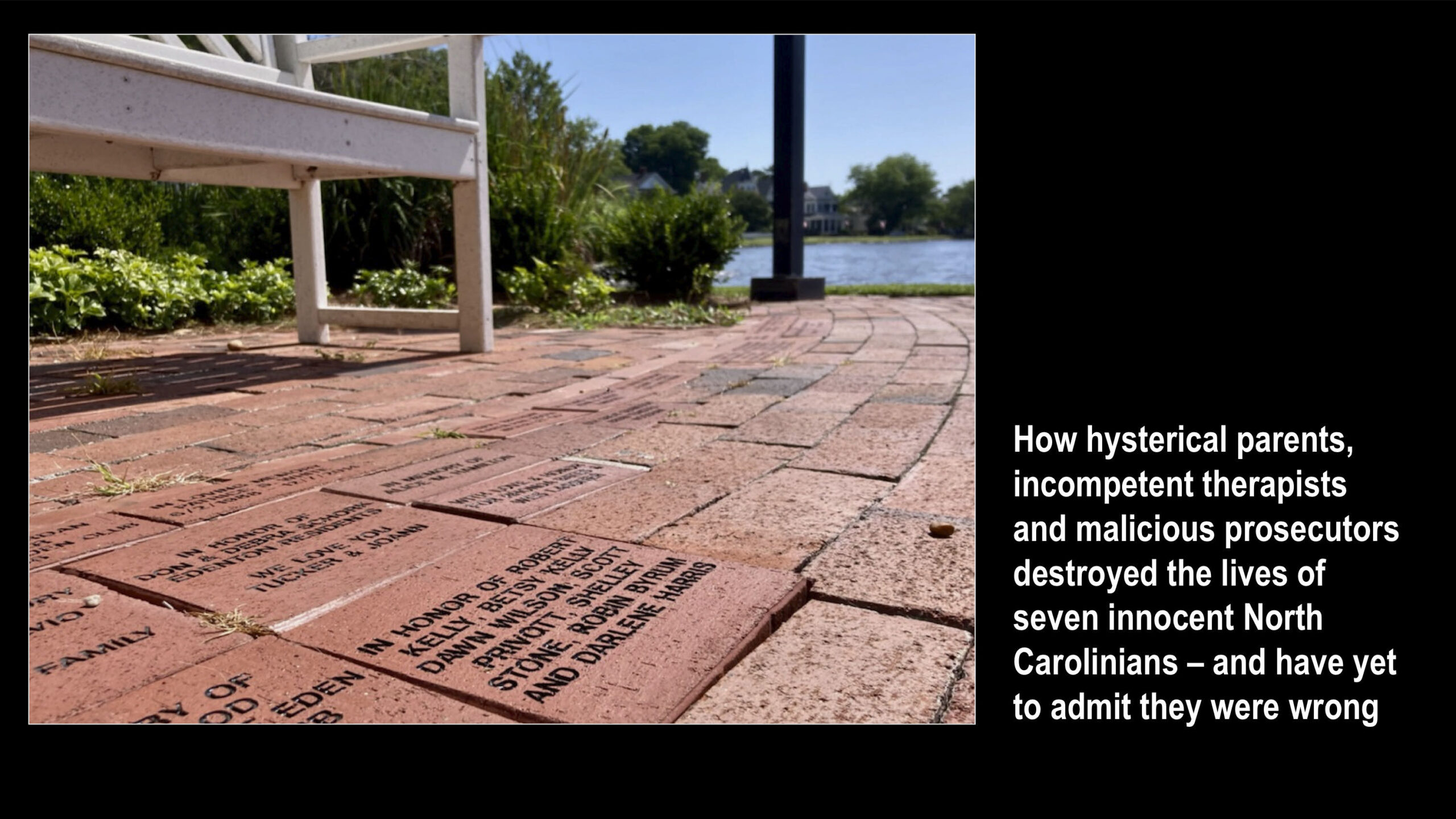
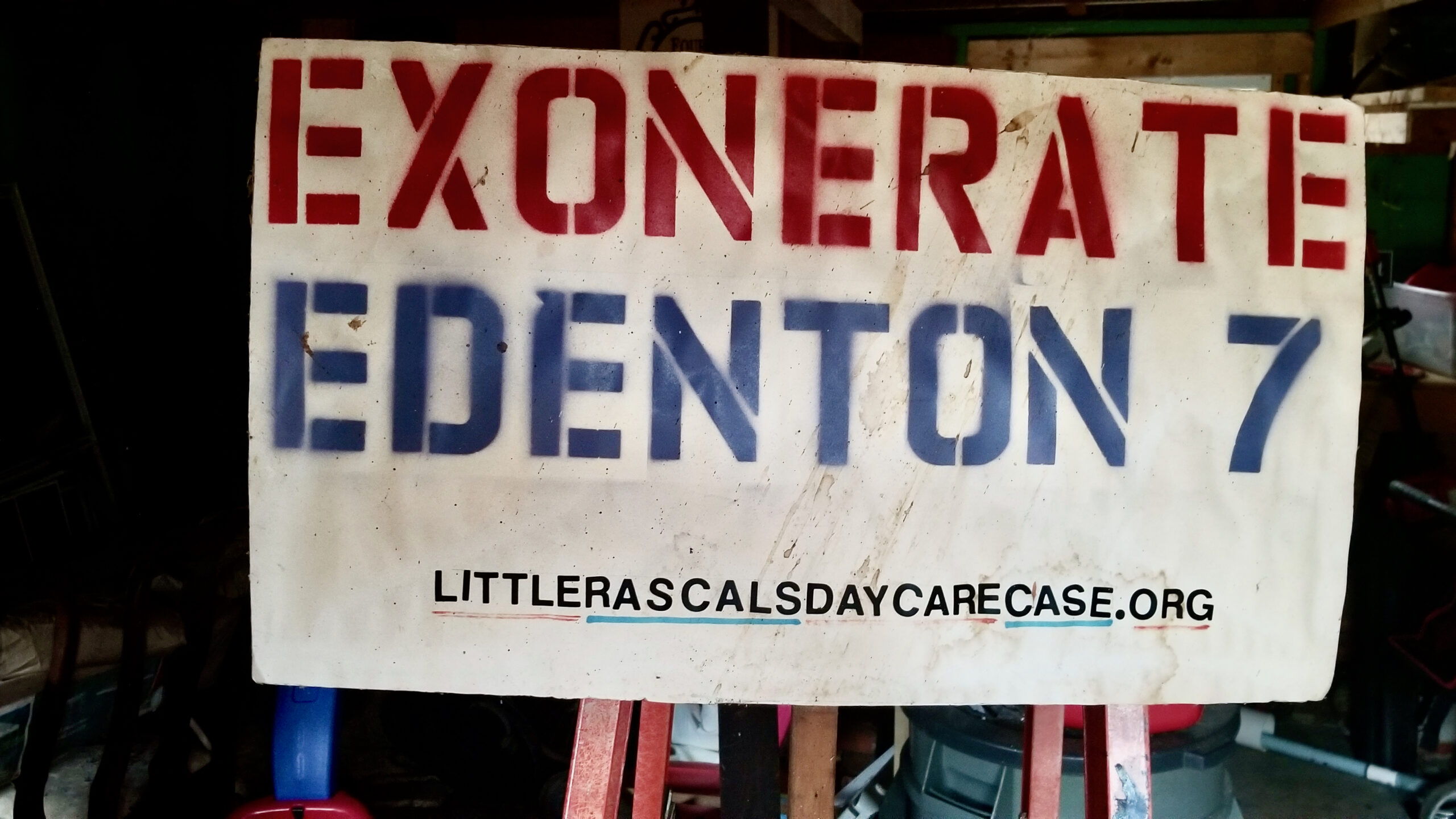
Among the alleged perpetrators: the sheriff and mayor. But prosecutors would charge only Robin Byrum, Darlene Harris, Elizabeth “Betsy” Kelly, Robert “Bob” Kelly, Willard Scott Privott, Shelley Stone and Dawn Wilson – the Edenton 7.
Along with sodomy and beatings, allegations included a baby killed with a handgun, a child being hung upside down from a tree and being set on fire and countless other fantastic incidents involving spaceships, hot air balloons, pirate ships and trained sharks.
By the time prosecutors dropped the last charges in 1997, Little Rascals had become North Carolina’s longest and most costly criminal trial. Prosecutors kept defendants jailed in hopes at least one would turn against their supposed co-conspirators. Remarkably, none did. Another shameful record: Five defendants had to wait longer to face their accusers in court than anyone else in North Carolina history.
Between 1991 and 1997, Ofra Bikel produced three extraordinary episodes on the Little Rascals case for the PBS series “Frontline.” Although “Innocence Lost” did not deter prosecutors, it exposed their tactics and fostered nationwide skepticism and dismay.
With each passing year, the absurdity of the Little Rascals charges has become more obvious. But no admission of error has ever come from prosecutors, police, interviewers or parents. This site is devoted to the issues raised by this case.
On Facebook


Little Rascals Day Care Case
This Facebook page is an offshoot of littlerascalsdaycarecase.org, which addresses the wrongful prosecution of the Edenton Seven and other such victims.

Meanwhile in Edenton....
This content isn't available right now
When this happens, it's usually because the owner only shared it with a small group of people, changed who can see it or it's been deleted.0 CommentsComment on Facebook
Allies for our cause!
This content isn't available right now
When this happens, it's usually because the owner only shared it with a small group of people, changed who can see it or it's been deleted.0 CommentsComment on Facebook
The courts have a long history of capriciously pulling the rug out from under Junior's appeals, but maybe this time....
This content isn't available right now
When this happens, it's usually because the owner only shared it with a small group of people, changed who can see it or it's been deleted.0 CommentsComment on Facebook
Click for earlier Facebook posts archived on this site
Click to go to

Today’s random selection from the Little Rascals Day Care archives….
‘Juvenile renderings of grownups’ anxieties’
April 16, 2012
“At the beginning of each ritual-abuse case, the children had been eminently reliable, but what they communicated was that they had not been molested by satanists. Indeed, it was only after an investigation started, after intense and relentless insistence by adults, that youngsters produced criminal charges.
“By then, their utterances had nothing to do with their own feelings or experiences. Rather, what came from the mouths of babes were juvenile renderings of grownups’ anxieties.”
– From “Satan’s Silence: Ritual Abuse and the Making of a Modern American
Witch Hunt” by Debbie Nathan and Michael Snedeker (1995)
‘They saw themselves as the good guys….’
May 21, 2012
Lee Coleman, a Berkeley, Calif., psychiatrist and co-author of “Has a Child Been Molested?” (2000), served as a consultant to the Little Rascals defense.
“When I examined the terrible interviewing methods,” he recalls, “it quickly became obvious that (Little Rascals) was like the McMartin and Kelly Michaels cases: a complete fabrication.”
How does Dr. Coleman account for therapists’ and prosecutors’ “unwillingness to see what was in front of their faces”?
“[(McMartin therapist) Kee MacFarlane became a national figure by claiming to know how to talk to kids to help them describe abuse. There followed a cadre of young, bushy-tailed professionals who saw themselves as the good guys of a movement. They were glamorous and self-righteous, and they had nothing left to think with. What if a child hadn’t been molested? They never thought about it….
“Then they led meetings across the country, where they taught their system to others, who applied it locally…”
Dr. Coleman’s characterization captures precisely the origin of the Little Rascals allegations, in which a seminar led by “sex rings” alarmist Ann Burgess attracted prosecutor H.P. Williams, therapist Judy Abbott and police dispatcher Brenda Toppin.
Excuses for denying exoneration (Salem version)
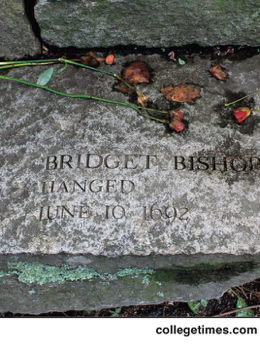 July 21, 2015
“When Massachusetts exonerated the Salem victims in 1710 it overlooked six women. They remained missing through the 1940s and 1950s as the commonwealth considered pardons but could not seem to make up its legislative mind.
“One lawyer appearing before a Senate committee objected to ‘fooling with history.’ Some legislators feared expensive suits for damages. Others hinted that a pardon might knock Salem’s witches from their tourist-bewitching brooms. As the Commonwealth of Massachusetts had not existed in 1692, it surely had no jurisdiction over a verdict of Massachusetts Bay.
“On Halloween 2001 – weeks after we began to wonder anew about unseen evils – Massachusetts pardoned the last of the Salem witches….”
– From “The Witches: Salem, 1692” by Stacy Schiff (due Oct. 27)
How Edenton resembled Guantanamo Bay
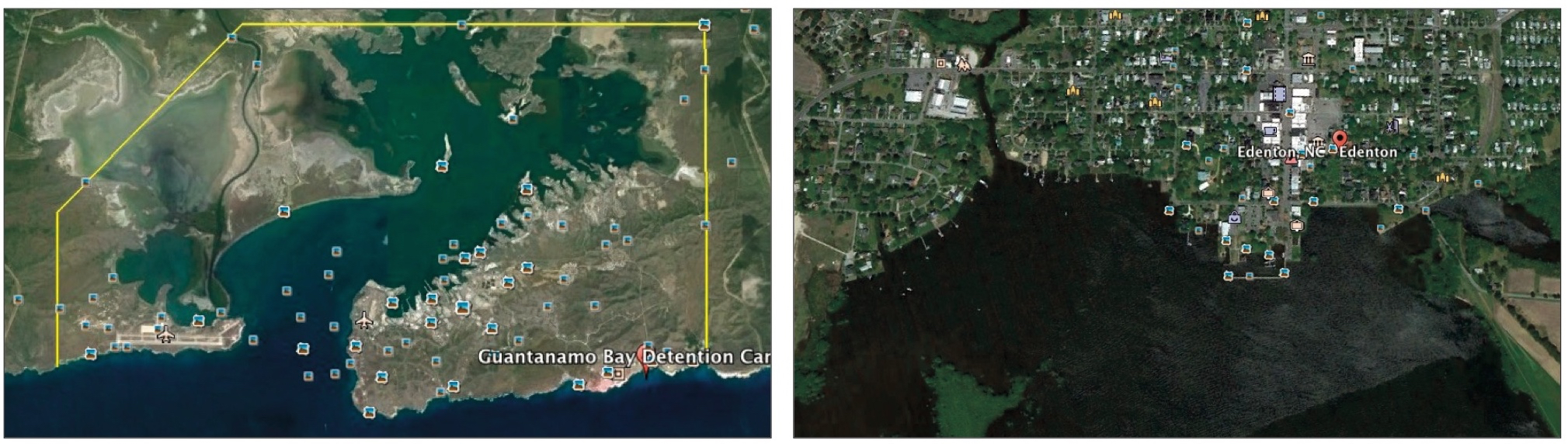
Jan. 2, 2016
“The CIA’s use of its enhanced interrogation techniques was not an effective means of acquiring intelligence… and on several occasions produced inaccurate information….
“Despite declaring the program a ‘success,’ there was no evidence of any independent evaluation concluding that it was effective, only internal assessments by CIA officials and contractors with a financial interest in the program.
“The CIA rarely reprimanded or held personnel accountable for serious and significant violations, inappropriate activities, and systemic and individual management failures….”
– From “20 Key Findings from CIA Torture Report” in Congressional Quarterly News (Dec. 9, 2014)
Sound familiar? Too little prudence, too much hubris?
Yes, the Pentagon’s recent recognition of the American Psychological Association’s disavowal of practices at Guantanamo brings to mind a different kind of “enhanced interrogation” – no waterboarding, but just as corrupt.
The Little Rascals prosecution’s well-paid and single-minded therapists seem to have recognized no ethical barriers in extracting phony claims from the children they interrogated so relentlessly. And neither prosecutors nor therapists were ever held accountable.
