Rascals case in brief
In the beginning, in 1989, more than 90 children at the Little Rascals Day Care Center in Edenton, North Carolina, accused a total of 20 adults with 429 instances of sexual abuse over a three-year period. It may have all begun with one parent’s complaint about punishment given her child.
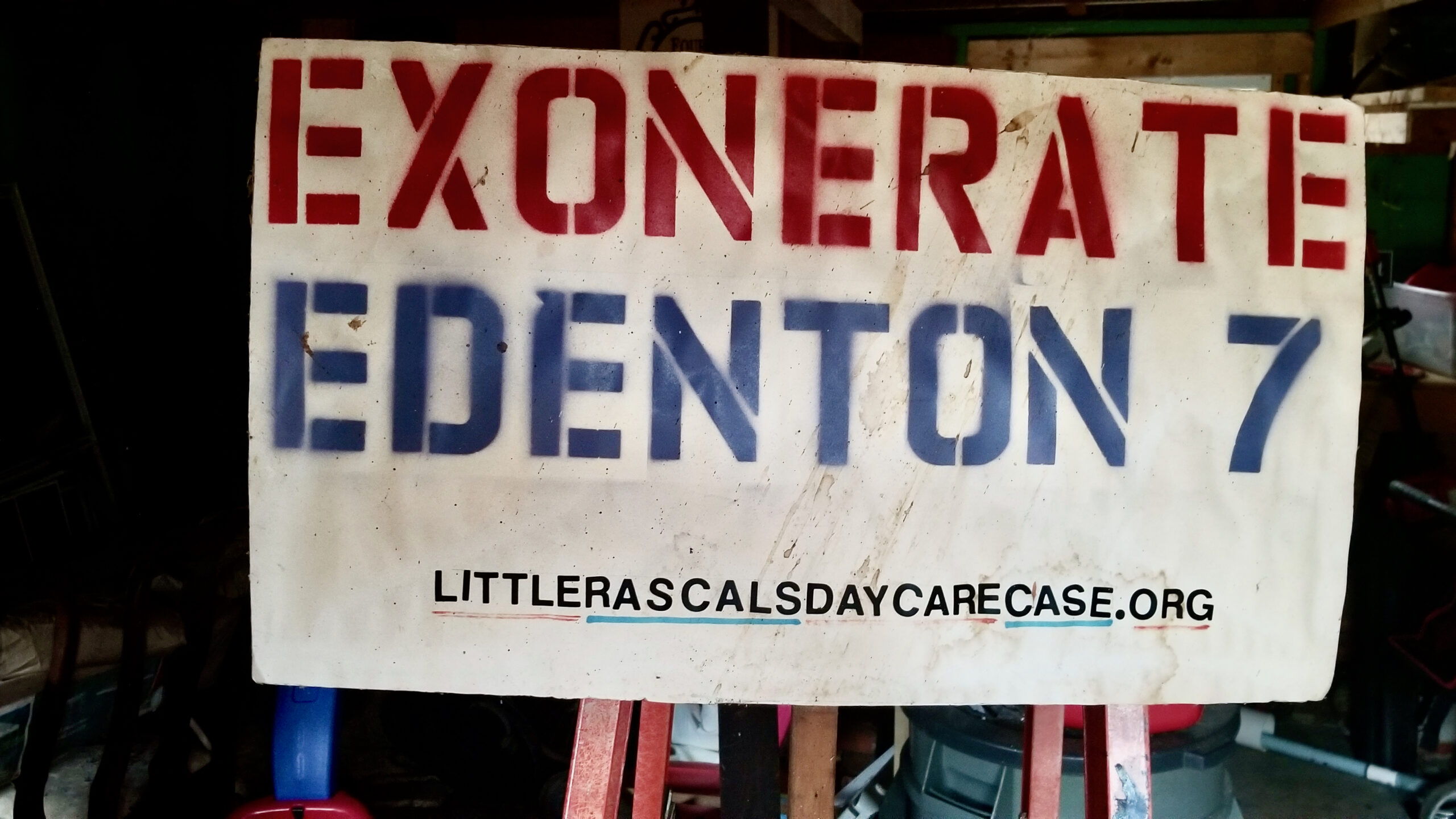
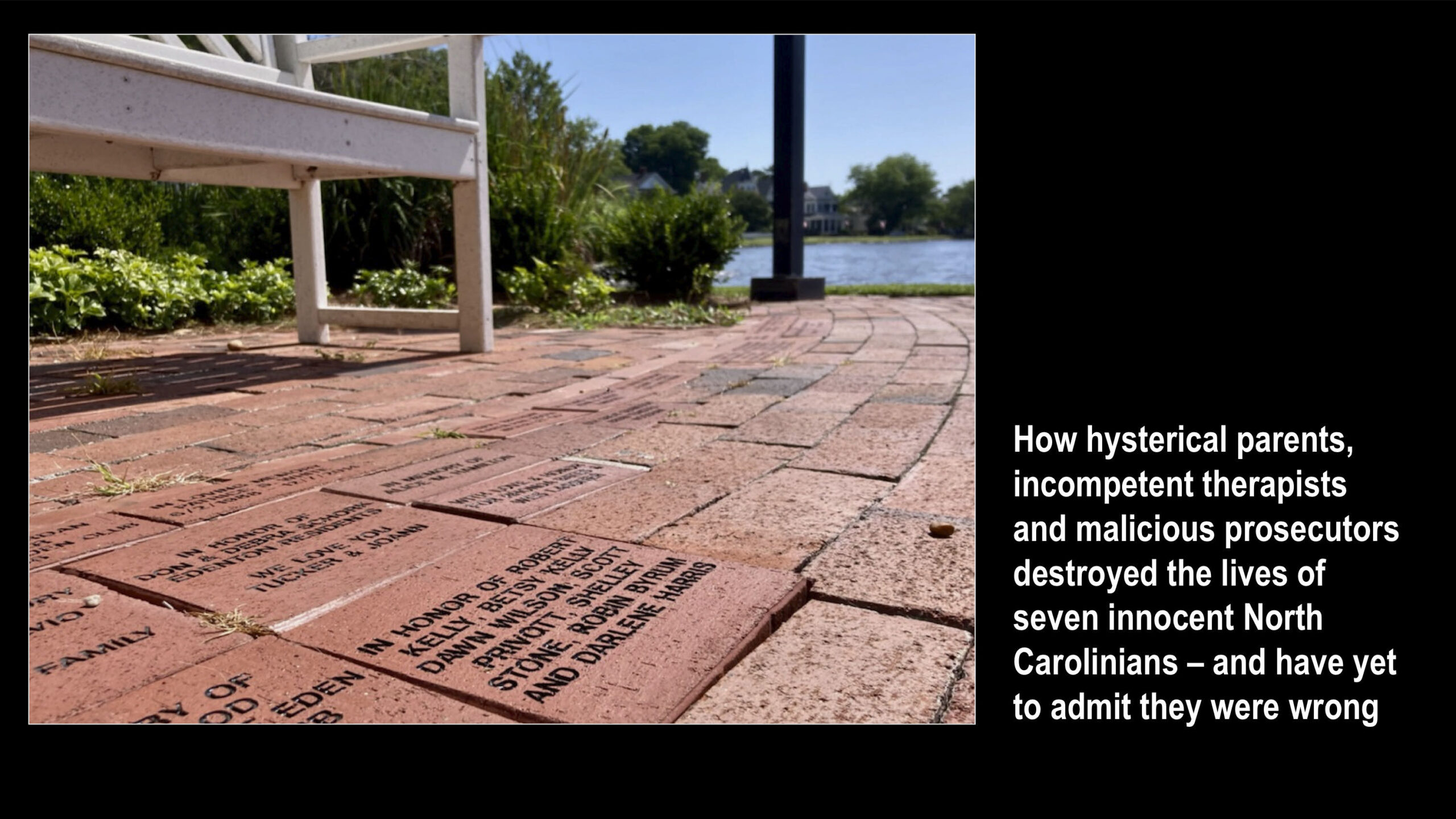
Among the alleged perpetrators: the sheriff and mayor. But prosecutors would charge only Robin Byrum, Darlene Harris, Elizabeth “Betsy” Kelly, Robert “Bob” Kelly, Willard Scott Privott, Shelley Stone and Dawn Wilson – the Edenton 7.
Along with sodomy and beatings, allegations included a baby killed with a handgun, a child being hung upside down from a tree and being set on fire and countless other fantastic incidents involving spaceships, hot air balloons, pirate ships and trained sharks.
By the time prosecutors dropped the last charges in 1997, Little Rascals had become North Carolina’s longest and most costly criminal trial. Prosecutors kept defendants jailed in hopes at least one would turn against their supposed co-conspirators. Remarkably, none did. Another shameful record: Five defendants had to wait longer to face their accusers in court than anyone else in North Carolina history.
Between 1991 and 1997, Ofra Bikel produced three extraordinary episodes on the Little Rascals case for the PBS series “Frontline.” Although “Innocence Lost” did not deter prosecutors, it exposed their tactics and fostered nationwide skepticism and dismay.
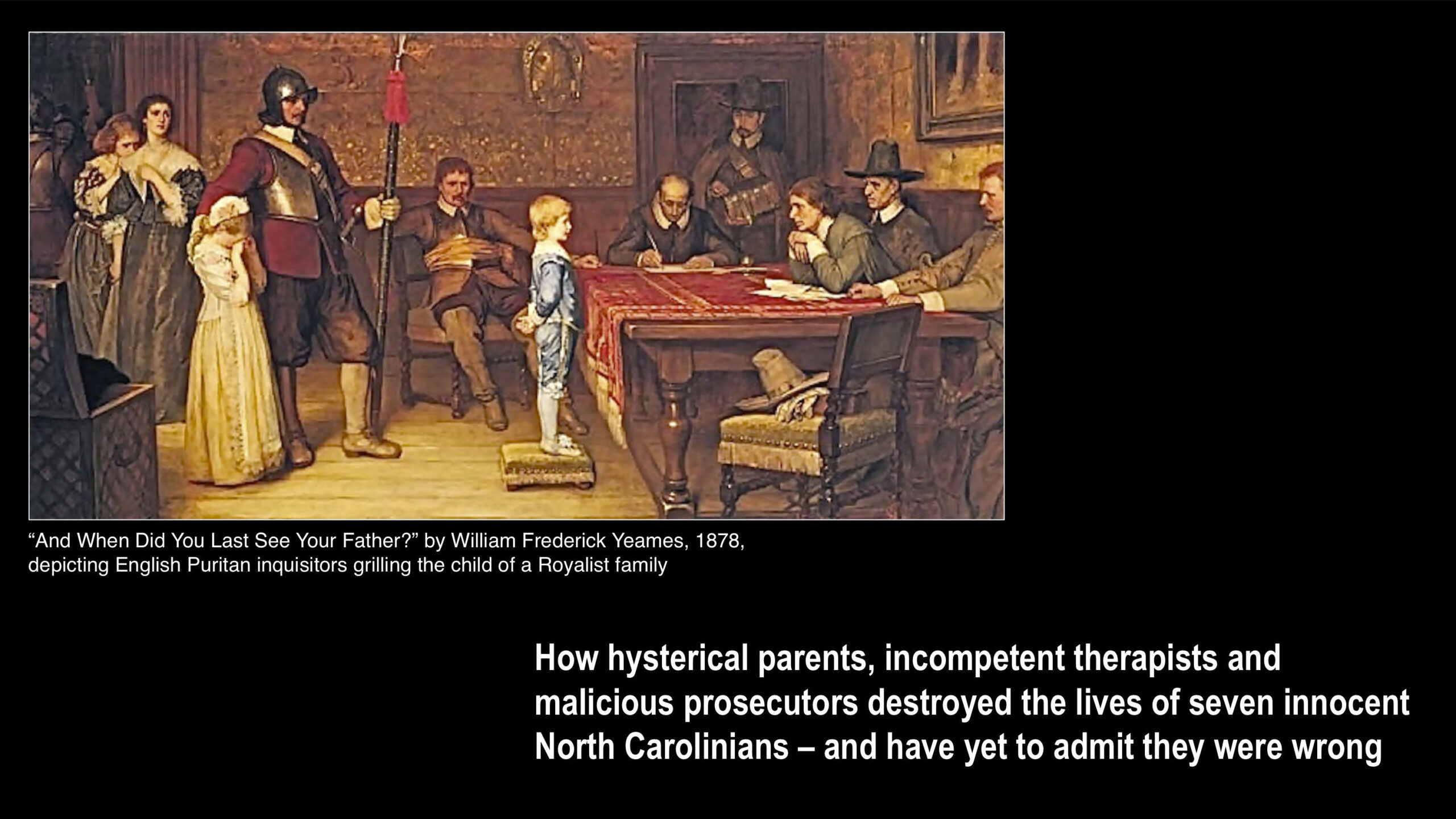
With each passing year, the absurdity of the Little Rascals charges has become more obvious. But no admission of error has ever come from prosecutors, police, interviewers or parents. This site is devoted to the issues raised by this case.
On Facebook


Little Rascals Day Care Case
This Facebook page is an offshoot of littlerascalsdaycarecase.org, which addresses the wrongful prosecution of the Edenton Seven and other such victims.

Meanwhile in Edenton....
This content isn't available right now
When this happens, it's usually because the owner only shared it with a small group of people, changed who can see it or it's been deleted.0 CommentsComment on Facebook
Allies for our cause!
This content isn't available right now
When this happens, it's usually because the owner only shared it with a small group of people, changed who can see it or it's been deleted.0 CommentsComment on Facebook
The courts have a long history of capriciously pulling the rug out from under Junior's appeals, but maybe this time....
This content isn't available right now
When this happens, it's usually because the owner only shared it with a small group of people, changed who can see it or it's been deleted.0 CommentsComment on Facebook
Click for earlier Facebook posts archived on this site
Click to go to

Today’s random selection from the Little Rascals Day Care archives….
Prosecution kept its eye on the (wrong) target
Dec. 28, 2011
“Throughout the trial, prosecuting attorneys (in the Little Rascals case) repeatedly pursued their hunches without an apparent desire to test an alternate theory. This resulted in a rather spectacular false admission by 6-year-old Andy, who had been a 3-year-old at the time of the alleged sexual abuse by Bob Kelly.
 “ ‘Prosecutor: Do you remember a time where you ever had to do anything to Mr. Bob’s hiney with your mouth?
“ ‘Andy: No, ma’am.
“ ‘Prosecutor: Do you remember telling Dr. Betty that one time you had to lick Mr. Bob’s hiney? Did that happen? Did you ever have to do that, that you didn’t want to do it?
“ ‘Andy: Yes, ma’am.’
“In reality, the prosecutor had made a mistake, thinking that the charge was that Andy had sodomized Bob Kelly, rather than the other way around. The state dropped this charge after it realized Andy had admitted to the wrong charge.
“This ought to have sensitized the prosecution to the very real dangers of pursuing a single hypothesis in the relentless manner we have described, but unfortunately it did not appear to have done so.”
– From “Jeopardy in the Courtroom: A Scientific Analysis of Children’s Testimony”
by Stephen J. Ceci and Maggie Bruck (1995)
For therapist, creating memory is easy task
 June 13, 2012
“Actually, making a false memory is pretty easy.
“(Psychologist Elizabeth) Loftus describes a father convincing his daughter she’d gotten lost in a mall when she was five years old. At first, the daughter denied any memory of the event, but as the father provided more fake details – ‘Don’t you remember that I told you we would meet at the Tug Boat?’ – the daughter began to ‘remember’ and even provide details of her own. Eventually when her father said, ‘I was so scared,’ she responded, ‘Not as scared as I was!’…
“You can probably imagine the implications of false memory in the courtroom or on the therapist’s couch (which famously leads to the courtroom)….”
– From “How You Remember, How You Decide: Memory Part II”
by Garth Sundem in Psychology Today (October 6, 2010)
‘You don’t just brush off 24 years of a man’s life’
 Oct. 12, 2012
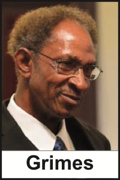
The exoneration of Willie Grimes warms my heart, and not just because the 66-year-old parolee has become “Free at last!” after a 1987 rape conviction in Hickory.
As often lamented on this site, prosecutors such as those in the Little Rascals case simply refuse to acknowledge, much less take responsibility for their mistakes.
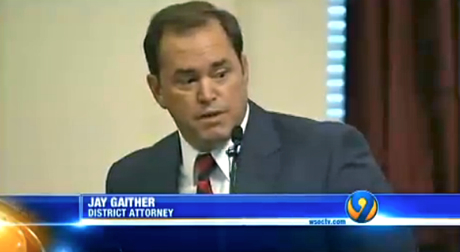
In the Grimes case, however, District Attorney Jay Gaither told the Innocence Inquiry Commission panel, “The State cannot argue any conclusion other than for innocence in the case of Willie Grimes,” then rested the state’s case and sat down.
Afterward, he explained that “In this week’s presentation of evidence we counted no less than 35 pieces of evidence and testimony in support of innocence…. The fact that the three-judge panel was so emphatic in its conclusion and decision only strengthens the confidence I have in our decision.”
 But Gaither went even further, on camera and rebroadcast by WSOC-TV: “On behalf of the district attorneys of North Carolina, I want to offer an apology to Willie Grimes.”
Yes – an apology!
Although the Grimes conviction occurred long before Gaither took office in 2002, DAs often feel compelled to defend even their predecessors’ performance. As former New York prosecutor Bennett Gershman has observed, “The prosecutor can’t do anything that undermines the public’s confidence in the prosecutor’s office. Once the public begins to doubt that prosecutors convict guilty people – that there may be mistakes in the system – that undermines confidence in the prosecutor….”
Gaither took the opposite approach. “You don’t just brush off 24 years of a man’s life and go on,” he told me Wednesday. “A series of events denied Mr. Grimes a fair trial. Closure was required.
“I wanted the public, as well as Mr. Grimes, to know that we weren’t just beat down, but that we were actually sorry.” (Click Gaither’s picture above to watch the broadcast that includes video of the courtroom apology.)
Also notable is how Gaither framed his apology: “I was speaking not so much for district attorneys as individuals, as for the State of North Carolina…. Only 44 of us have that right to say ‘The state says….’ ”
In this case, that right was admirably used. Would that it happened more often.
Today’s anonymous fan mail: ‘You should be investigated yourself’
May 4, 2018
“Only a pedophile would attempt to justify other pedophiles. If you didn’t follow the case in the news at the time or attend the trial,
how do you know they’re innocent? The fact is you don’t and are just saying they are to brush the incident under the rug.
“You should be investigated yourself.”
