Rascals case in brief
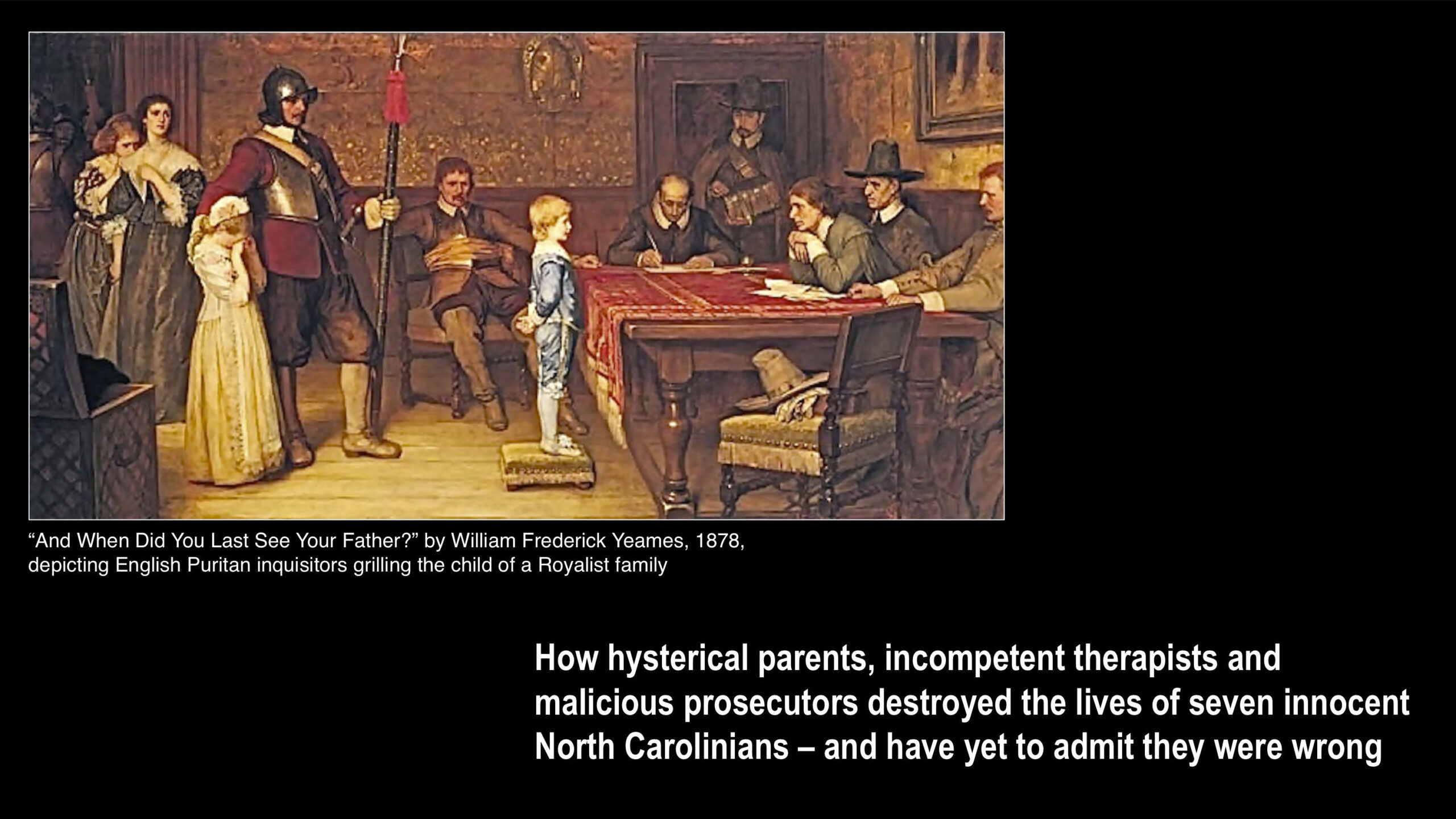
In the beginning, in 1989, more than 90 children at the Little Rascals Day Care Center in Edenton, North Carolina, accused a total of 20 adults with 429 instances of sexual abuse over a three-year period. It may have all begun with one parent’s complaint about punishment given her child.
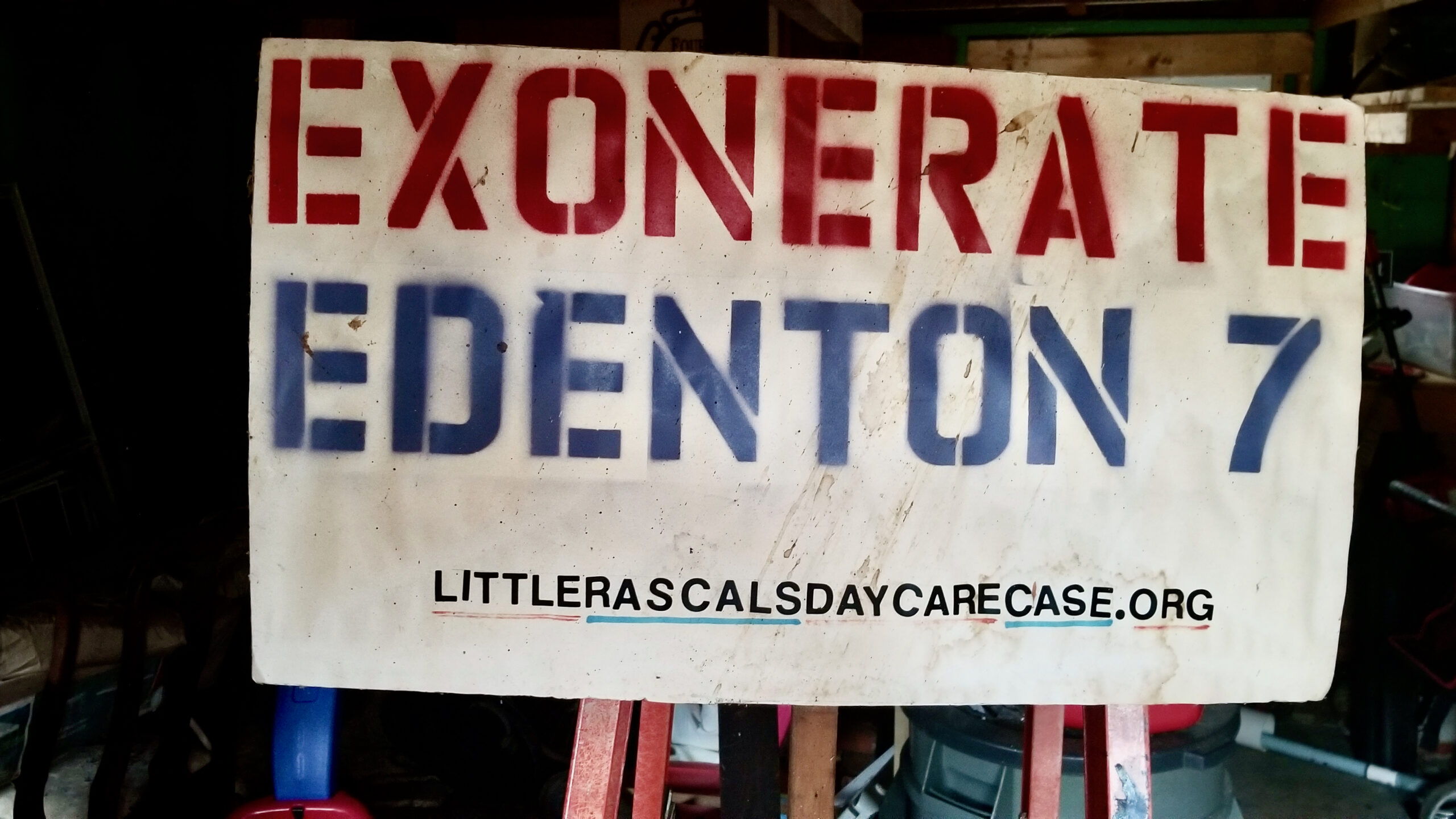
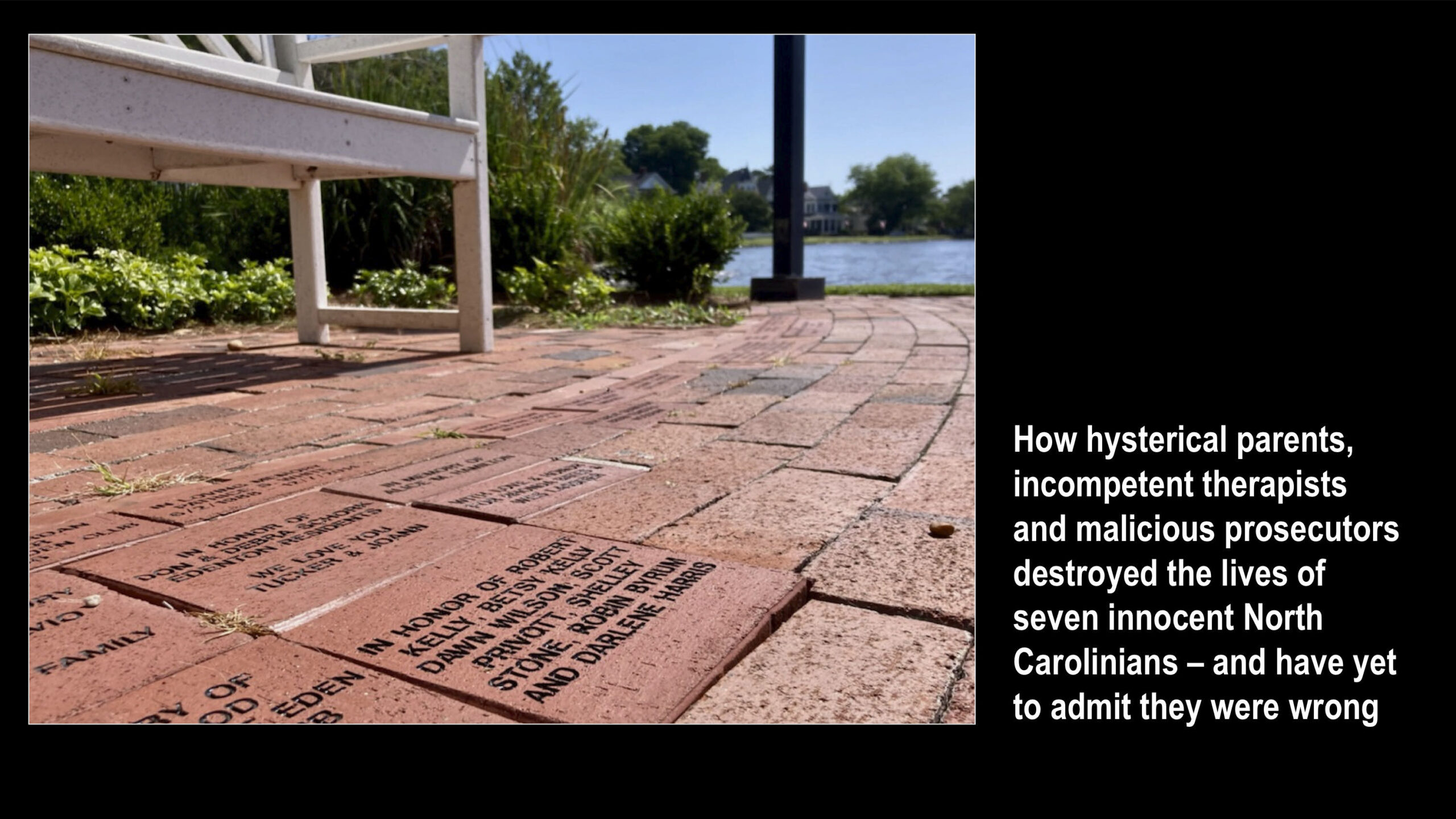
Among the alleged perpetrators: the sheriff and mayor. But prosecutors would charge only Robin Byrum, Darlene Harris, Elizabeth “Betsy” Kelly, Robert “Bob” Kelly, Willard Scott Privott, Shelley Stone and Dawn Wilson – the Edenton 7.
Along with sodomy and beatings, allegations included a baby killed with a handgun, a child being hung upside down from a tree and being set on fire and countless other fantastic incidents involving spaceships, hot air balloons, pirate ships and trained sharks.
By the time prosecutors dropped the last charges in 1997, Little Rascals had become North Carolina’s longest and most costly criminal trial. Prosecutors kept defendants jailed in hopes at least one would turn against their supposed co-conspirators. Remarkably, none did. Another shameful record: Five defendants had to wait longer to face their accusers in court than anyone else in North Carolina history.
Between 1991 and 1997, Ofra Bikel produced three extraordinary episodes on the Little Rascals case for the PBS series “Frontline.” Although “Innocence Lost” did not deter prosecutors, it exposed their tactics and fostered nationwide skepticism and dismay.
With each passing year, the absurdity of the Little Rascals charges has become more obvious. But no admission of error has ever come from prosecutors, police, interviewers or parents. This site is devoted to the issues raised by this case.
On Facebook


Little Rascals Day Care Case
This Facebook page is an offshoot of littlerascalsdaycarecase.org, which addresses the wrongful prosecution of the Edenton Seven and other such victims.

Meanwhile in Edenton....
This content isn't available right now
When this happens, it's usually because the owner only shared it with a small group of people, changed who can see it or it's been deleted.0 CommentsComment on Facebook
Allies for our cause!
This content isn't available right now
When this happens, it's usually because the owner only shared it with a small group of people, changed who can see it or it's been deleted.0 CommentsComment on Facebook
The courts have a long history of capriciously pulling the rug out from under Junior's appeals, but maybe this time....
This content isn't available right now
When this happens, it's usually because the owner only shared it with a small group of people, changed who can see it or it's been deleted.0 CommentsComment on Facebook
Click for earlier Facebook posts archived on this site
Click to go to

Today’s random selection from the Little Rascals Day Care archives….
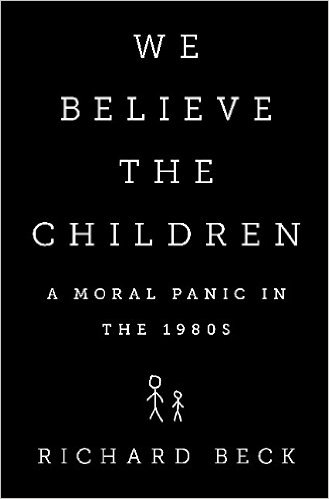
At last, book lays bare ‘satanic ritual abuse’ era
 Aug. 10, 2015
Since I undertook this blog in 2011, I’ve been waiting for a mass-market book that recalls the “satanic ritual abuse” day-care era with authority, insight and thoroughness.
“We Believe the Children: A Moral Panic in the 1980s” comes pretty darn close to meeting that standard. (I do wish author Richard Beck had addressed the significant post-panic contributions of Richard Noll and Allen Frances.)
I’ll be posting excerpts from the book and later an interview with Beck.
Meanwhile, I’ve been pleased to see the reviews in the news media – so far, all largely appreciative.
“…This book does a devil of a job correcting… all the lies and self-deceptions, so credulously believed in the 1980s….”
– From “Child Abuse Cases Endure as Lessons in Hysteria” by Mark Oppenheimer in The New York Times (Aug. 6)
“ ‘We Believe the Children’ should serve to remind us of the dangers of the ‘we must believe the victim’ mindset in the case of any criminal offense. A faith-based pursuit of justice can lead to a miscarriage of justice.”
– From “What Fueled the Child Sex Abuse Scandal That Never Was?” by Lizzie Crocker at the Daily Beast (Aug. 3)
“ ‘We Believe the Children’ reveals the various combinations of ignorance, venality, arrogance and zealotry that characterized the major players who fueled the moral panic.”
– From “A Very Model Moral Panic” by Carol Tavris in the Wall Street Journal (Aug. 7)
Here also is a radio interview with Beck and – inevitably – a response from witch-hunt denier Ross Cheit.
When did Little Rascals myth become lie?
Nov. 23, 2012
“The great enemy of the truth is very often not the lie – deliberate, contrived and dishonest – but the myth – persistent, persuasive and unrealistic.”
– John F. Kennedy
Viewed most generously, Little Rascals therapists and prosecutors fell for and promulgated the myth. But when they obstinately refused to consider ever-growing evidence to the contrary, they ended up defending the lie.
If anyone deserves pardon, why not Edenton Seven?
May 30, 2012
Is the case for pardoning the Wilmington 10 any more compelling than that for pardoning the Edenton Seven?
As the N&O’s Bruce Siceloff points out, “Somebody firebombed Mike’s Grocery, a white-owned store in a black Wilmington neighborhood, during three days of racial violence in February 1971. When firefighters and police came to put out the blaze, somebody fired shots at them.”
In Edenton, by contrast, no crime was committed, making exoneration all the more challenging: There’s no alternative “somebody” to point to.
27 million chances to provoke mass hysteria
Sept. 26, 2012
“The (Little Rascals) kids stories have unerringly followed the ritual abuse plot, progressing lately to tales of witnessing babies slaughtered. Perhaps not coincidentally, their most bizarre allegations began surfacing around the time that 27 million viewers watched ‘Do You Know the Muffin Man?’ a (Lifetime TV) movie that rehashed details from several ritual abuse cases, but included the wholly fictional climax of parents discovering day-care teachers worshipping the devil amidst piles of kiddie porn.”
– From “The Ritual Sex Abuse Hoax” by Debbie Nathan (Village Voice, January 12, 1990)
“Muffin Man” aired October 22, 1989 – simultaneous with not only the ongoing arrests of Little Rascals defendants but also the satanic-baby-kidnap rumor sweeping East North Carolina.
“These stories keep cropping up all over the country,” observes the “Muffin Man” prosecutor. “With this many Satan ritual abuse cases, there has got to be something out there.” (In the Little Rascals case, this “Where there’s smoke…” rationale was most notoriously put forth by UNC Chapel Hill psychologist Mark Everson.)
In Bucks County, Pa., however, District Attorney Alan Rubenstein couldn’t help noticing that complaints about ritual abuse at Breezy Point Day School went from a trickle to a torrent the day after “Muffin Man” aired. Unlike so many other prosecutors in Edenton and elsewhere, Rubenstein saw through the claims and crushingly debunked them.