Rascals case in brief
In the beginning, in 1989, more than 90 children at the Little Rascals Day Care Center in Edenton, North Carolina, accused a total of 20 adults with 429 instances of sexual abuse over a three-year period. It may have all begun with one parent’s complaint about punishment given her child.
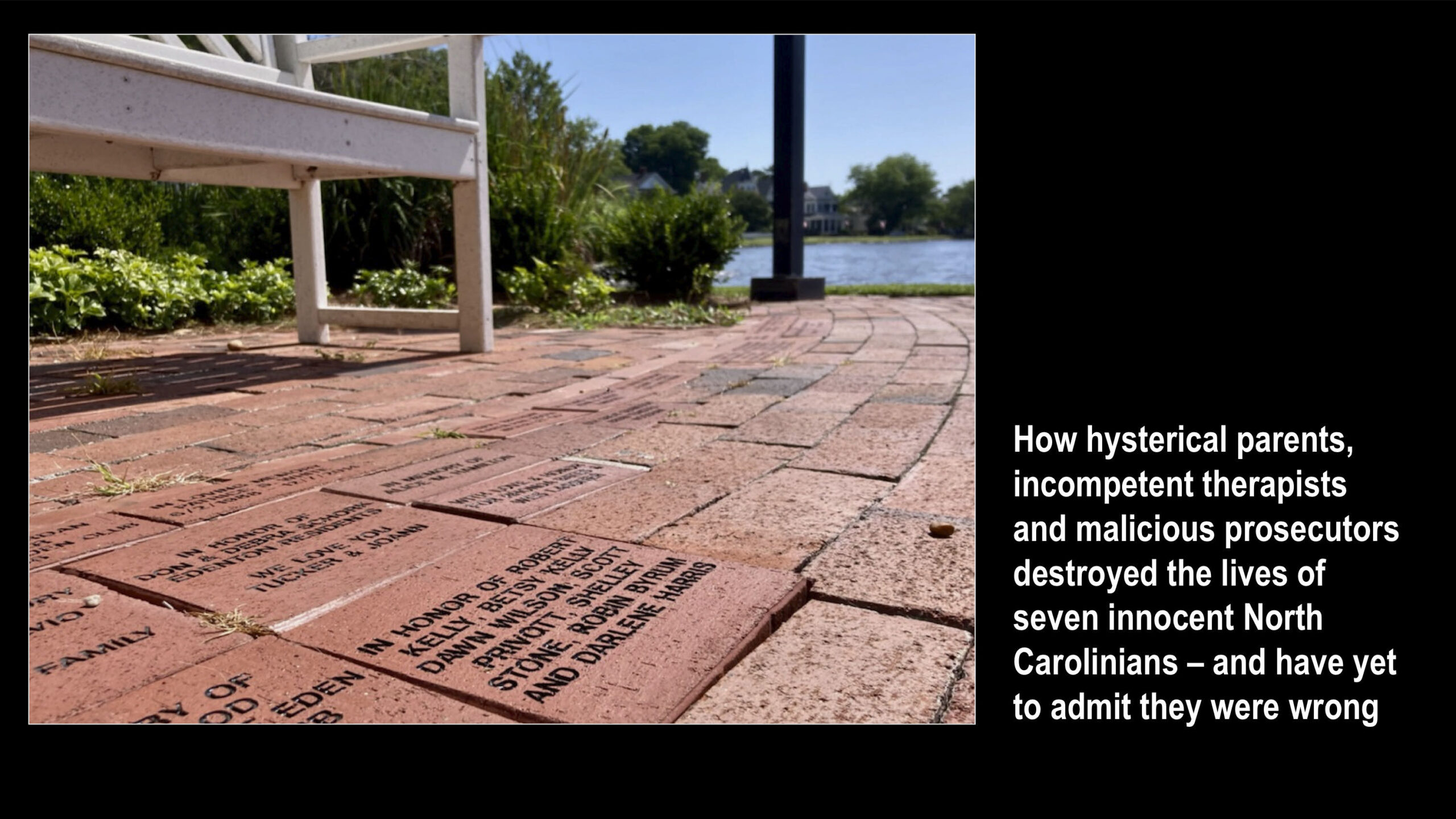
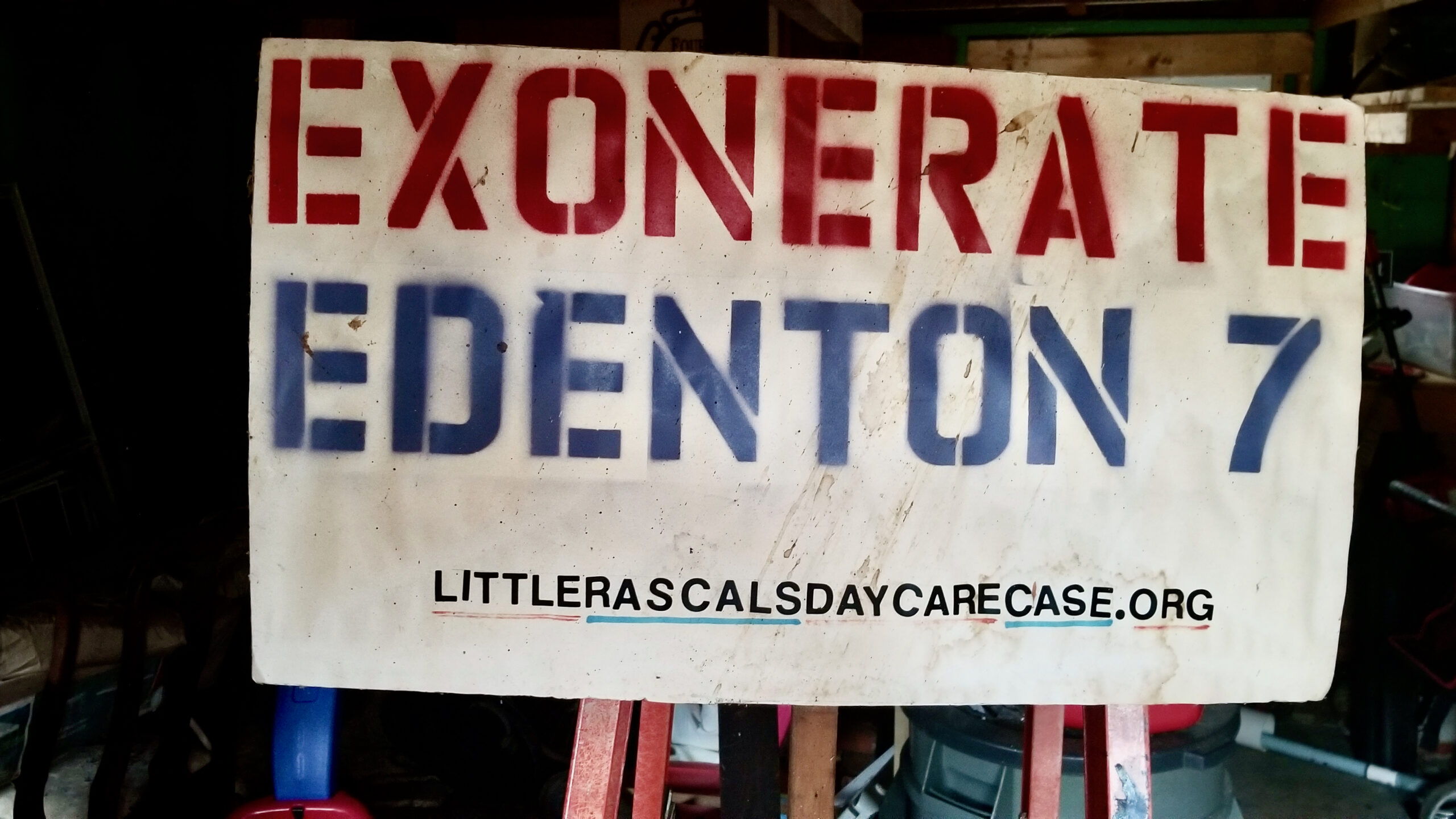
Among the alleged perpetrators: the sheriff and mayor. But prosecutors would charge only Robin Byrum, Darlene Harris, Elizabeth “Betsy” Kelly, Robert “Bob” Kelly, Willard Scott Privott, Shelley Stone and Dawn Wilson – the Edenton 7.
Along with sodomy and beatings, allegations included a baby killed with a handgun, a child being hung upside down from a tree and being set on fire and countless other fantastic incidents involving spaceships, hot air balloons, pirate ships and trained sharks.
By the time prosecutors dropped the last charges in 1997, Little Rascals had become North Carolina’s longest and most costly criminal trial. Prosecutors kept defendants jailed in hopes at least one would turn against their supposed co-conspirators. Remarkably, none did. Another shameful record: Five defendants had to wait longer to face their accusers in court than anyone else in North Carolina history.
Between 1991 and 1997, Ofra Bikel produced three extraordinary episodes on the Little Rascals case for the PBS series “Frontline.” Although “Innocence Lost” did not deter prosecutors, it exposed their tactics and fostered nationwide skepticism and dismay.
With each passing year, the absurdity of the Little Rascals charges has become more obvious. But no admission of error has ever come from prosecutors, police, interviewers or parents. This site is devoted to the issues raised by this case.
On Facebook


Little Rascals Day Care Case
This Facebook page is an offshoot of littlerascalsdaycarecase.org, which addresses the wrongful prosecution of the Edenton Seven and other such victims.

Meanwhile in Edenton....
This content isn't available right now
When this happens, it's usually because the owner only shared it with a small group of people, changed who can see it or it's been deleted.0 CommentsComment on Facebook
Allies for our cause!
This content isn't available right now
When this happens, it's usually because the owner only shared it with a small group of people, changed who can see it or it's been deleted.0 CommentsComment on Facebook
The courts have a long history of capriciously pulling the rug out from under Junior's appeals, but maybe this time....
This content isn't available right now
When this happens, it's usually because the owner only shared it with a small group of people, changed who can see it or it's been deleted.0 CommentsComment on Facebook
Click for earlier Facebook posts archived on this site
Click to go to

Today’s random selection from the Little Rascals Day Care archives….
The imaginations run amok were not the children’s
 May 27, 2015
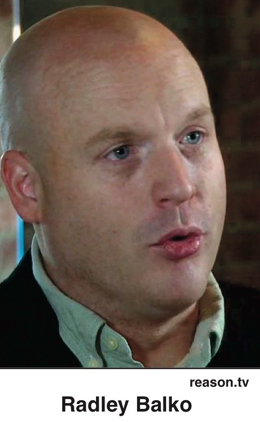
“Here’s an observation from the (“satanic ritual abuse” day-care) panic that I don’t think has been fully explored: These kids didn’t make up these stories.
“In this case (of Fran and Dan Keller) and dozens of others, the kids were telling tales with details about geography, history and current events about which kids of their age couldn’t have known. That’s likely what made their stories seem somewhat credible. But the fact that it all was fictitious reveals a particularly unsettling truth:
“These sick, lurid, unimaginable abuses could only have been a product of the imaginations of the therapists, social workers, cops and/or prosecutors who interviewed the children. If the memories were implanted, those are the only people who could have implanted them.
“That means that the same people entrusted to protect these kids, and in whom these communities trusted to police the streets, prosecute crimes and administer therapy, were ultimately the ones capable of dreaming up detailed sexual fantasies that put children in bizarre rituals involving violence, animals, corpses and so on.
“There’s a lot to be learned from these cases. For one, there are lessons about professional accountability:
“Not only were the vast majority of the prosecutors who put these innocent people in prison in these cases never sanctioned, but also most went on to great professional success, sometimes because of their role in these high-profile cases, and sometimes even after it was widely known that the people they prosecuted were innocent.
“There are other lessons here about how we screen ‘expert’ witnesses, and how bad science gets into the courtroom. There are lessons about the power of suggestion that could be applied to eyewitness testimony and how we conduct police lineups.
“But the drawing of lessons is something we typically do once a crisis is over. This one still isn’t. There are “still people in prison awaiting exoneration.”
– From “The ongoing legacy of the great satanic sex abuse panic” by Radley Balko in the Washington Post (May 26)
Is there something about “satanic ritual abuse” cases that knocks courts off their game? Although the Texas Court of Appeals manages to overturn (at last!) the child sexual abuse charges against day-care operators Fran and Dan Keller, it can’t bring itself to acknowledge their actual innocence. Thanks to Judge Cheryl Johnson for her clear-eyed concurring opinion noting that “This was a witch hunt from the beginning.”
Lack of DNA evidence opens way for injustice
 April 18, 2015
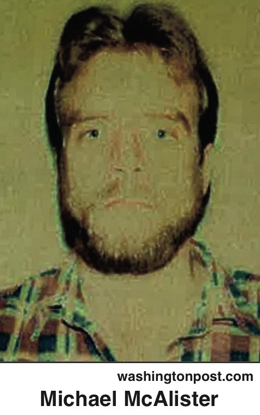
“DNA testing has been used 329 times now to prove the innocence of people wrongly convicted of a crime. But what happens when there is no DNA evidence to prove someone’s innocence? What happens when there is only his word, and the mounded doubts of the team that prosecuted and convicted him? And what happens when – despite growing certainty that it has imprisoned the wrong man for more than 20 years – the Commonwealth of Virginia stands poised to keep him locked up, possibly forever?
“Of all the maddening stories of wrongful convictions, Michael McAlister’s may be one of the worst. For starters, he has been in prison for 29 years for an attempted rape he almost certainly did not commit….”
– From “This Man Deserves a Pardon” by Dahlia Lithwick at Slate (April 13)
Michael McAlister’s story surely qualifies as “one of the worst,” but forgive me if I think Junior Chandler – coincidentally now serving his 29th year of imprisonment – has suffered every bit as much injustice. And in McAlister’s case at least a crime was actually committed, just not by him.
Why we want to forget the day-care abuse craziness
 July 6, 2012
“When you once believed something that now strikes you as absurd, even unhinged, it can be almost impossible to summon that feeling of credulity again.
“Maybe that is why it is easier for most of us to forget, rather than to try and explain, the Satanic-abuse scare that gripped this country in the early ‘80s – the myth that Devil-worshipers had set up shop in our day-care centers, where their clever adepts were raping and sodomizing children, practicing ritual sacrifice, shedding their clothes, drinking blood and eating feces, all unnoticed by parents, neighbors and the authorities.”
– Margaret Talbot, writing in The New York Times Magazine, Jan. 7, 2001
Injustice without amends: ‘We should be ashamed’
 Aug. 4, 2015
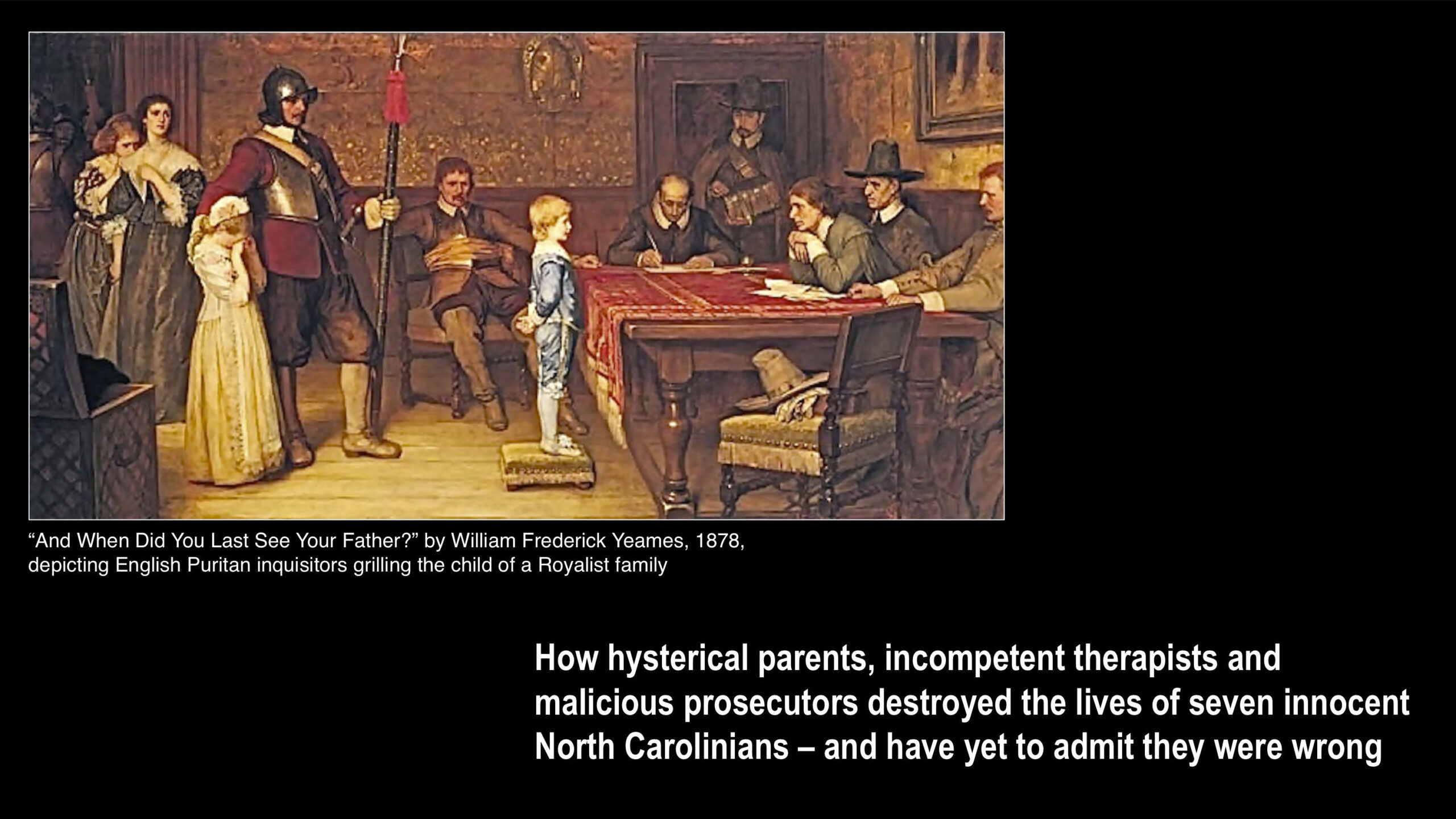
“Some have drawn parallels between the Salem witch trials of 1692 and the false accusations of sexual abuse that sweptc America in the 1980s. The difference is this:
“Those falsely accused in Salem got public apologies from their accusers and reparations. No such luck for the dozens of day-care workers and others who were falsely accused and imprisoned in modern-day America.
“We should be ashamed.”
– From “How the daycare child abuse hysteria of the 1980s became a witch hunt,” a review of “We Believe the Children,” by Maura Casey in the Washington Post (July 31)
I’ll have more soon on Richard Beck’s important new addition to the “satanic ritual abuse” bookshelf.