Rascals case in brief
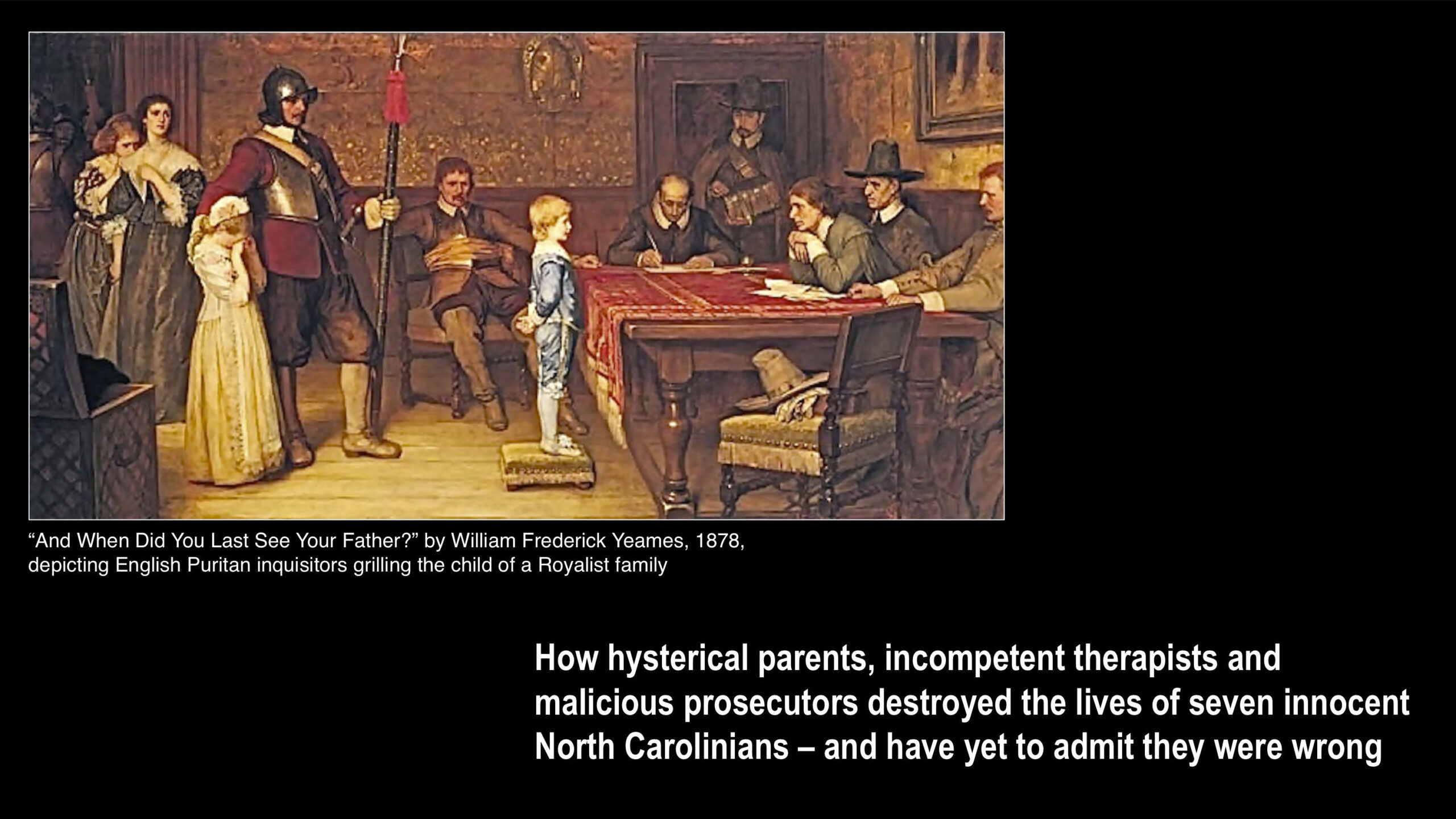
In the beginning, in 1989, more than 90 children at the Little Rascals Day Care Center in Edenton, North Carolina, accused a total of 20 adults with 429 instances of sexual abuse over a three-year period. It may have all begun with one parent’s complaint about punishment given her child.
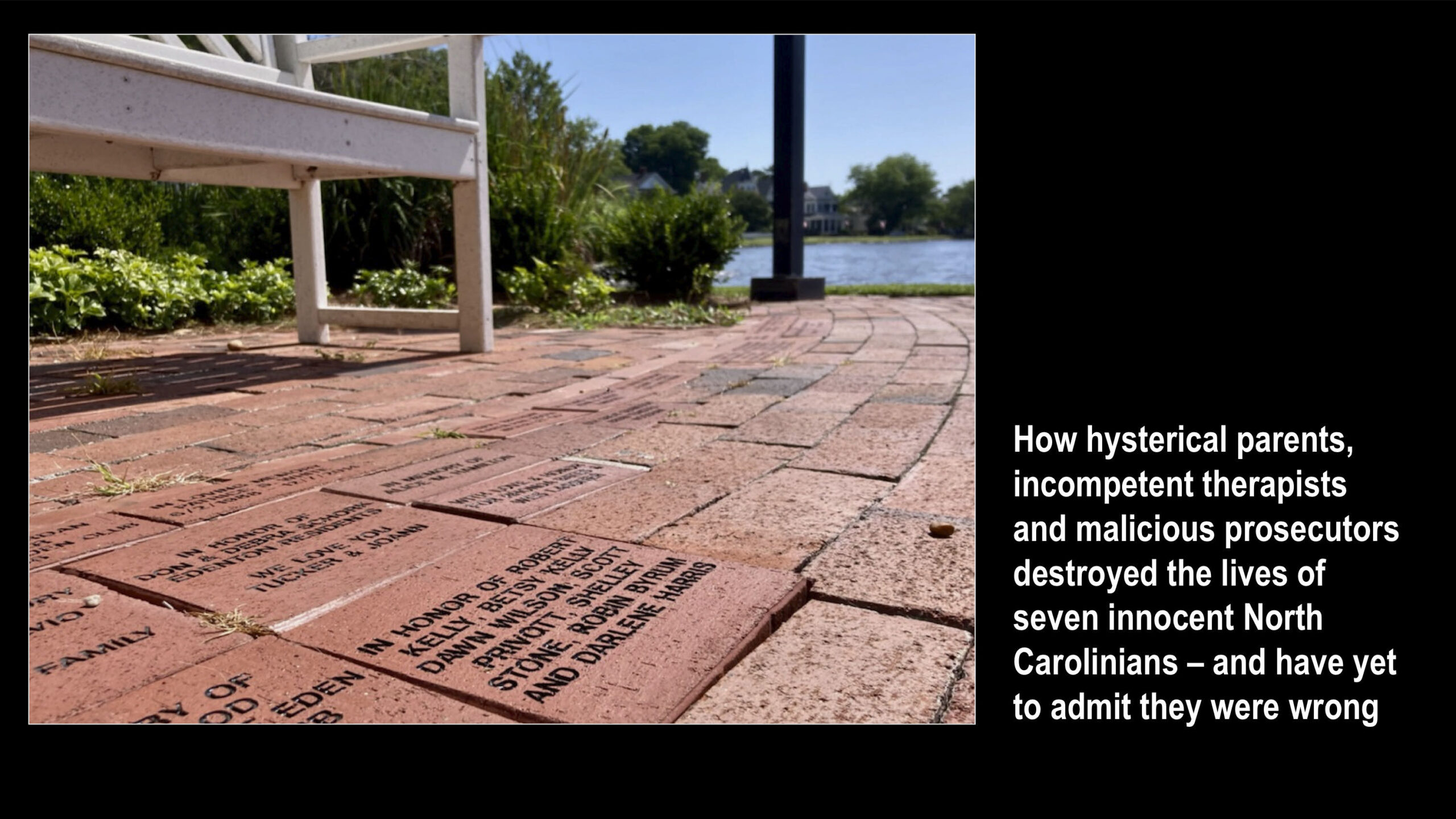
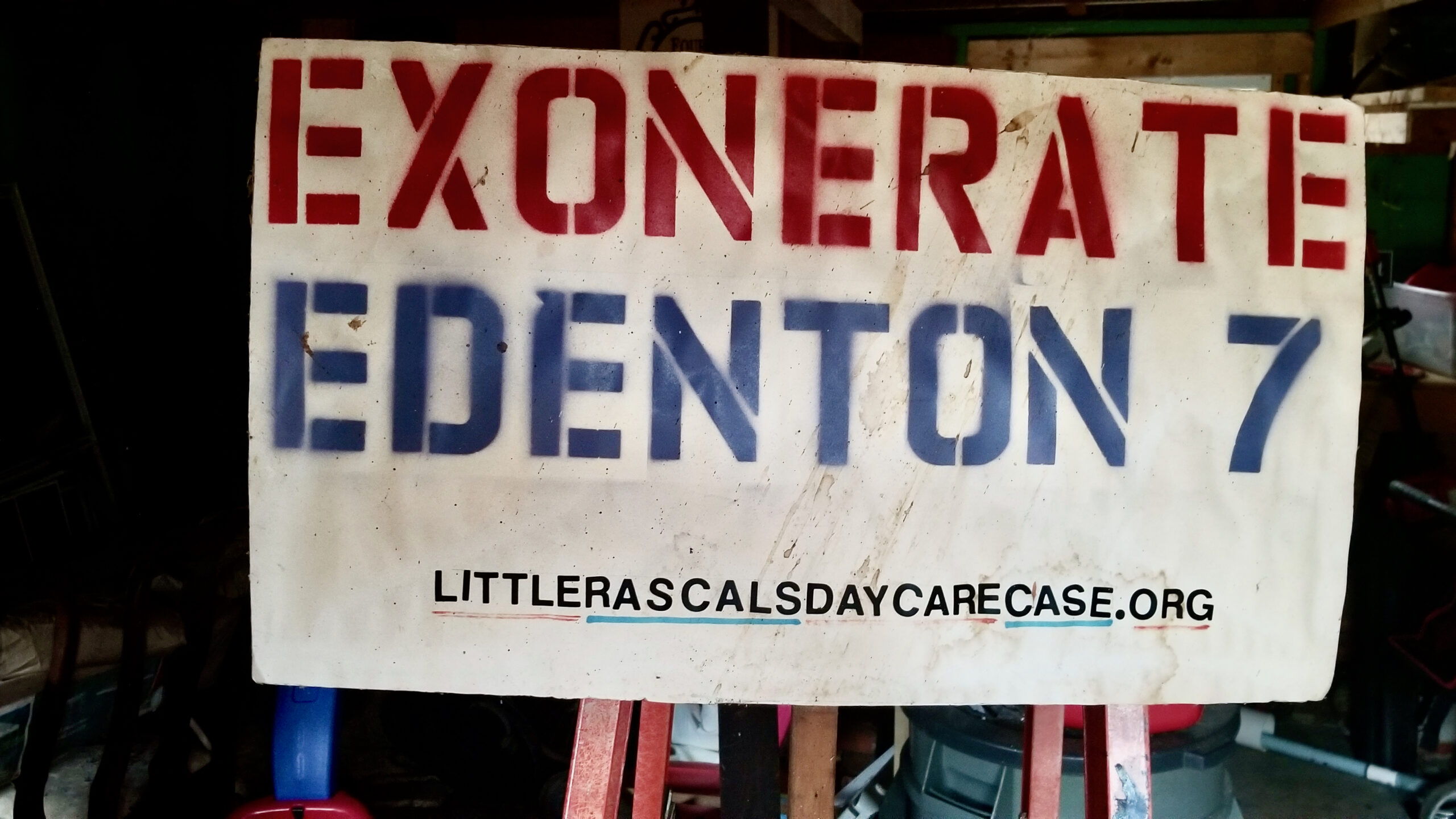
Among the alleged perpetrators: the sheriff and mayor. But prosecutors would charge only Robin Byrum, Darlene Harris, Elizabeth “Betsy” Kelly, Robert “Bob” Kelly, Willard Scott Privott, Shelley Stone and Dawn Wilson – the Edenton 7.
Along with sodomy and beatings, allegations included a baby killed with a handgun, a child being hung upside down from a tree and being set on fire and countless other fantastic incidents involving spaceships, hot air balloons, pirate ships and trained sharks.
By the time prosecutors dropped the last charges in 1997, Little Rascals had become North Carolina’s longest and most costly criminal trial. Prosecutors kept defendants jailed in hopes at least one would turn against their supposed co-conspirators. Remarkably, none did. Another shameful record: Five defendants had to wait longer to face their accusers in court than anyone else in North Carolina history.
Between 1991 and 1997, Ofra Bikel produced three extraordinary episodes on the Little Rascals case for the PBS series “Frontline.” Although “Innocence Lost” did not deter prosecutors, it exposed their tactics and fostered nationwide skepticism and dismay.
With each passing year, the absurdity of the Little Rascals charges has become more obvious. But no admission of error has ever come from prosecutors, police, interviewers or parents. This site is devoted to the issues raised by this case.
On Facebook


Little Rascals Day Care Case
This Facebook page is an offshoot of littlerascalsdaycarecase.org, which addresses the wrongful prosecution of the Edenton Seven and other such victims.

Meanwhile in Edenton....
This content isn't available right now
When this happens, it's usually because the owner only shared it with a small group of people, changed who can see it or it's been deleted.0 CommentsComment on Facebook
Allies for our cause!
This content isn't available right now
When this happens, it's usually because the owner only shared it with a small group of people, changed who can see it or it's been deleted.0 CommentsComment on Facebook
The courts have a long history of capriciously pulling the rug out from under Junior's appeals, but maybe this time....
This content isn't available right now
When this happens, it's usually because the owner only shared it with a small group of people, changed who can see it or it's been deleted.0 CommentsComment on Facebook
Click for earlier Facebook posts archived on this site
Click to go to

Today’s random selection from the Little Rascals Day Care archives….
The reign of fantasy as therapy, recalled in a single chart
May 3, 2014
As I’ve noted before, the Google Ngram Viewer mines a database of more than 5 million books to track word and phrase frequencies over time.
Too bad it abruptly ends at 2008, but the graph above still plots clearly the rise and fall of not only “(satanic) ritual abuse” but also two other examples of the 20th century’s most misguided ideas.
Let’s hope their decline continues uninterrupted.
Parents gave thumbs down to first ‘Innocence Lost’
June 5, 2013
“More than 50 parents of alleged child victims in the Edenton day care sex abuse case issued a statement Tuesday criticizing ‘Innocence Lost’ (after) reviewers in the national press hailed the show as a compelling portrait of a small town that may have become overcome with mass hysteria:….
“ ‘ “Innocence Lost” conveyed the false impression that parents of the children came to the conclusions of sexual abuse as a hysterical reaction to rumors of abuse.
“ ‘We, as parents, came to the devastating conclusion of the sexual abuse of our children after great reluctance and only after the most convincing evidence, evidence which could not be revealed in interviews for “Innocence Lost” and can only be revealed during the trials of the defendants.’
“Specifically, the parents faulted the show for:
- “Failing to make clear that parents could not discuss ‘the factual reasons for the determinations of sexual abuse’ because of pending trials.
- “Suggesting to viewers that three state-sponsored, local therapists were responsible for evaluating the children when ‘in fact, the children were evaluated by no less than eight independent therapists, none of whom live or practice in Edenton, N.C.’
- “Giving the impression that the families who used the day care center were a ‘prestigious group’ when they represent a ‘broad economic and social cross-section of the town of Edenton.’ ”
– From “Day care parents resent implications of hysteria” (News & Observer, May 15, 1991)
Most disingenuous is the Little Rascals parents’ claim that “the most convincing evidence… could not be revealed in interviews for ‘Innocence Lost’ and can only be revealed during the trials of the defendants.”
In fact, it was the parents themselves who had so excitedly “revealed” the supposed evidence and sent it coursing unchecked through the town’s consciousness, reproducing and mutating as it spread, and resulting in unimaginable tragedy.
Reality notwithstanding, ritual-abuse report lives on
 Nov. 26, 2012
Although no mention of the notorious Report of the Ritual Abuse Task Force is to be found on the Los Angeles County Commission for Women web site, I was curious whether an original booklet might still be available.
Sure enough, a few weeks after I mailed my request to the commission a pristine copy arrived. The text is widely available online, but somehow the experience of holding and reading it is even… creepier.
“Ritual abuse is a serious and growing problem in our community and in our nation…,” it begins. “Society is only just beginning to recognize the gravity and scope…. Parents need to be educated about the hallmarks of this abuse occurring in preschools and day care centers….
“The ritual abuse in such an institutional setting is not incidental to its operation, but is in fact intrinsic, the very reason for the institution’s existence….
“To victimize and indoctrinate as many young children as possible, (ritual abusers) frequently function together in groups in the operation of preschools, day-care services and baby-sitting services, providing themselves access to children outside of their own families.”
Even now, when the case for ritual abuse no longer draws a crowd, the Report of the Ritual Abuse Task Force continues to be cited respectfully, as in “Healing the Unimaginable: Treating Ritual Abuse and Mind Control” (2011), “If the West Falls: Globalization, the End of America and Biblical Prophecy” (2011) and “Healing the Soul after Religious Abuse: The Dark Heaven of Recovery” (2009).
What must it take to slay the ritual-abuse dragon – a stake through the heart?
X-factor in child-witnesses’ accounts: TV
Aug. 9, 2013
“(One) area of uncertainty is the extent to which sexual knowledge is learned by young children through exposure to either explicit or sexually suggestive materials on television, video and movies. Studies indicate that children watch from 14 to 23 hours of television a week with the highest level among preschoolers. About a third of them do so without parental involvement in what they watch.”
– From “Evidence Issues and ‘Lessons’ from State v. Kelly: Litigation of Allegations of Child Sexual Abuse” by Jeffrey L. Miller and W. Michael Spivey, presented at the 6th annual North Carolina Criminal Evidence Seminar, UNC School of Law (April 16, 1993)
Among the “suggestive materials” that aired during the early days of the Little Rascals allegations: “Do You Know the Muffin Man?”