Rascals case in brief
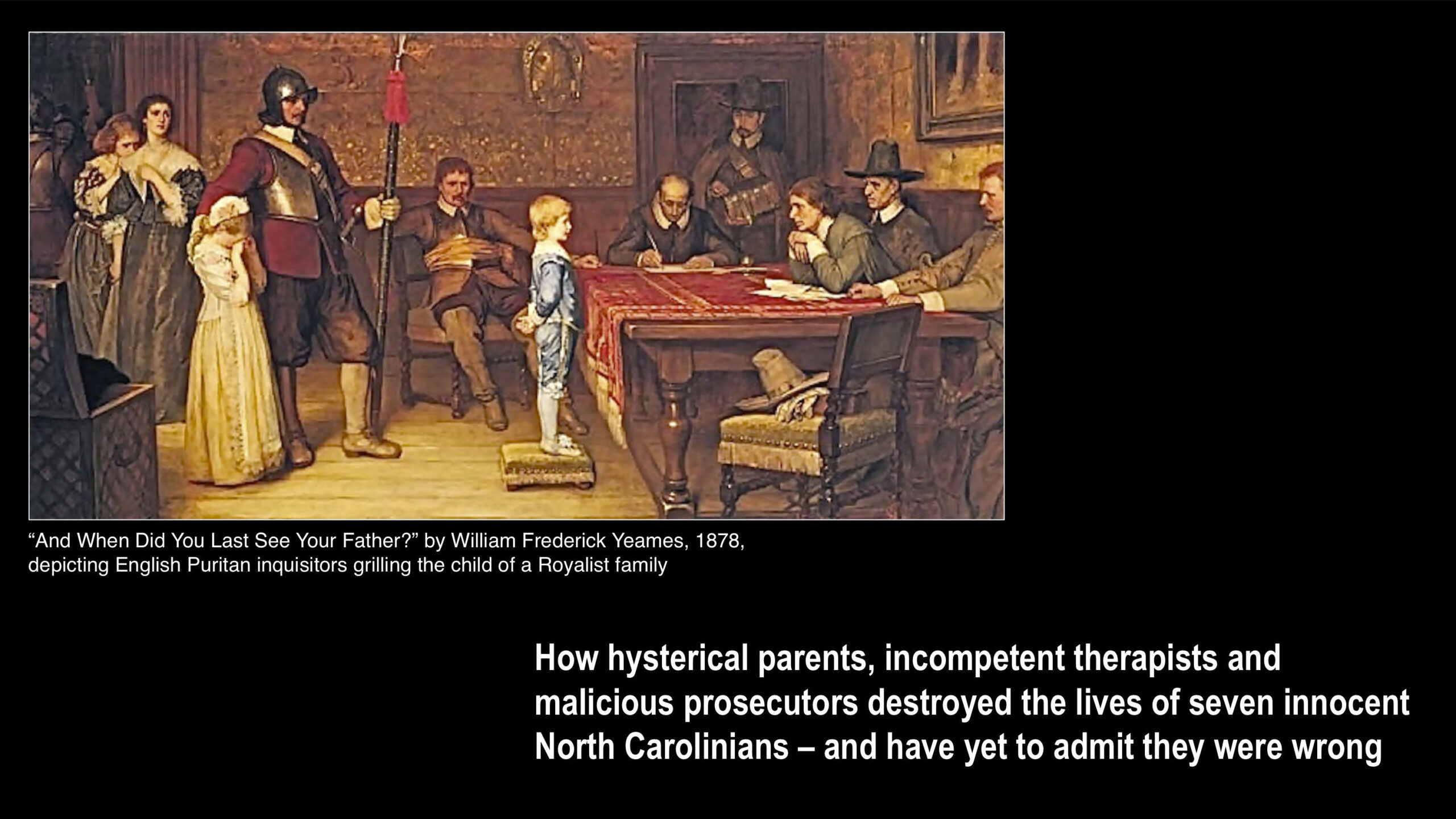
In the beginning, in 1989, more than 90 children at the Little Rascals Day Care Center in Edenton, North Carolina, accused a total of 20 adults with 429 instances of sexual abuse over a three-year period. It may have all begun with one parent’s complaint about punishment given her child.
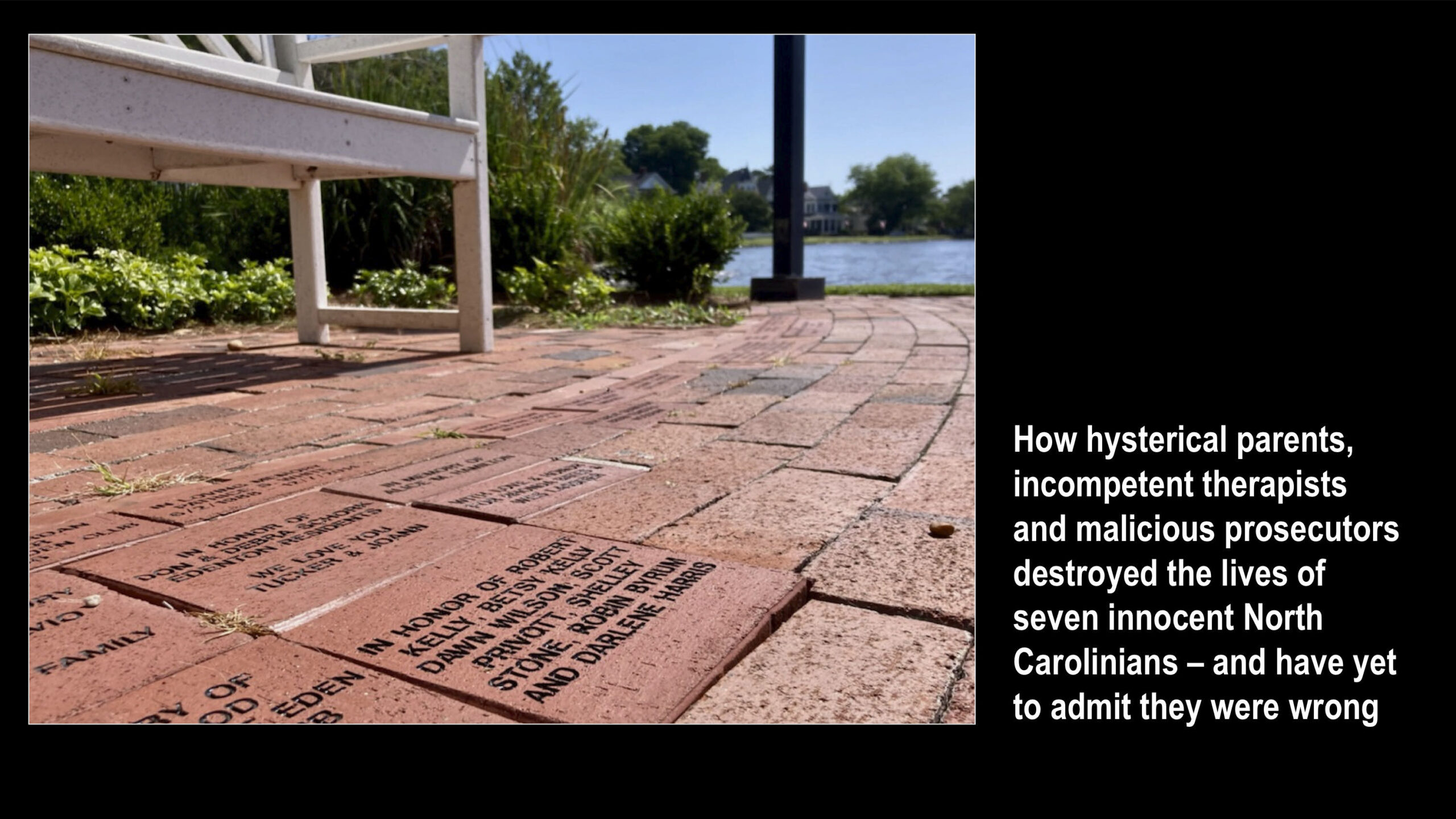
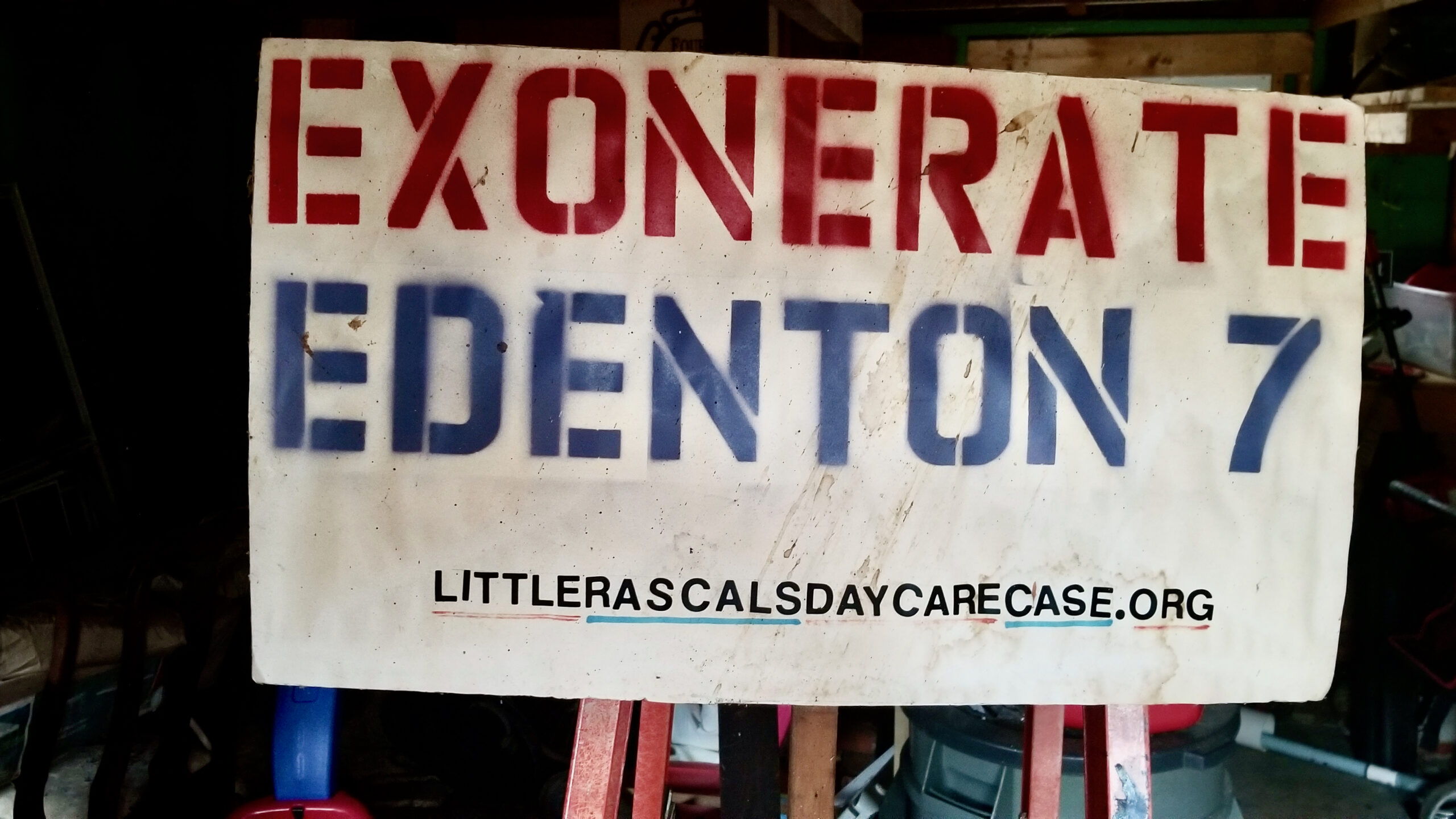
Among the alleged perpetrators: the sheriff and mayor. But prosecutors would charge only Robin Byrum, Darlene Harris, Elizabeth “Betsy” Kelly, Robert “Bob” Kelly, Willard Scott Privott, Shelley Stone and Dawn Wilson – the Edenton 7.
Along with sodomy and beatings, allegations included a baby killed with a handgun, a child being hung upside down from a tree and being set on fire and countless other fantastic incidents involving spaceships, hot air balloons, pirate ships and trained sharks.
By the time prosecutors dropped the last charges in 1997, Little Rascals had become North Carolina’s longest and most costly criminal trial. Prosecutors kept defendants jailed in hopes at least one would turn against their supposed co-conspirators. Remarkably, none did. Another shameful record: Five defendants had to wait longer to face their accusers in court than anyone else in North Carolina history.
Between 1991 and 1997, Ofra Bikel produced three extraordinary episodes on the Little Rascals case for the PBS series “Frontline.” Although “Innocence Lost” did not deter prosecutors, it exposed their tactics and fostered nationwide skepticism and dismay.
With each passing year, the absurdity of the Little Rascals charges has become more obvious. But no admission of error has ever come from prosecutors, police, interviewers or parents. This site is devoted to the issues raised by this case.
On Facebook


Little Rascals Day Care Case
This Facebook page is an offshoot of littlerascalsdaycarecase.org, which addresses the wrongful prosecution of the Edenton Seven and other such victims.

Meanwhile in Edenton....
This content isn't available right now
When this happens, it's usually because the owner only shared it with a small group of people, changed who can see it or it's been deleted.0 CommentsComment on Facebook
Allies for our cause!
This content isn't available right now
When this happens, it's usually because the owner only shared it with a small group of people, changed who can see it or it's been deleted.0 CommentsComment on Facebook
The courts have a long history of capriciously pulling the rug out from under Junior's appeals, but maybe this time....
This content isn't available right now
When this happens, it's usually because the owner only shared it with a small group of people, changed who can see it or it's been deleted.0 CommentsComment on Facebook
Click for earlier Facebook posts archived on this site
Click to go to

Today’s random selection from the Little Rascals Day Care archives….
UNC experts failed to bring rationality to case
March 4, 2013
“What did Mark Everson, Dr. (Jean C.) Smith, Dr. (Desmond K.) Runyan, Dr. (Doren D.) Fredrickson… all say about behaviors of children who are sexually abused?”
– From Nancy Lamb’s closing argument in the trial of Bob Kelly (March 23, 1992)
Although Lamb was understandably pleased with her parade of expert witnesses, their testimony brought only discredit to themselves, to their professions and to the University of North Carolina at Chapel Hill, especially its School of Medicine.
The prosecution called on psychologist Mark “Where there’s smoke….” Everson to explain away the child-witnesses’ wild inconsistencies and on pediatricians Smith, Runyan and Fredrickson to serve as “educators of the jury” about the case’s dubious physical evidence. (As detailed in this article in the Journal of Child Sexual Abuse, the pediatricians overreached but at least testified with less enthusiasm and more caution than Everson.)
One Chapel Hill faculty member, however, wasn’t fooled by the funhouse mirrors. I’ll be writing about sociologist Anthony Oberschall in Wednesday’s post.
Could we resolve to better next year?
 Dec. 28, 2013
End-of-year grab bag from the wide world of justice delayed:
● Thanks to Professor P. S. Ruckman Jr. at Pardon Power for posting my comments on Andrew Junior Chandler.
● Two glimmers of light on misrepresented “genital scarring” and other examples of junk science – from Texas of all places!
● In New York a remorseful former judge testifies against his own verdict.
● Recently uploaded onto Vimeo by the Alfred I. duPont Awards: a three-minute, full-screen excerpt from “Innocence Lost”. (The complete series can be viewed from the “Innocence Lost” page of this website in small-screen format.)
● Gov. McCrory proves himself able to dispense clemency to LaMonte Armstrong – can he find it in his heart to be similarly just to the no less innocent Junior Chandler?
It’s not mistakes that obstruct justice. It’s the refusal to admit them.
May 21, 2018
“Cops, district attorneys, defense attorneys, and judges make mistakes all the time. Mistakes don’t obstruct justice. Justice is obstructed by refusing to acknowledge and rectify mistakes, and instead doubling down on and repeating them….”
– From “For a small, blue state, Massachusetts wrongfully convicts a lot of people” by George Bullen at 50 States of Blue (Jan. 30)
The prosecution of the Edenton Seven blew through one red light after another, willfully blind to the enormous mistakes it had made and hell-bent on making even more.

Therapists ‘overzealous… inadequately trained… unethical’
 Feb. 17, 2012
“The named children were sent to predominantly four therapists (Betty Robertson, Judy Abbott, Susan Childers and Michele Zimmerman).
“The therapists were not only overzealous and inadequately trained, but also proceeded in an unethical fashion with the children. Reporting frequently to the district attorney’s office, they provided more names of children and adults and more specific allegations of abuse. These were not spontaneous names and allegations, but data specifically and persistently introduced by the therapists. The personal and familial issues that the children brought into the so-called therapy were ignored….
“From my review of the therapists’ notes of the 17 children who testified, it was clear the therapists were not treating these children psychotherapeutically, but were agents of the prosecution in preparing children to testify falsely with credibility…..
“Significantly, those parents who took their children to therapists in other communities or avoided these four therapists had no allegations of sexual abuse and their children were symptom-free. In contrast, the children who provided stories of sexual abuse became increasingly symptomatic over time, and their behavior became more disturbed.”
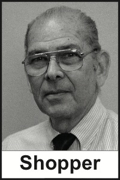
– From “What I learned from the Edenton Little Rascals sex abuse trial” by
Moisy Shopper, M.D. (in the peer-reviewed journal Psychoanalytic Inquiry, 2009)
Dr. Shopper testified as an expert witness for the defense.