Rascals case in brief
In the beginning, in 1989, more than 90 children at the Little Rascals Day Care Center in Edenton, North Carolina, accused a total of 20 adults with 429 instances of sexual abuse over a three-year period. It may have all begun with one parent’s complaint about punishment given her child.
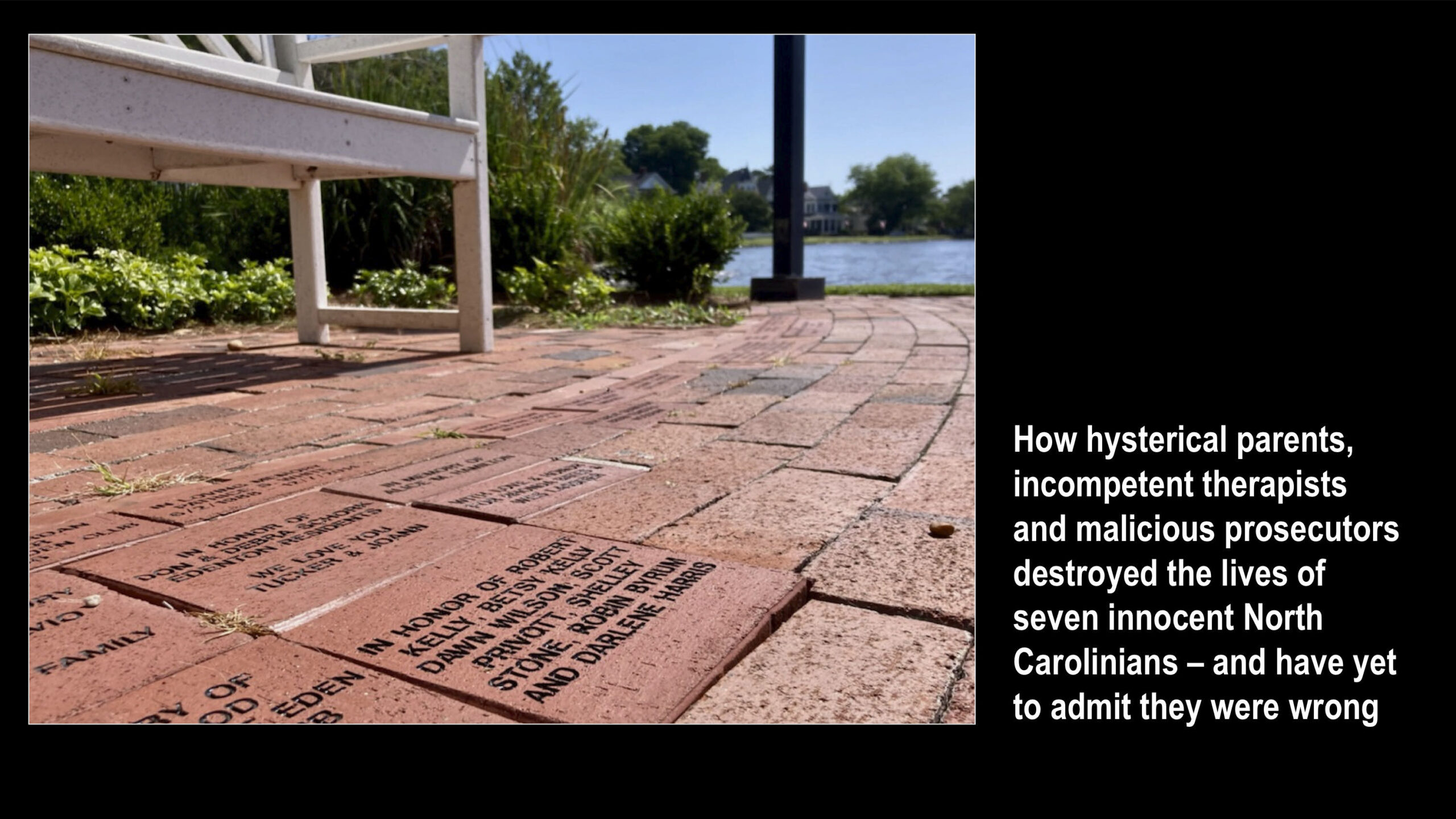
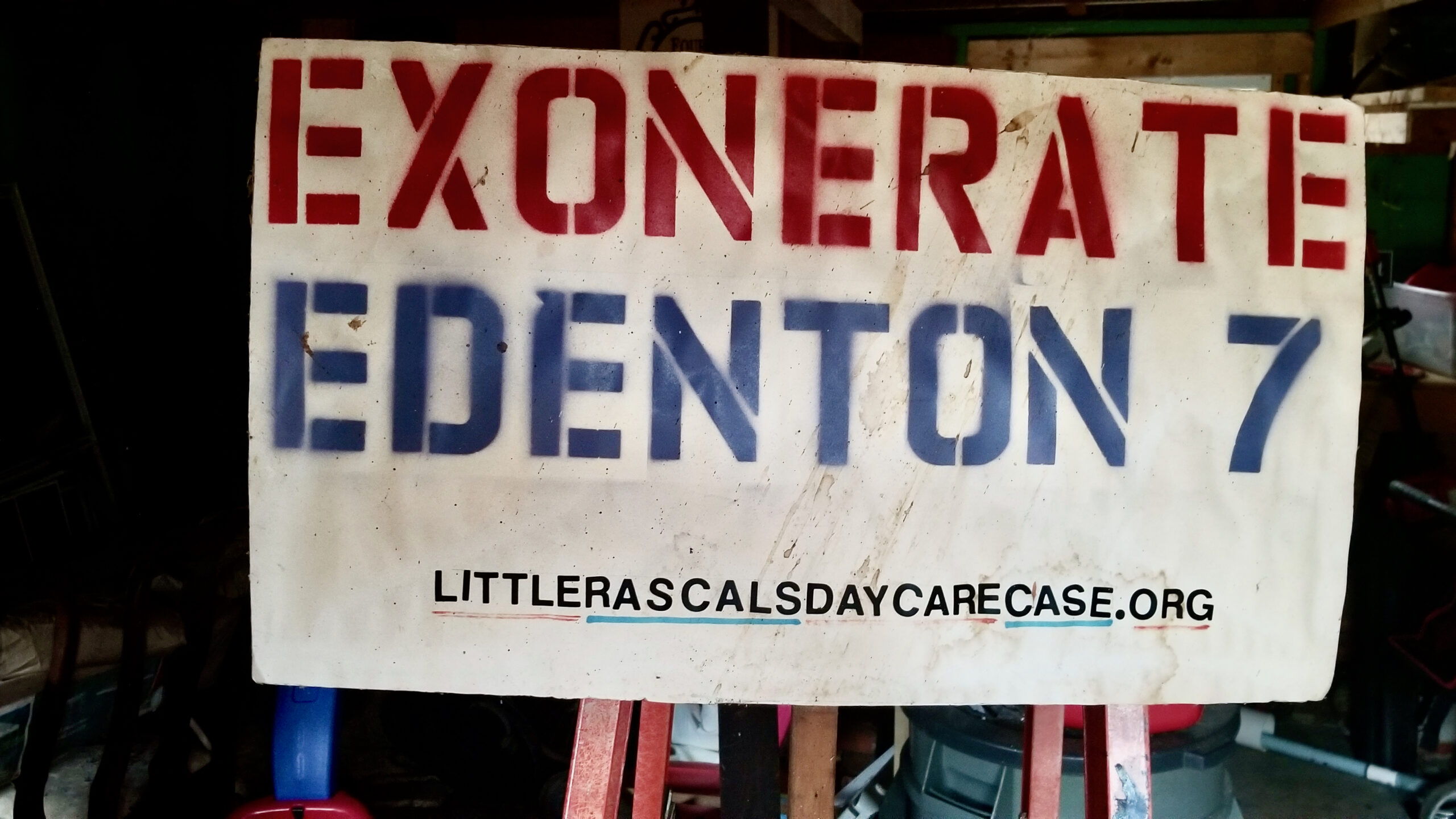
Among the alleged perpetrators: the sheriff and mayor. But prosecutors would charge only Robin Byrum, Darlene Harris, Elizabeth “Betsy” Kelly, Robert “Bob” Kelly, Willard Scott Privott, Shelley Stone and Dawn Wilson – the Edenton 7.
Along with sodomy and beatings, allegations included a baby killed with a handgun, a child being hung upside down from a tree and being set on fire and countless other fantastic incidents involving spaceships, hot air balloons, pirate ships and trained sharks.
By the time prosecutors dropped the last charges in 1997, Little Rascals had become North Carolina’s longest and most costly criminal trial. Prosecutors kept defendants jailed in hopes at least one would turn against their supposed co-conspirators. Remarkably, none did. Another shameful record: Five defendants had to wait longer to face their accusers in court than anyone else in North Carolina history.
Between 1991 and 1997, Ofra Bikel produced three extraordinary episodes on the Little Rascals case for the PBS series “Frontline.” Although “Innocence Lost” did not deter prosecutors, it exposed their tactics and fostered nationwide skepticism and dismay.
With each passing year, the absurdity of the Little Rascals charges has become more obvious. But no admission of error has ever come from prosecutors, police, interviewers or parents. This site is devoted to the issues raised by this case.
On Facebook


Little Rascals Day Care Case
This Facebook page is an offshoot of littlerascalsdaycarecase.org, which addresses the wrongful prosecution of the Edenton Seven and other such victims.

Meanwhile in Edenton....
This content isn't available right now
When this happens, it's usually because the owner only shared it with a small group of people, changed who can see it or it's been deleted.0 CommentsComment on Facebook
Allies for our cause!
This content isn't available right now
When this happens, it's usually because the owner only shared it with a small group of people, changed who can see it or it's been deleted.0 CommentsComment on Facebook
The courts have a long history of capriciously pulling the rug out from under Junior's appeals, but maybe this time....
This content isn't available right now
When this happens, it's usually because the owner only shared it with a small group of people, changed who can see it or it's been deleted.0 CommentsComment on Facebook
Click for earlier Facebook posts archived on this site
Click to go to

Today’s random selection from the Little Rascals Day Care archives….
Panics fade, ‘leaving in their wake bewilderment’
April 8, 2013
“The panic over satanic ritual abuse in the United States… subsided rather abruptly, as panics usually do, whether they are individual or social. They are like an acute anxiety attack – absolutely absorbing while in course and then suddenly gone, leaving in their wake bewilderment, fear of confronting the causes of the panic, and bafflement about what just happened….
“But traces of its presence can be found without much difficulty in the child abuse and neglect (CAN) literature. The panic, and the way CAN personnel had contributed to it, made the field more self-reflective and self-questioning. CAN practitioners had been shocked by the spectacle of their colleagues battling one another in courtrooms… unable to distinguish between real events of abuse and mass hysteria over alleged satanic abuse.”
– From “Childism: Confronting Prejudice Against Children” by Elisabeth Young-Bruehl (2012)
“More self-reflecting and self-questioning” may describe the current generation of child abuse professionals, but those who did such unspeakable damage in the 1980s and ’90s remain wedded to their junk science.
‘Ritual abuse’ claims exempt from retraction?
 Sept. 14, 2015
“Rising retraction rates reflect (in part) the fact that scientists, journalists and amateur watchdogs have begun scrutinizing research more closely….
“This heightened scrutiny – the very scrutiny that likely contributed to the retractions surge in the first place – could help reverse the tide, by providing a powerful disincentive to bad behavior. As more scientific misconduct is exposed and shamed, researchers who were previously tempted to play fast and loose with their data may now think twice.”
– From “A Scientific Look at Bad Science” by Bourree Lam in The Atlantic (September 2015)
“The increase in overall retractions is mostly because a higher percentage of journals have begun issuing retractions…. One reason it’s taken a while… could be that they had to develop the necessary guidelines for defining, detecting and dealing with ‘misconduct’….
“(One) study found that editors are retracting articles significantly faster now than in the past. We might be working our way towards a future in which fraudsters like (Diederik) Stapel won’t build up such massive bodies of literature before being unmasked. Their first or second will be caught, before they’ve done too much damage.”
– From “Scientific Retractions are on the Rise, and That May Be a Good Thing” by Rosie Cima at Priceonomics (June 24)
“Before they’ve done too much damage” – ah, if only that applied to the errant (and still unrepentant) authors and journal editors whose efforts lent credence to the prosecution during the “satanic ritual abuse” moral panic.
Why we could see another Little Rascals case
Oct. 12, 2011
In the digital age more than ever before, no bad idea ever dies. Consider (neo)Nazism, creationism and vaccine-caused autism.
Despite overwhelming evidence to the contrary, ritual sex abuse is still being promoted as a significant national peril.
The possibility of another episode of day-care hysteria – e.g., Little Rascals, McMartin, Fells Acres, Wee Care – has lessened but certainly not vanished. A repeat of history requires only an angry parent or two, an agenda-guided therapist and a fervid prosecutor.
View from UK: ‘Whole culture … has become hysterical’
 Jan. 3, 2015
“Lurid tales of children being sexually abused, of animals being ritually slaughtered and babies being bred for sacrifice, in bizarre black magic ceremonies by cults of devil-worshipping Satanists first surfaced in America in the early 1980s. The allegations of what became known as Satanic ritual abuse soon spread to Britain, Australia and New Zealand in the late 1980s and early 1990s….
“As early as 1994 a UK government-funded investigation concluded there was no evidence Satanic ritual abuse existed. Yet despite the continuing absence of evidence, anywhere in the world, a minority of child care professionals including police officers and social workers, and adult psychotherapists, psychologists and psychiatrists persist in the belief that Satanic ritual abuse exists….”
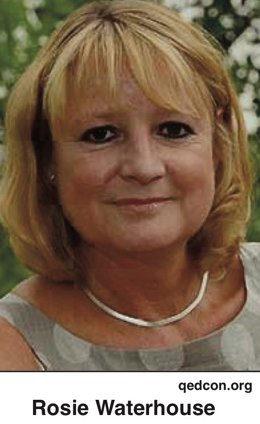
– From a synopsis of remarks by Rosie Waterhouse, a journalist and academic who has been the foremost investigator of supposed “satanic ritual abuse” in Great Britain for the past 24 years
If my Google News feed is any measure, however anecdotal, such British claims may now outnumber those from the States. I asked Dr. Waterhouse to expound:
“There is a hard core of ‘believers’ who continue to spread the myth and very alarmingly seem to have influence among authorities and the media….
“The whole culture now about allegations of child sex abuse – from Satanic to dozens of police and official investigations and inquiries into non-Satanic ‘historic’ allegations, including against high-profile people including celebs and politicians – has become hysterical….
“Setting aside the Satanic abuse allegations – which I believe to be the most spurious, because as far as I am aware there has never been produced any physical, forensic, corroborating evidence, anywhere in the world – the historic non-Satanic allegations which have gone to trial have resulted in some convictions and some acquittals. Of other allegations which have not yet come to court, some may be true. Others I sense are the product of trawls for alleged survivors and witnesses to come forward, often with the prospect of compensation, and are false….
“The tidal wave of allegations is overwhelming. I really am depressed by it all.”