Rascals case in brief
In the beginning, in 1989, more than 90 children at the Little Rascals Day Care Center in Edenton, North Carolina, accused a total of 20 adults with 429 instances of sexual abuse over a three-year period. It may have all begun with one parent’s complaint about punishment given her child.
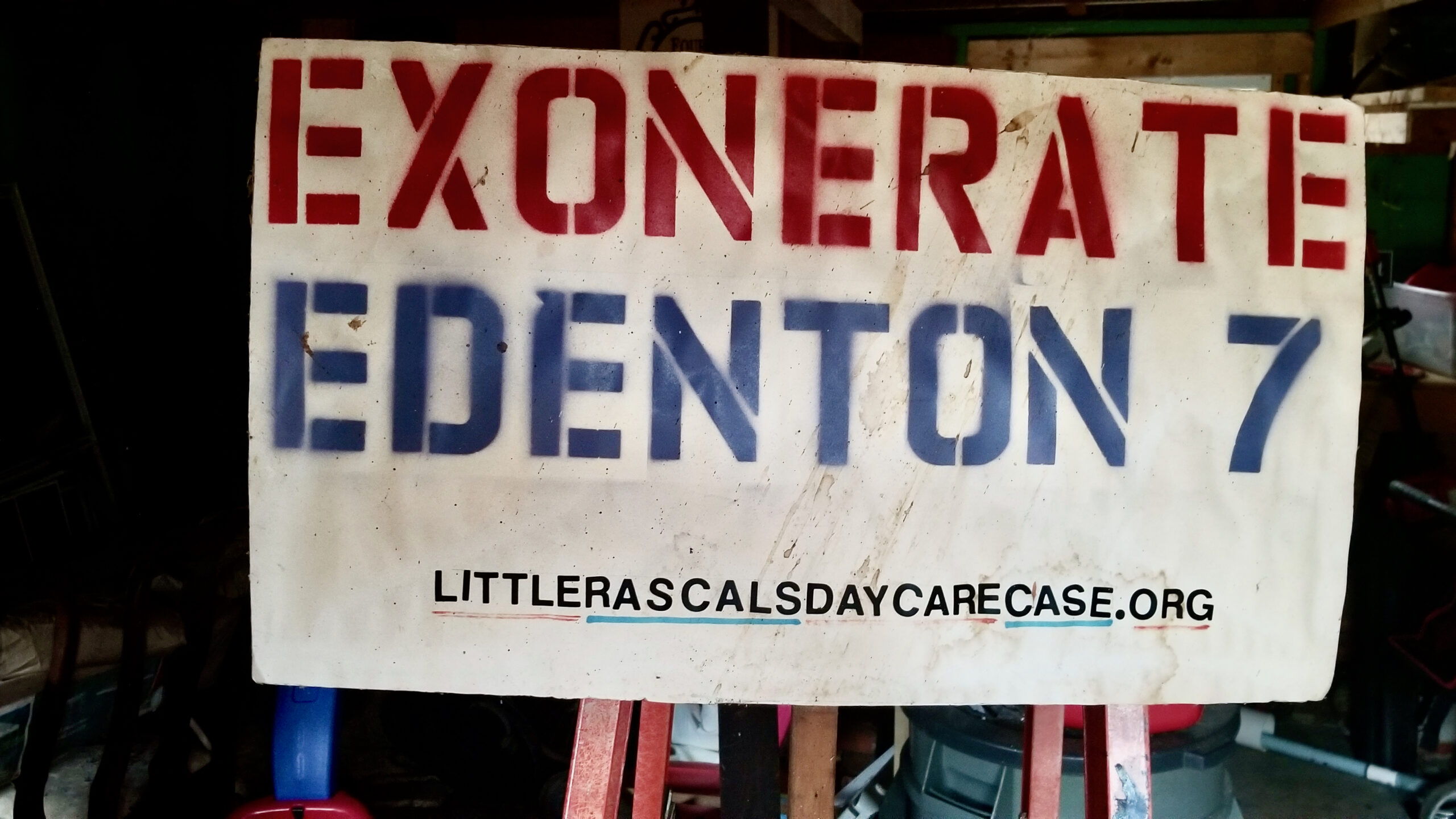
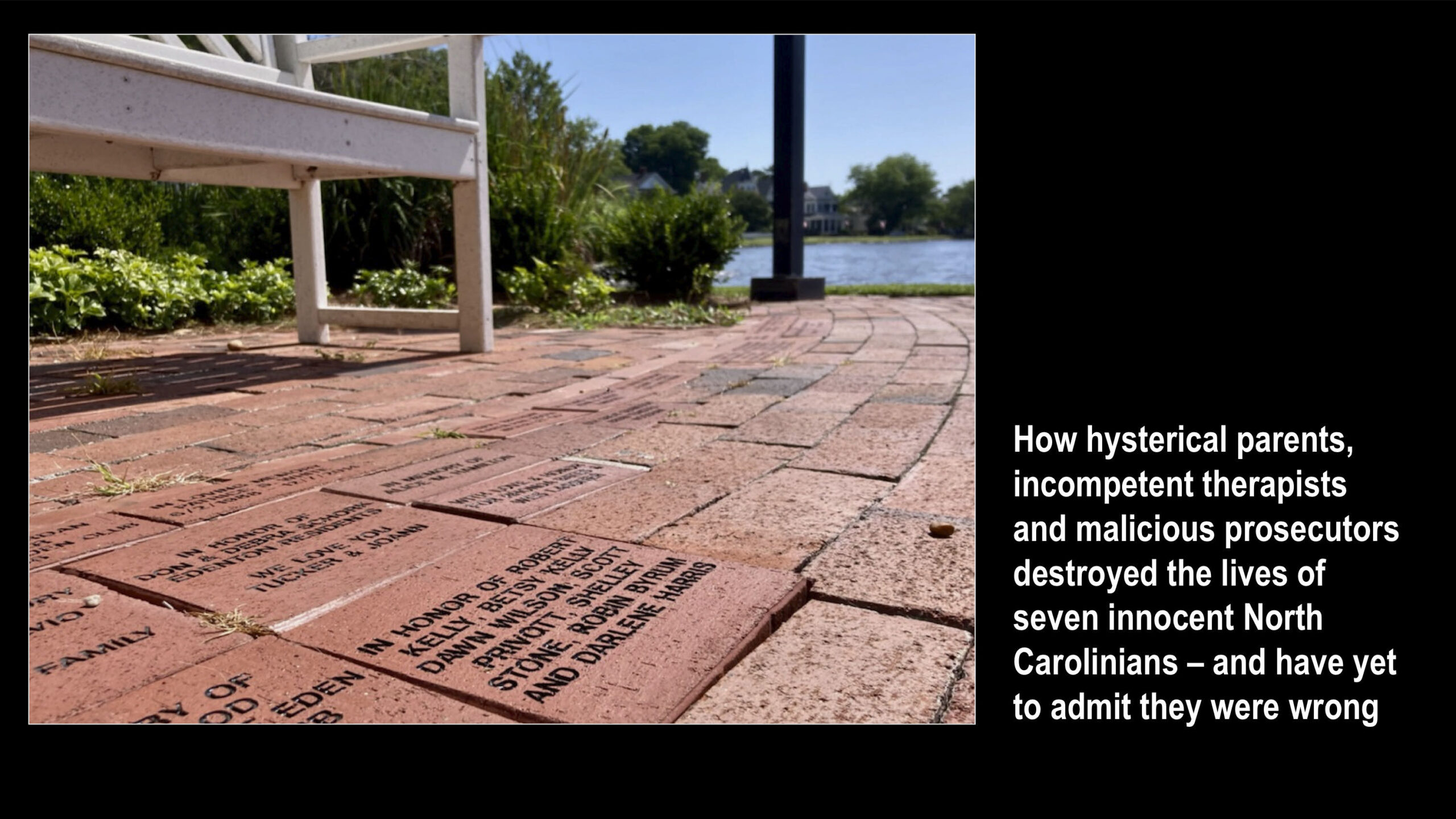
Among the alleged perpetrators: the sheriff and mayor. But prosecutors would charge only Robin Byrum, Darlene Harris, Elizabeth “Betsy” Kelly, Robert “Bob” Kelly, Willard Scott Privott, Shelley Stone and Dawn Wilson – the Edenton 7.
Along with sodomy and beatings, allegations included a baby killed with a handgun, a child being hung upside down from a tree and being set on fire and countless other fantastic incidents involving spaceships, hot air balloons, pirate ships and trained sharks.
By the time prosecutors dropped the last charges in 1997, Little Rascals had become North Carolina’s longest and most costly criminal trial. Prosecutors kept defendants jailed in hopes at least one would turn against their supposed co-conspirators. Remarkably, none did. Another shameful record: Five defendants had to wait longer to face their accusers in court than anyone else in North Carolina history.
Between 1991 and 1997, Ofra Bikel produced three extraordinary episodes on the Little Rascals case for the PBS series “Frontline.” Although “Innocence Lost” did not deter prosecutors, it exposed their tactics and fostered nationwide skepticism and dismay.
With each passing year, the absurdity of the Little Rascals charges has become more obvious. But no admission of error has ever come from prosecutors, police, interviewers or parents. This site is devoted to the issues raised by this case.
On Facebook


Little Rascals Day Care Case
This Facebook page is an offshoot of littlerascalsdaycarecase.org, which addresses the wrongful prosecution of the Edenton Seven and other such victims.

Meanwhile in Edenton....
This content isn't available right now
When this happens, it's usually because the owner only shared it with a small group of people, changed who can see it or it's been deleted.0 CommentsComment on Facebook
Allies for our cause!
This content isn't available right now
When this happens, it's usually because the owner only shared it with a small group of people, changed who can see it or it's been deleted.0 CommentsComment on Facebook
The courts have a long history of capriciously pulling the rug out from under Junior's appeals, but maybe this time....
This content isn't available right now
When this happens, it's usually because the owner only shared it with a small group of people, changed who can see it or it's been deleted.0 CommentsComment on Facebook
Click for earlier Facebook posts archived on this site
Click to go to

Today’s random selection from the Little Rascals Day Care archives….
A funny story about the Little Rascals case (really!)
June 1, 2012
An incident recalled by a former Edenton resident:
“A friend had a son in Little Rascals but wouldn’t let him participate in the ‘hunt.’ She shielded him, as best she could, and didn’t interrogate him.
“Years later, when Bob Kelly was released, she thought it best to tell the son herself. He exploded in anger. Alarmed and filled with trepidation, she asked just what Mr. Bob had done to cause such a reaction.
“The child’s answer: Bob hadn’t let him put ketchup on his peanut butter sandwich.”
In search of a ‘frank and unblinking appraisal’
 Feb. 20, 2014
Following up on the curious case of Richard Noll v. Psychiatric Times, I wrote editor-in-chief James L. Knoll IV to ask about the removal of Dr. Noll’s “satanic ritual abuse” essay from the Psychiatric Times website.
Did the journal plan to address in some fashion the issues raised in Dr.
Noll’s piece? “Unfortunately, I am not at liberty to comment on the situation,” Dr. Knoll replied.
Next I turned to Psychiatric Times’ editorial board, described on the site as “(not) just figureheads with impressive résumés…. They give us their frank and unblinking appraisal of the contents of each and every issue….”
This is from a letter I sent to 22 PT board members:
“I am writing you in response to Dr. Allen Frances’s call for psychiatrists to ‘step forward and do the right thing’ about the profession’s failure to confront the ‘satanic ritual abuse’ claims of the 1980s and early ’90s.
“As you know, Psychiatric Times removed from its website Dr. Richard Noll’s history of the SRA era….
“Dr. Noll concluded by asking: ‘Are we ready now to reopen a discussion on this moral panic? Will both clinicians and historians of psychiatry be willing to be on record? Shall we continue to silence memory, or allow it to speak?’
“How do you, as a member of the Psychiatric Times editorial board, answer these questions?
“Would you now be willing to join with Dr. Frances in formally setting the record straight about SRA and in making amends to the scores of wrongfully prosecuted victims of the moral panic?”
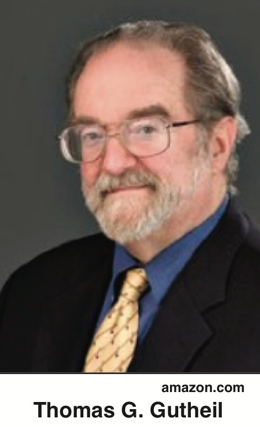
So far I have not been overwhelmed with responses to these questions. In fact, I have received only a single “frank and unblinking appraisal” – from Thomas G. Gutheil, professor of psychiatry, Beth Israel Deaconess Medical Center, Harvard
Medical School.
“I do agree (with Dr. Frances),” he writes. “The 1992 FBI report compiled by Kenneth Lanning should have put an end to this, when he investigated many claimed cases from law enforcement viewpoint and in multiple cases found not a shred of physical evidence, DNA, cells or bloodstains from butchered babies or sacrificed virgins.
“The problem is that social viruses like this are hard to assess and halt, like their biologic counterparts. I agree that individuals, especially in the legal system, should own up to their serious errors and miscarriages of justice, since improved science has blown up many claims, yet some prosecutors (e.g., Martha Coakley in Mass.) have not reversed themselves nor freed the imprisoned.
“However, I am not sure the entire mental health professions should share the blame.”
To be sure, distribution of responsibility among the professions is uneven – the Little Rascals prosecutors called on no psychiatrists at all, only psychologists, off-brand psychotherapists, etc.
What assistant AG ‘found interesting’ about Elle article
 Nov. 26, 2019
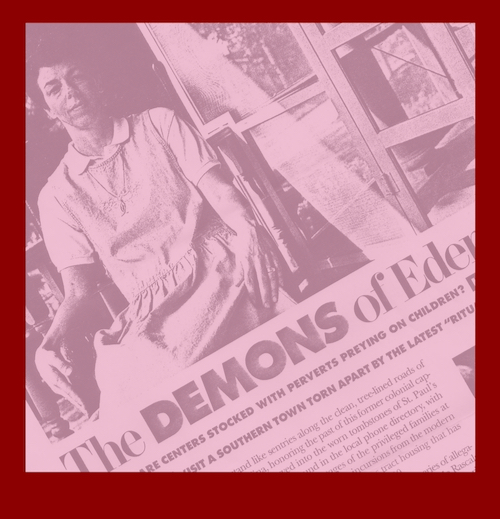
I’ve previously cited here and here Elle magazine’s deeply reported 1993 article on the Little Rascals case. You can read it here.
But I had somehow overlooked this response to Greensboro journalists Edward Cone and Lisa Scheer from assistant attorney general Bill Hart. It has not aged well.
Dear Ed and Lisa,
I have read your recent article in Elle Magazine, “The Demons of Edenton.”
I found it interesting that you chose to leave out the fact that Chris Bean, now a District Court Judge, had initially represented Bob Kelly as his lawyer, until he found out that his son had been abused.
I also found it interesting that you chose not to include the fact that Bob Kelly’s jury had the full benefit of the experience, knowledge, and wisdom of both Maggie Bruck and William Kenner through their testimony at his trial.
Notably absent from your article was any balancing psychological viewpoint to the Bruck/Kenner/Ofshe propaganda. You had access to the testimony of Mark Everson, a psychologist who testified for the state at Bob Kelly’s trial, but did not quote him. You criticized Roland Summit, but did not quote him….
Sincerely,
William P. Hart
Special Deputy Attorney General
I won’t use this post to address all of Hart’s claims, but….
– Chris Bean’s role in the case, far from being culpatory for Bob Kelly, actually provoked stinging criticism from the North Carolina Court of Appeals. “This boils down to the most fundamental questions of fairness,” Judge Gerald Arnold said. “When you have an attorney testifying that ‘I was Mr. Kelly’s attorney and I believed in him very strongly until I learned the truth, that is to say that he’s guilty, and then I was shattered.’ How can there be more prejudicial, stronger evidence put before a jury than to have a former attorney, the defendant’s attorney say that?” Further, Bean was among those parents whom prosecutors inappropriately but persuasively presented as de facto experts on child psychology.
– Mark Everson, UNC psychologist, was tragically influential with a “coherent package” of misconceptions he clung to long after they had been exposed by updated research. And of course there’s his jaw-dropping “where there’s smoke there’s fire” argument….
– Los Angeles psychiatrist Roland Summit, a key player in the McMartin Preschool trial, tried too late to shed responsibility for the many defendants wrongfully convicted by his “child sexual abuse syndrome” theory.
Bill Hart’s letter didn’t mention it, but I have to wonder whether this was the Elle passage that actually got under his skin most annoyingly:
“[Hart] is emotionally involved in the Little Rascals case to a startling degree. Last year he married Patricia Kephart, the mother of a Little Rascals child, who Hart had become romantically involved with during his prosecution of the case. ‘If anything it’s made it more difficult on me,’ he says of his entanglement in the investigation.”
There are huge and obvious problems with Hart’s behavior, but his “difficult” personal consequences don’t rank high on the list.

‘Fear of closets’? Get that child to a therapist!
Oct. 22, 2012
In the Dark Ages of social science – the 1980s, give or take a few years — unfounded concepts were treated as received truth: satanic ritual abuse (later recast as sadistic ritual abuse), multiple personality disorder (later, dissociative identity disorder), repressed memory syndrome.
On what possible grounds did California clinical psychologist Catherine Gould determine that satanic ritual abuse was indicated by a child’s “Refusal to eat red or brown food” or “Fear of closets and small spaces” or “Preoccupation with cleanliness”? Did this crazy quilt of symptoms come to her in a hallucination.
Regardless, Gould’s list, widely photocopied, contributed to parental panics at day cares across the country. After all, she was “a licensed psychologist specializing in the diagnosis and treatment of adult and child victims of ritual abuse”!
So just how reliable an authority was Catherine Gould? Well, it was she who first claimed the Los Angeles County Ritual Abuse Task Force was being poisoned with diazinon.
Later, according to the Associated Press, “She said her blurred vision and failed memory weren’t psychosomatic, but she admitted she never visited a doctor to be tested for the pesticide.”
Refusal to eat red or brown food
Fear that food is poisoned
Bingeing, gorging, vomiting, anorexia
Problems Associated with Doctors
Fear of doctors
Fear of injections, blood tests
Fear of removing clothes
Toiletting/Bathroom Problems
Bathroom avoidance, toileting accidents
Preoccupation with cleanliness
Preoccupation with urine and feces
Ingestion of urine and feces
Family Problems
Fear of death of parents, siblings, pets
Separation anxiety
Avoidance of physical contact
Threatens or attacks parents, siblings
Sexual Problems
Age-inappropriate sexual knowledge
Fear of touch
Excessive masturbation
Sexually provocative behavior
Vaginal or anal pain
Relaxed anal sphincter,enlarged vaginal opening
Venereal disease
Emotional Problems
Rapid mood swings
Resistance to authority
Hyperactivity, poor attention span
Anxiety
Poor self-esteem
Withdrawal
Regression and babyish speech
Flat affect
Nightmares, night terrors
Learning disorders
Fear of closets and small spaces
Fear of being tied up, ties up others
Problems Associated with Colors
Fear of colors red and black
Preoccupation with color black
Problems Associated with Death
Fear of dying, preoccupation with death
Play and Peer Problems
Destroys toys
Death, mutilation, confinement themes in play
Inability to engage in fantasy play
Problems Associated with Supernatural
Fear of ghosts, monsters, witches, devils
Preoccupation with wands, spirits, magic potions, curses, crucifixes
Odd songs and chants
Preoccupation with occult symbols
Fear of attending church
Other Fears and Strange Beliefs
Imaginary friends
Fear of police, strangers, bad people
Fear of violent films
Fear of aggressive animals
Fear of cemeteries, mortuaries, churches
Fear of something foreign inside body, e.g. bomb, devil’s heart
Downloaded Oct. 22, 2012 from http://www.prism.gatech.edu/~kquach6/common.html